


iFixit has published a detailed teardown of the new MacBook Pro with PROLED XDR Display, shedding light on the engineering behind its updated screen and the return of the illuminated Apple logo. The analysis confirms that Apple has successfully reduced the weight of the 14-inch model to 3 pounds (1.38 kg), a significant drop from the 3.4 pounds (1.55 kg) of the previous generation, despite adding a touchscreen and the light-up emblem.
PROLED XDR Display and Weight Reduction
The teardown highlights the tandem OLED technology used in the new display. This design stacks two light-emitting layers to achieve higher brightness levels than standard single-layer OLED panels. Under microscopic examination, iFixit observed that the blue subpixels are physically larger than the red and green ones. The repair experts suggest this design choice helps reduce stress on the materials, which could potentially extend the lifespan of the screen.
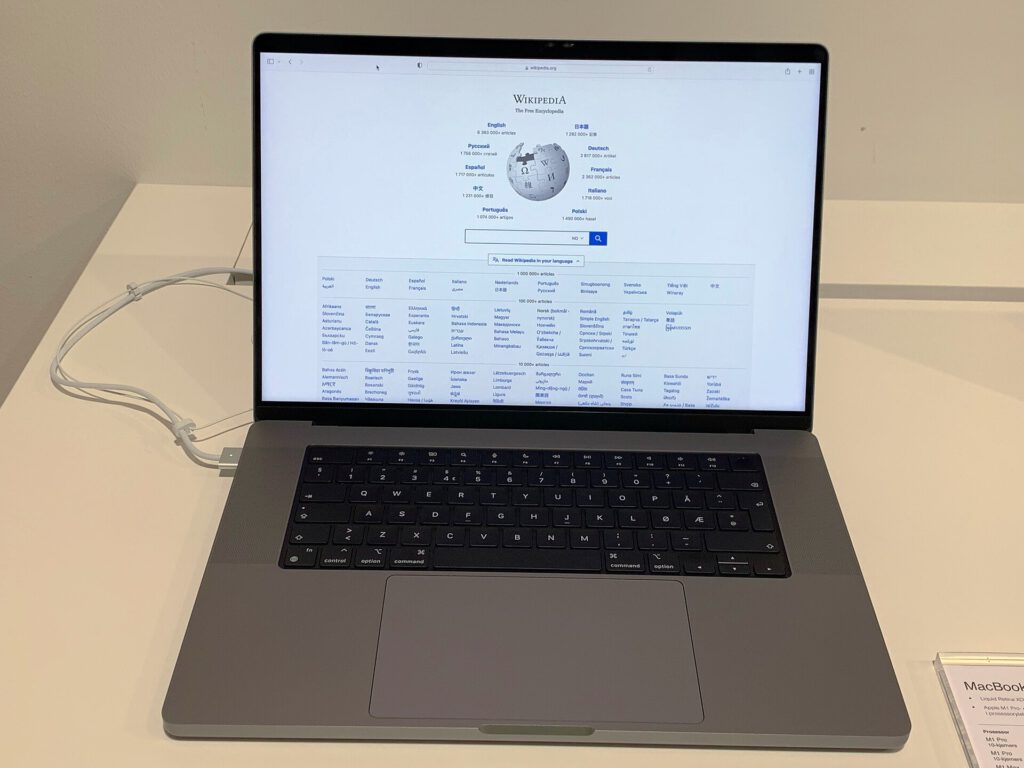
Apple managed to trim 92 grams from the chassis and 101 grams from the display assembly. These savings were achieved even with the addition of touch functionality and the lighting system. The battery itself is only 2 grams lighter, while the slightly smaller trackpad contributed an additional 8 grams in weight reduction.
Illuminated Apple Logo Engineering
Reaching the Apple logo proved difficult for the iFixit team, who ended up destroying the OLED panel during the process. Once they accessed the lid, they found that the logo is lit by a strip of four LEDs. These lights work with a reflective layer and a diffuser to spread the illumination evenly across the emblem.

The logo itself features a two-way mirror coating. This coating gives the Apple symbol a shiny, reflective look when the LEDs are off. When the lights are active, the coating allows the light to pass through, creating the glowing effect. iFixit noted that removing the logo intact is nearly impossible without damaging the surrounding display.
Repairability and Logic Board Swaps
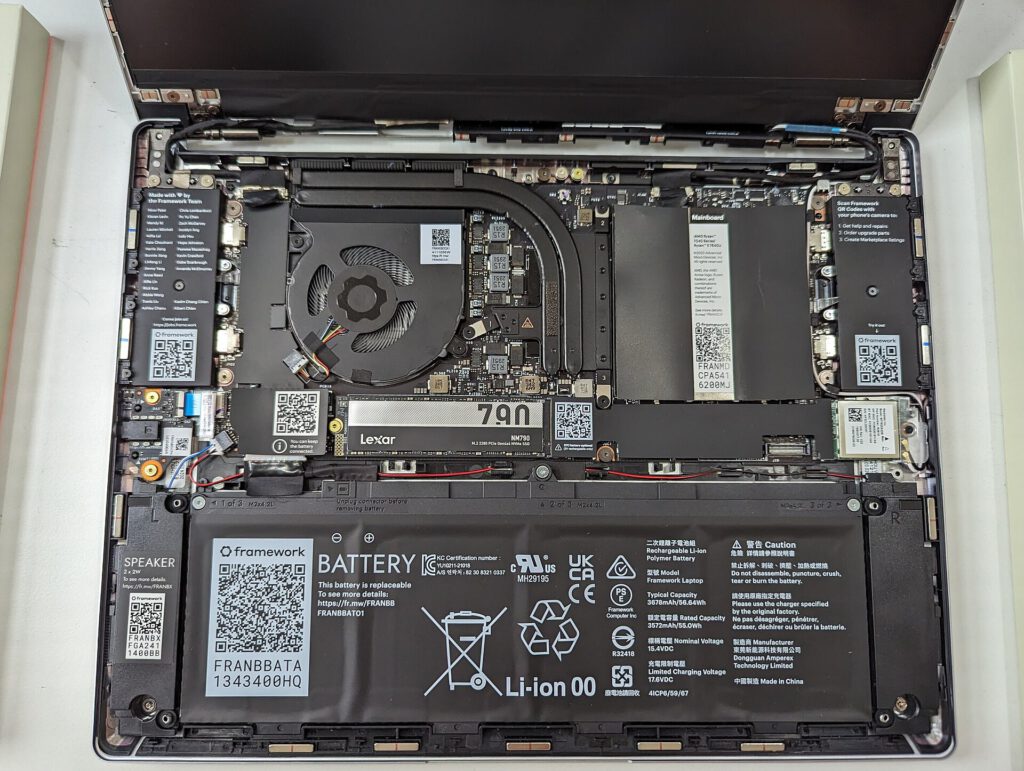
The repairability score for the new MacBook Pro is 5 out of 10. This is one point higher than last year’s M5 model but one point lower than the cheaper MacBook Neo. Several components remain difficult to access. Replacing the USB-C ports, fans, or headphone jack still requires removing the entire logic board, even though these parts are individually replaceable. The HDMI port, SDXC port, RAM, and storage remain soldered directly to the board.
iFixit also tested logic board swaps between two units. Unlike the M5 model from last year, which failed Touch ID calibration through Apple’s Repair Assistant, the new PROLED model successfully recognized the battery, display, and Touch ID sensor after a swap. True Tone, brightness controls, and the touchscreen all functioned as expected. The team was even able to enroll a fingerprint using a donor board from another MacBook Pro with PROLED XDR Display.
Source: 9to5Mac
