


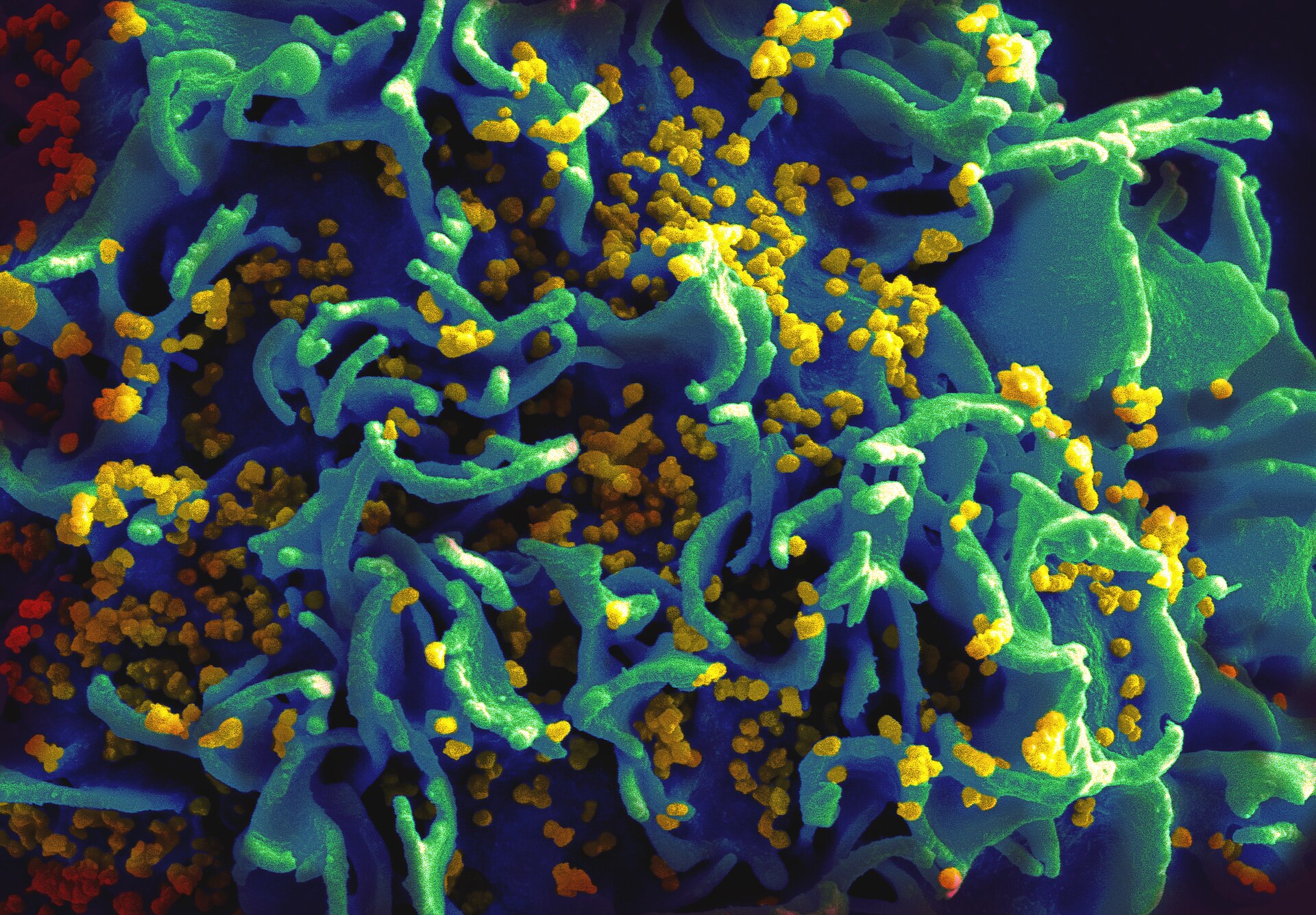
Scientists have identified a new way that tumors evade the immune system by releasing antioxidants to disarm cancer-fighting cells. The research, published in the journal Science, reveals that cancer cells produce a protein called Peroxiredoxin 1 (PRDX1) to neutralize reactive oxygen species. These molecules are essential for activating T cells, the immune cells responsible for identifying and destroying malignant tissue.
The findings challenge the long-held assumption that antioxidants are purely beneficial for preventing cancer. While free radicals can damage cells, small amounts of reactive oxygen species are required to trigger the immune response against tumors. By flooding the tumor environment with PRDX1, cancer cells effectively remove these signals, leaving T cells unable to switch into attack mode.
Tumors Deploy Antioxidant Shields
Researchers from the University of Cambridge and Oregon Health & Science University examined the fluid surrounding cancer cells in mice. They discovered that tumors create a chemical environment that prevents nearby T cells from activating. The primary tool for this suppression is PRDX1, a naturally occurring antioxidant protein released in large quantities by cancer cells.
Without the reactive oxygen species needed to function, T cells become less effective at destroying cancer. The tumors essentially use these antioxidants as a chemical shield, weakening the immune response that would otherwise threaten their survival. This mechanism explains why some tumors resist existing immunotherapies that rely on boosting T cell activity.
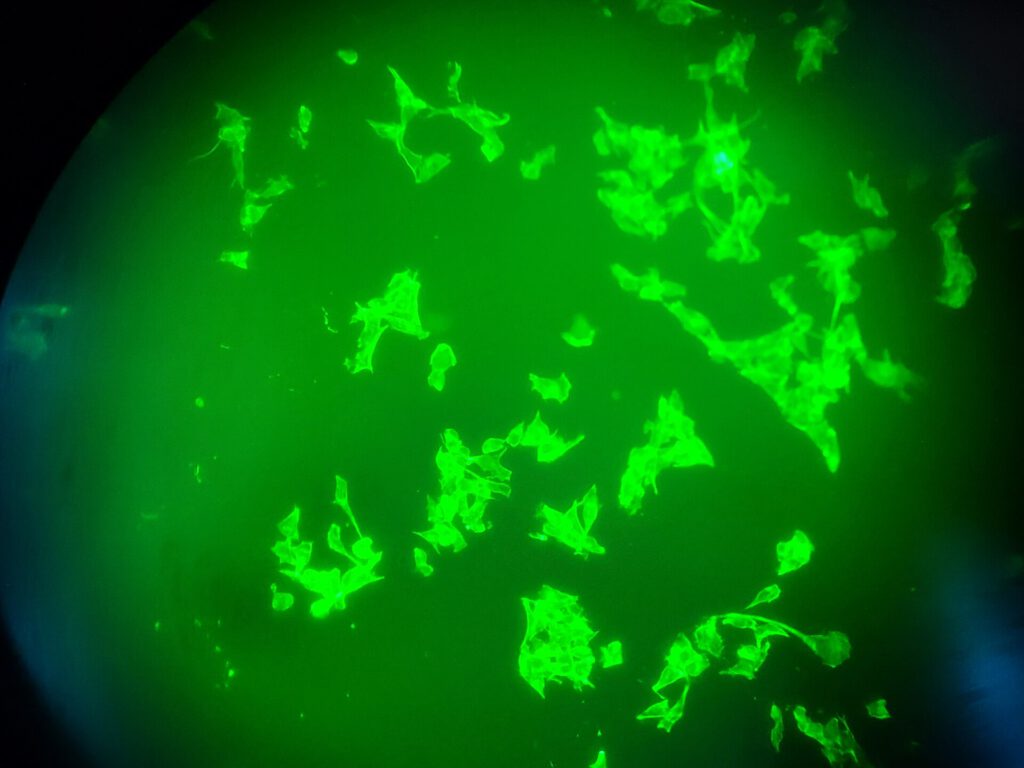
The team confirmed this strategy in human cancers by analyzing data from thousands of tumors and fluid from surgical samples. All evidence pointed to the same conclusion: human cancers also release PRDX1 to eliminate the reactive oxygen species that T cells rely on. This suggests the mechanism is a common feature of cancer immune evasion across different types of malignancies.
Restoring Immune Function Through Gene Editing
To test whether blocking this antioxidant defense could restore immune function, researchers used CRISPR gene editing to modify cancer cells in mice. The edited cells could no longer produce PRDX1. The results showed that without this protein, immune cells became more active and tumor growth was significantly reduced.
The study also explored whether interfering with PRDX1 could improve the effectiveness of current immunotherapies. In experimental models, preventing cancer cells from producing the antioxidant improved their response to treatment. Some tumors that had previously resisted therapy became responsive when the antioxidant defense was disrupted.
Professor Rahul Roychoudhuri from the University of Cambridge noted that the findings identify a promising target for future cancer treatments. He stated that blocking this process allows tumors that do not respond to some immunotherapies to start responding to treatment. This suggests that targeting the PRDX1 pathway could be a viable therapeutic strategy.
The research also raises questions about the use of antioxidant supplements. Large clinical trials have failed to show that antioxidants reduce cancer risk, and in some cases, they have been associated with worse outcomes. The new findings suggest that removing too many reactive oxygen species may unintentionally interfere with the immune system’s ability to recognize and destroy tumors.
Dr. Robert Eil from Oregon Health & Science University suggested that pro-oxidants might be used to boost T cell immunotherapies. Rather than using antioxidants, these agents could kickstart T cells into action against tumor cells. However, the researchers emphasized that these findings are preclinical. The potential treatment strategies have not yet been established as safe or effective in patients.
People living with cancer should not change their diets, supplement use, or medical treatments based on these findings without consulting a healthcare professional. The study was supported by the Medical Research Council, the European Research Council, Wellcome, and the National Institutes of Health/National Cancer Institute.
Source: ScienceDaily
