


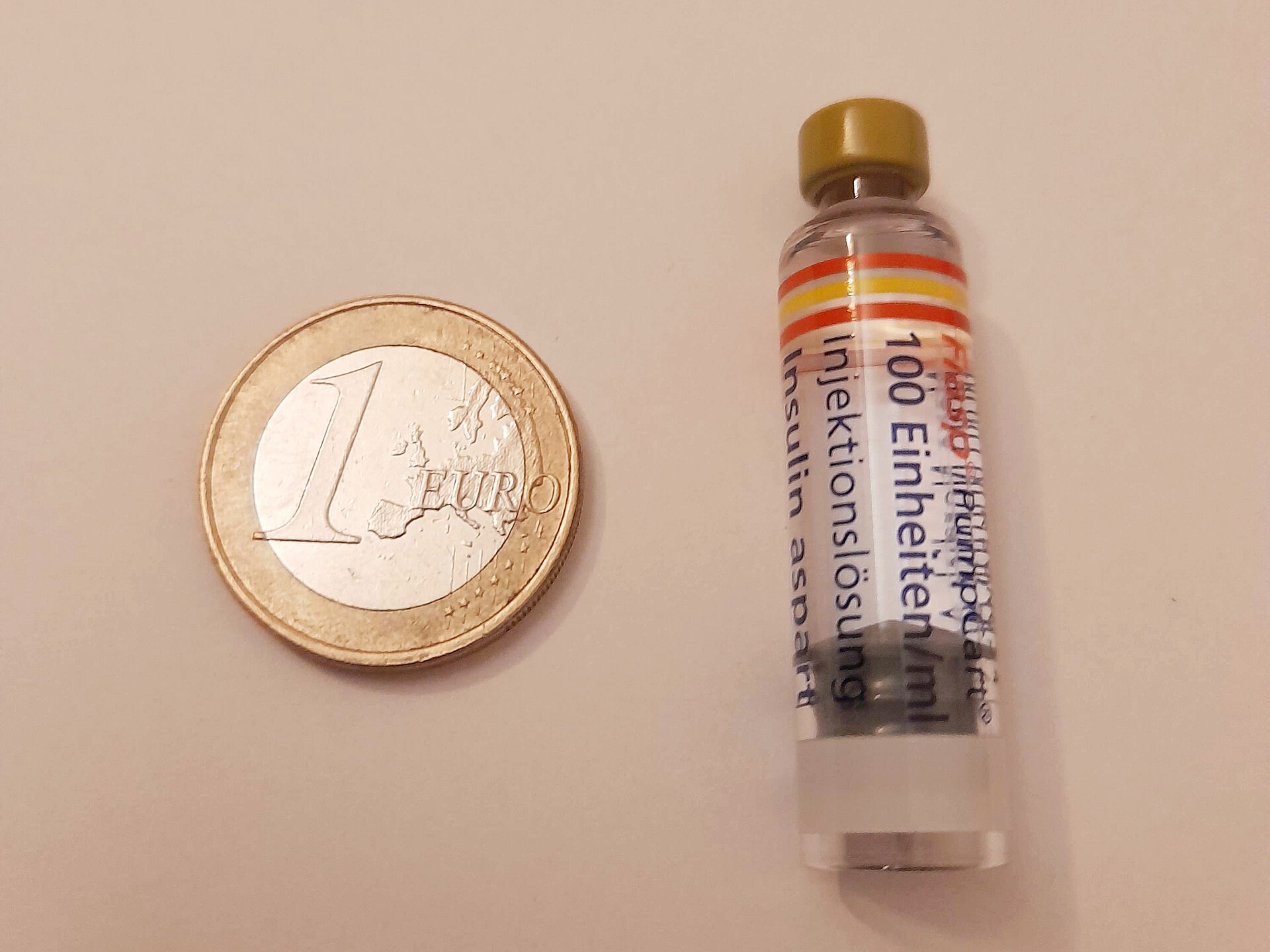
North Dakota has become the latest state to implement a cap on insulin costs, joining a growing national movement to protect patients from soaring drug prices. The legislation limits what patients pay out-of-pocket for the life-saving medication to $25 per month, regardless of their insurance plan or deductible levels.
The law addresses a crisis that has forced many Americans with diabetes to ration their medication, sometimes with fatal consequences. For families like the Kritzbergers of Hillsboro, the financial burden has been a constant source of anxiety alongside the daily management of Type 1 diabetes.
Bipartisan Support in a Red State
The passage of the insulin price cap in North Dakota highlights an unusual political consensus. While Republicans typically favor free-market approaches and Democrats often support government intervention, both parties found common ground on this issue.
State Senator Sean Cleary, a Republican who co-sponsored the legislation, noted that the market for insulin was not functioning properly for patients. He argued that the government had a role in protecting people from excessive drug prices.
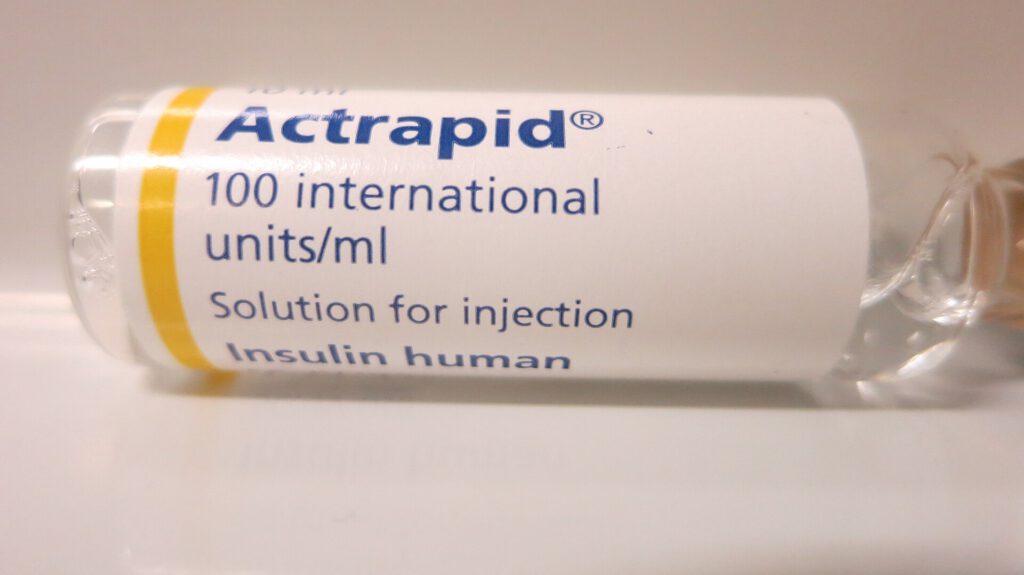
“Typically, Republicans are more on the free-market side of things, Democrats are more supportive of intervening,” Cleary said. “But in this case, I think there was broad-enough agreement that this market just wasn’t functioning for folks.”
The bill passed with overwhelming bipartisan support in the state legislature. This outcome was significant in a state where Democrats hold a small minority in the Senate. State Senator Tim Mathern, one of only five Democrats in the chamber, had struggled for years to find allies for similar measures.
Industry Opposition and Patient Advocacy
Health insurers and business groups opposed the cap, warning that it would lead to higher premiums for all policyholders. Megan Hruby, a lobbyist for Blue Cross Blue Shield of North Dakota, told lawmakers that coverage mandates do not make health insurance more affordable.
Janelle Moos, a lobbyist for AARP, said industry groups tapped into lawmakers’ skepticism about government regulation. Many Republican legislators initially resisted the idea, citing concerns about the role of government in healthcare.
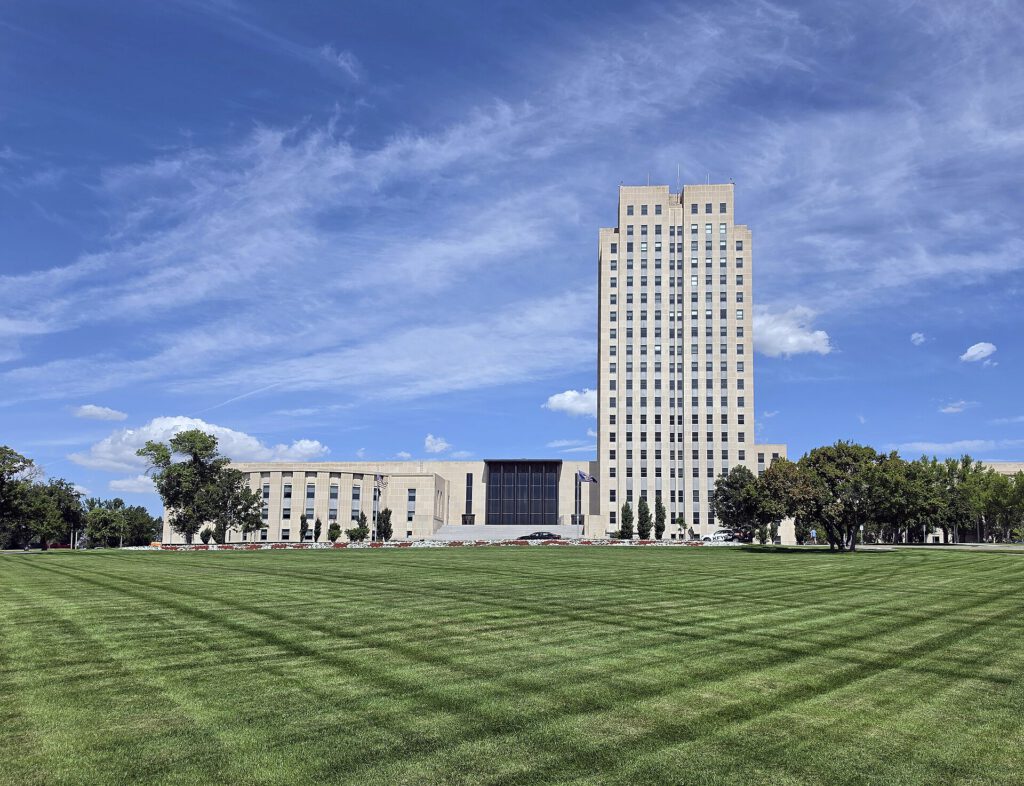
Patient advocates, including the American Diabetes Association, pushed for the cap after years of reports showing that high insulin prices led to dangerous rationing. The Kritzberger family joined other families in driving to the state Capitol in Bismarck to testify in support of the bill.
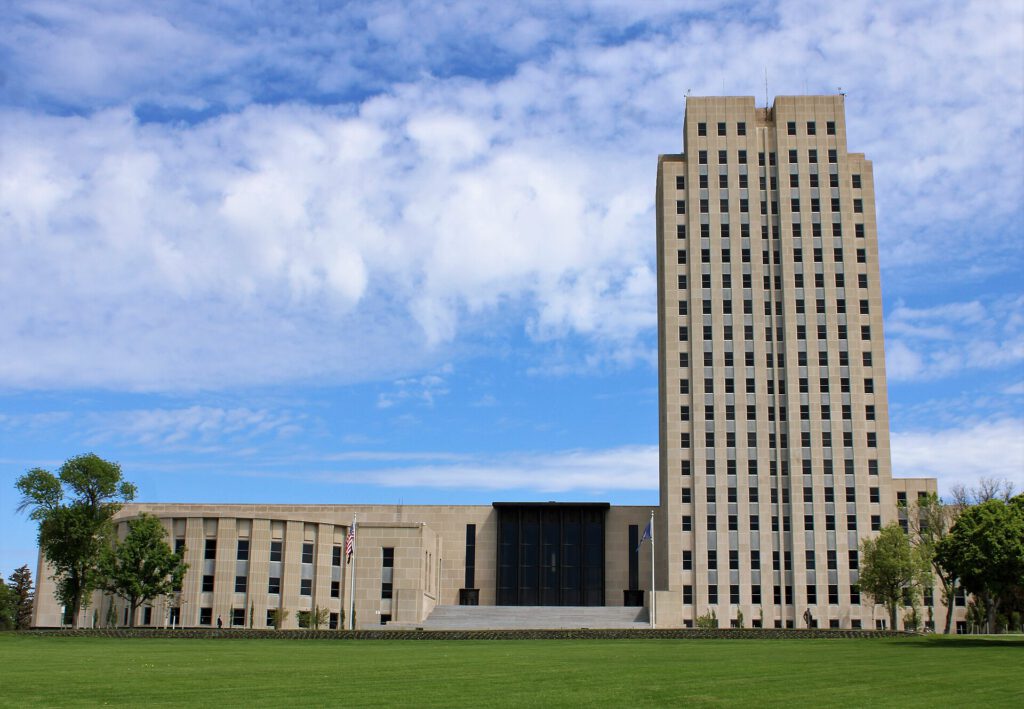
Ang Kritzberger recalled the intimidation of facing multiple industry lobbyists during the hearings. However, supporters of the bill pointed to a previous measure that limited out-of-pocket costs for state employees with diabetes, which had little impact on insurance premiums.
National Context and Future Steps
North Dakota is one of 29 states that have enacted some form of insulin price cap. Colorado was the first to pass such a law in 2019, setting a $100 monthly limit. In 2022, President Joe Biden signed federal legislation capping insulin prices at $35 a month for Medicare enrollees, though efforts to extend this to private insurance failed due to Republican opposition.
Recent data shows that average yearly out-of-pocket costs for people with private insurance have declined to $220 in 2025, down from $470 in 2018. However, families like the Kritzbergers still face significant expenses, paying at least $8,000 annually for drugs, supplies, and medical appointments.
Congress is now considering a national cap on insulin prices. North Dakota Republican Senator Kevin Cramer is among the bipartisan list of co-sponsors for the federal legislation.
For now, the North Dakota law provides immediate relief for patients. Nina Kritzberger, a 17-year-old with Type 1 diabetes, said the cap offers protection from future price hikes and reduces the anxiety of managing her condition.
“I have to make sure I have insulin, a spare pump, a spare Dexcom,” she said. “Oh, what if my pump doesn’t work, or my Dexcom? Then I have to bring a testing kit. What if I go low? I need Gatorade, glucose.”
The Kritzberger family sees the legislative victory as a sign of community connection. Ang Kritzberger noted that neighbors often help each other in rural North Dakota, a spirit that carried over into the political fight for affordable healthcare.
Source: NPR
