


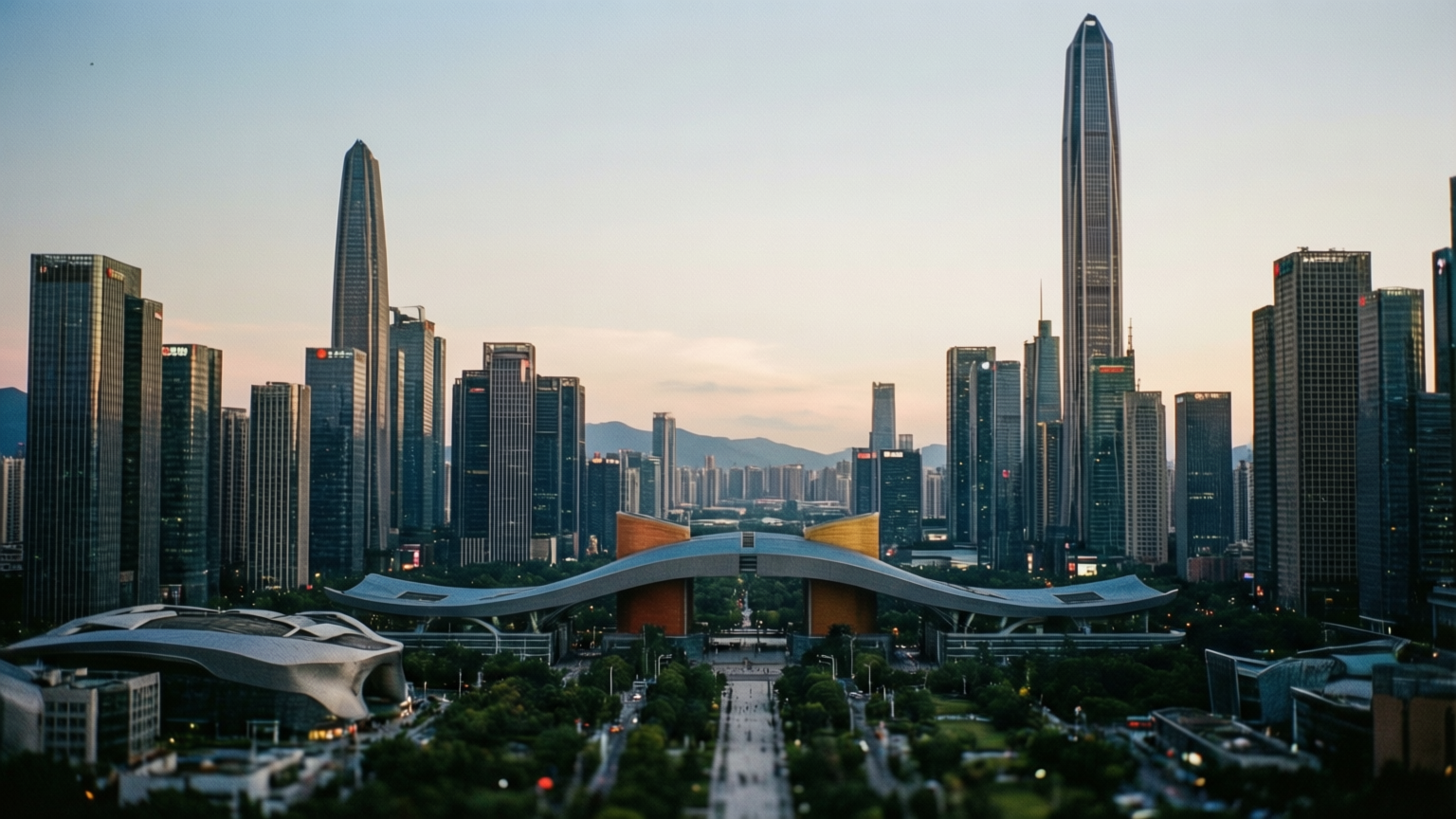
Xi Jinping has secured a historic diplomatic milestone by hosting a trilateral summit with Donald Trump and Vladimir Putin in Shenzhen. The meeting, held on the sidelines of the Asia-Pacific Economic Cooperation (APEC) forum, marks a significant shift in global power dynamics. For decades, Washington and its Western allies shaped the international order, but this gathering places Beijing at the center of conversations reshaping world politics.
China’s Diplomatic Pivot
The futuristic backdrop of Shenzhen, with its driverless cars and robotic displays, served as a stage for this unprecedented gathering. Ostensibly an economic summit for Asia-Pacific leaders, the event also demonstrated China’s grip on the global economy. Xi Jinping is no longer just reacting to decisions made in Washington, London, or Brussels. Instead, Beijing is orchestrating a spectacle that signals its emergence as a primary architect of the new international order.
This diplomatic coup comes as China faces significant domestic challenges. The country is grappling with a property crisis, heavy local government debt, and slowing manufacturing. Youth unemployment remains high, with one in five young people struggling to find work. Xi, who is expected to secure a historic fourth term at next year’s Communist Party Congress, may use this summit as propaganda to counter domestic frustration. The image of flanking two leaders embroiled in ongoing conflicts allows Xi to portray himself as a stable global statesman.
Nuclear Arms and Ukraine Tensions
Despite the grand optics, the summit faces substantial pitfalls. Xi is keen to avoid discussing the war in Ukraine, which has entered its fifth year. Beijing maintains a stance of neutrality, calling for negotiations while avoiding direct condemnation of Russia’s invasion. This delicate balancing act is crucial because the European Union remains a key market for Chinese exports. Xi wants to keep Putin close without letting Russia’s problems become China’s problems.
Another major point of contention is nuclear arms control. Donald Trump has expressed interest in limiting the world’s supply of nuclear weapons, particularly given the expiration of the New START treaty earlier this year. The US and Russia possess the largest stockpiles, but China is rapidly expanding its own arsenal. Beijing has pushed back against being included in any new agreement, arguing that its smaller stockpile makes such limits unfair. This stance complicates Xi’s bid for recognition as a responsible global leader, as the US could argue that true leadership requires accepting constraints on nuclear capabilities.
The unpredictability of Trump and Putin adds another layer of risk. Chinese officials typically prefer carefully choreographed agendas, but both Western leaders have their own plans. Trump has already threatened to go off script, raising the possibility that he and Putin could dominate the conversation. This could leave Xi looking like a host rather than the architect of the moment. However, Xi may be prepared for this scenario, using any unscripted moments to highlight his role as the senior, stable figure among three volatile leaders.
The meeting is unlikely to yield immediate, significant policy outcomes. However, the power it projects is vital for Xi’s domestic political goals. By hosting Trump and Putin, Xi reinforces the narrative that China’s “century of humiliation” is over. The country is no longer just a rising power but a central force shaping the rules of a new era. This diplomatic achievement provides a counterweight to the economic anxieties and social frustrations simmering within China’s borders.
Source: BBC
