


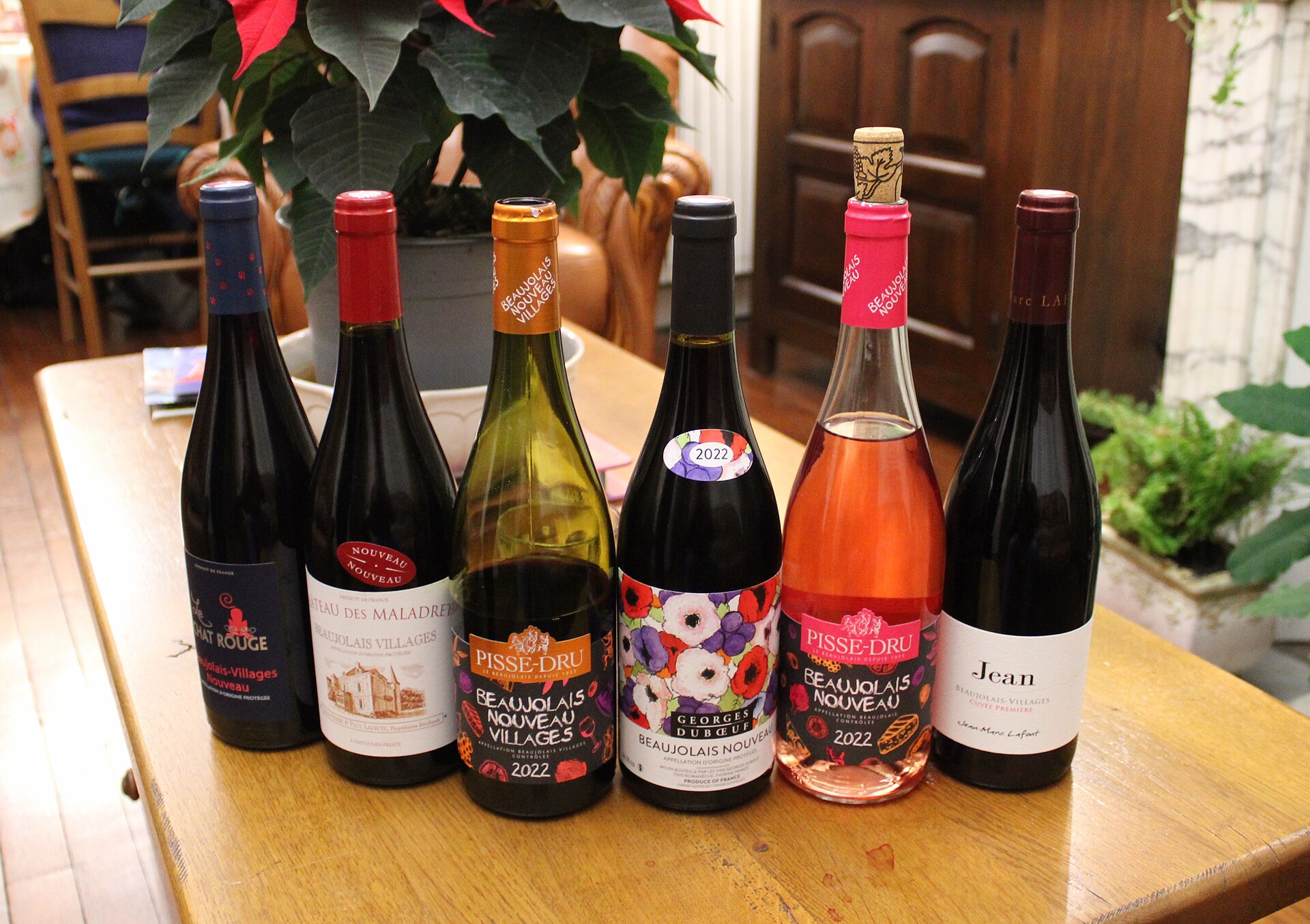
Beaujolais is experiencing a significant renaissance, with the once-maligned beaujolais nouveau gaining ground thanks to the growing fashion for light, chilled, low-tannin red wines. This shift marks a departure from the region’s historical reputation, which was heavily influenced by the casual, cheap quaffing wine released on the third Thursday of every November.
From Abigail’s Party to Modern Palates
The cultural stigma surrounding the wine is deeply embedded in British pop culture. The earliest memory many have of the region is not of drinking it, but of saying it on stage. In Mike Leigh’s play Abigail’s Party, the character Beverley exclaims, “Oh, it’s beaujolais. Fantastic!” Leigh wrote the play during the height of the British craze for beaujolais nouveau, a period that cemented the wine’s image as a low-quality novelty.
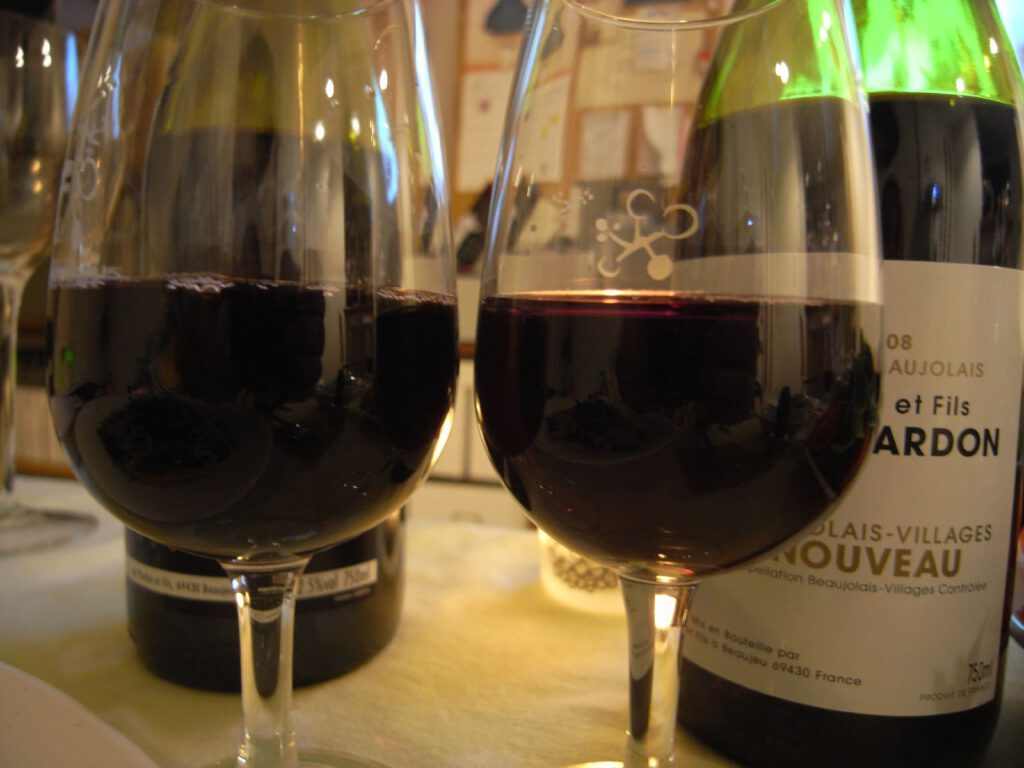
According to The Encyclopedia of Wine, this era was a “self-administered cataclysm” for the region’s reputation. The wine was sold cheaply, creating an image that belied its extraordinary variety and quality. However, the joke is now on those who previously laughed at the idea of chilling red wine. From village crus to fruity nouveau, modern consumers are welcoming a brief chilling, aligning with current tastes for “glou-glou” reds.
The Natural Wine Revolution
The turnaround began in the early 1980s when beaujolais helped birth France’s modern natural wine movement. Four producers, known as the Gang of Four, with Marcel Lapierre being the most famous, believed the region could produce serious, expressive wines from healthy grapes with minimal intervention. They championed semi-carbonic maceration, a process where whole grape bunches ferment in a carbon dioxide-rich atmosphere.
This method produces fresh, perfumed wines that emphasize transparency and allow the nuances of individual vineyards to shine. Rupert Taylor of wine importer Uncharted notes that good nouveaus are pale, delicate little wines. This style chimes perfectly with the current appetite for immediacy rather than complexity or age-worthiness.
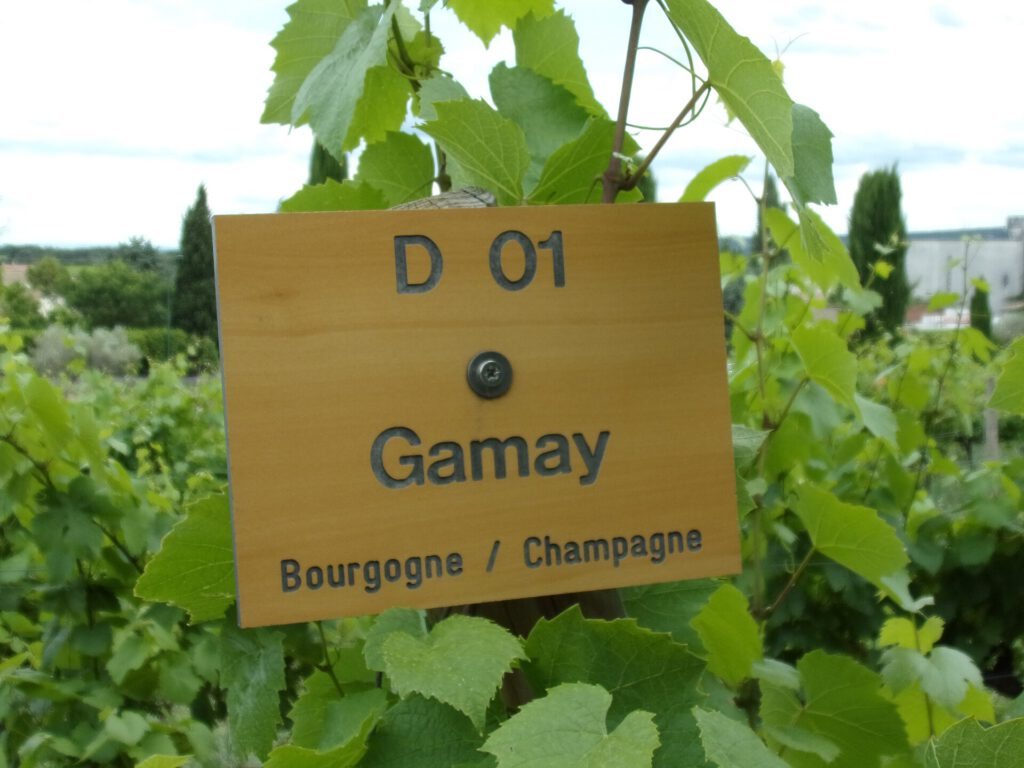
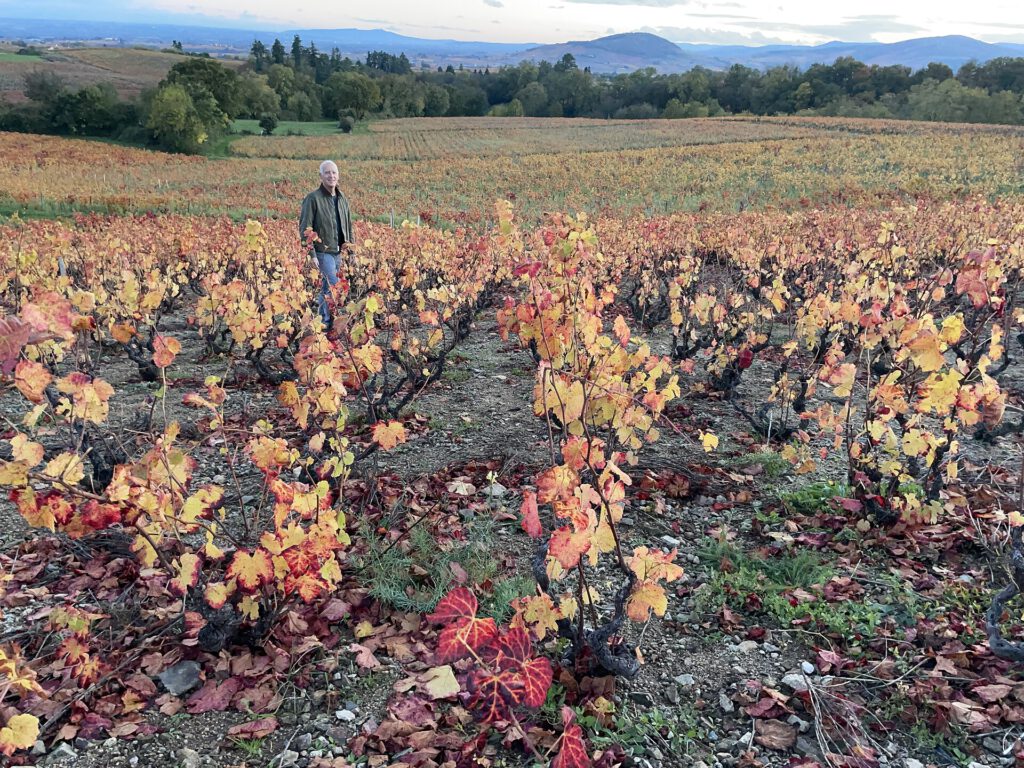
Taylor started Uncharted in 2017 after noticing a new generation of winemakers challenging the region’s image. Some are moving from selling grapes to making their own wine, while others are tackling rising temperatures by planting in previously overlooked, less prestigious vineyards. Today’s picks capture the breadth of modern beaujolais, proving that the region offers much more than its famous village crus like Fleurie, Morgon, and Moulin-à-Vent.
Current Market Selections
The current market reflects this renewed interest in quality and variety. Retailers are stocking a diverse range of options that highlight the region’s potential beyond the November release.
- Domaine Saint-Cyr French Kiss Kanon Bojo Nouveau 2026 is priced at £18.89 from Uncharted Wines. It offers a fruity, fresh profile with a touch of spice, representing a stylish example of nouveau in semi-carbonic glory.
- Beaujolais-Villages Blanc Vielles Vignes Château d’Emeringes 2025 is available for £11.50 at The Wine Society. This white wine gives white burgundy vibes without the high price tag, demonstrating that the region is not solely about reds.
- M&S Maison Riveraine Fleurie is sold for £13 on Ocado. It is a young, great-value example of Beaujolais’ most famous cru, featuring delicate notes of red fruits and violets.
- Marcel Lapierre Les Raisins Gaulois 2025 costs £20.50 at Good Wine Shop. This bright, crunchy introduction comes from young gamay vines and is made by the region’s most celebrated organic domaine.
- Domaine Julien Sunier Morgon 2023 is priced at £24.30 from Vinatis. It is a supple, complex offering from the village cru of Morgon by one of the region’s rising stars.
Beaujolais lies just south of Burgundy in the Auvergne-Rhône-Alpes region. The area features mostly granite-based soils to the north, which are perfectly suited to the red gamay grape for which it is famous. To the south, calcareous soils are used to make more elusive and underappreciated white wines, mostly from chardonnay.
Source: The Guardian
