


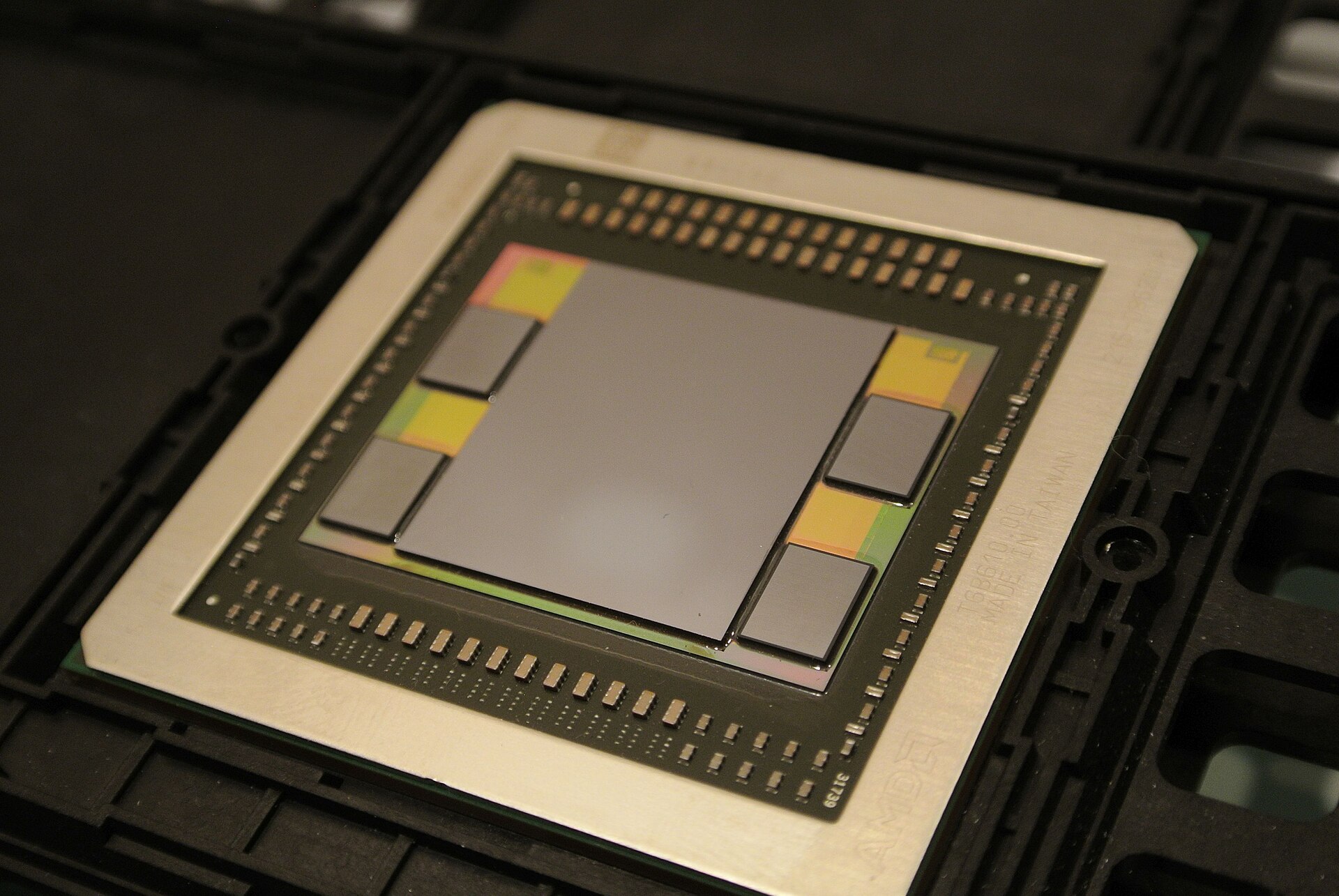
OpenAI has revealed new details about its ongoing collaboration with AMD, stating that its artificial intelligence models assisted the chipmaker in optimizing its upcoming flagship graphics processing unit. The company claims the AI-driven process resulted in a 14 percent improvement in power, performance, and area metrics for the GPU circuitry. This partnership highlights a growing trend of tech giants using large language models to accelerate hardware development cycles.
Accelerated Chip Development Timeline
According to OpenAI, the AI models analyzed and rewrote the SystemVerilog RTL code that describes the chip’s circuits. The firm asserts that these optimization efforts condensed a year’s worth of conventional chip design work into less than five months. This accelerated timeline is described as unprecedented in the semiconductor industry, where design cycles are typically long and resource-intensive.
OpenAI engineers noted that the models were reasoning on the RTL at the level of an expert microarchitect. The company expects to squeeze further PPA improvements in both GPU and CPU designs, building upon the now-improved baseline. While the specific 14 percent gain applies to the GPU, AMD also saw unspecified single-digit PPA gains on its new processors through similar AI-assisted methods.
Testing and Benchmarking Results
To validate the capabilities of its models in chip design, OpenAI researchers tested high-end LLMs on improving PicoRV32 and Ibex chip cores. The models were given 112,000 tokens per run and instructed to optimize for throughput, which combines instructions per clock and clock cycle duration. The testing framework assigned a score of zero if the resulting chips failed to function or used more than 16 times the previous area. A perfect score of 1.0 was awarded for the best designs under the test constraints.

The results showed that GPT-6.2 Astra achieved the lowest overall cost and the highest optimization score. A secondary test revealed that the models provided better results when redesigning chips according to their initial specifications rather than simply optimizing existing code. OpenAI is also working with Synopsys to train GPT-Synopsis, a model specifically designed for using chip design tools.
This collaboration follows OpenAI’s previous work with Broadcom on the Jalapeño chip, an inference-targeted processor. Engineering samples of Jalapeño were running actual workloads as early as June 2026, with test benchmarks showing excellent savings on power draw and latency compared to Nvidia Blackwell GPUs in single-token prediction workloads. The broader rollout of Jalapeño is pinned to 2027.
Source: Tom’s Hardware
