


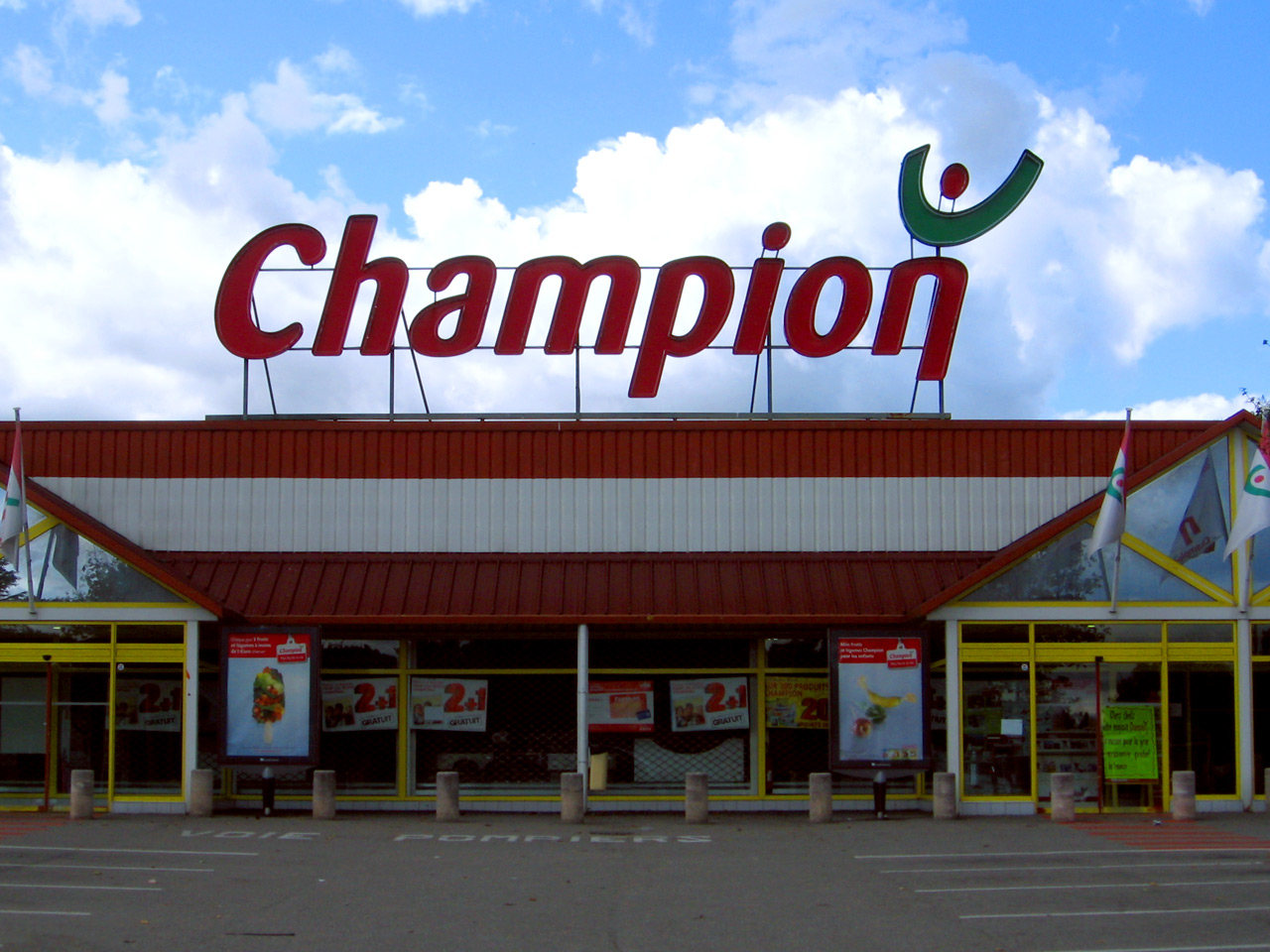
French intelligence agencies have identified an elite Iranian cyber unit as the perpetrator behind a massive sabotage campaign that destroyed millions of euros worth of food across the country. The operation involved hackers remotely cranking up the temperatures in refrigeration systems at hundreds of supermarkets, a brazen attack that left cyber professionals and officials scrambling to understand the motive and the method.
The incident, which occurred in October, represents one of the most unusual and destructive cyber attacks in recent history. While commercial refrigeration systems have been targeted before, the scale of this operation and its location in the heart of Europe marked a distinct shift in tactics. French authorities traced digital fingerprints, including Farsi language markers, to Shahid Kaveh, a hacking group overseen by the Islamic Revolutionary Guard Corps (IRGC).
Shahid Kaveh and the CyberAv3ngers Persona
Shahid Kaveh, named after a commander who died in the 1980s Iran-Iraq war, is well known to Western intelligence. The group frequently operates under the online alias CyberAv3ngers. In previous years, the unit targeted industrial control devices in the United States, specifically those made in Israel, within water and transportation systems. Those earlier intrusions caused minimal operational disruption but served as clear political statements.
The October attack in France, however, resulted in tangible physical damage. By manipulating the Modbus protocol, a digital language used to control industrial machinery, the hackers disabled the cooling systems. French authorities noted that the group had been conducting reconnaissance on these systems since at least April, using a Chinese-made scanning tool to scour the public internet for connected refrigeration units.
Ellie Geranmayeh of the European Council on Foreign Relations stated that Iran has clearly signaled its intent to disrupt the global economy if it feels isolated internationally. The attack is viewed as an effort to sow panic in Europe and increase the global pain threshold for nations that have largely stayed out of the US and Israel’s campaign against Iran.
International Arrest Warrants and Geopolitical Tensions
France is now seeking international arrest warrants for three Iranians allegedly involved in the plot. The individuals include Hamid Reza Lashgarian, who US intelligence believes heads the Guards’ Cyber Electronic Command, and two Shahid Kaveh leaders, Mahdi Lashgarian and Reza Salarvand. Both Lashgarians were already under US sanctions imposed in 2024.
Iran has denied any role in the freezer hacks. However, the sophistication of the operation points to a state-backed effort. Sanam Vakil of Chatham House noted that Iran has a long history of successful cyber operations, learning from past assaults like Stuxnet. The country’s large population of engineers has allowed its cyber units to develop formidable skills in espionage and warfare.
Similar attacks were reported in ten other European countries this month, though no group has claimed responsibility for those incidents. The pattern suggests a coordinated effort to test European resilience. Cynthia Kaiser, a former deputy cyber director at the FBI, observed that the targeting style resembled Russian tactics. She suggested that a third state could have contracted Shahid Kaveh, noting that the ties between Russia and Iran have grown stronger amid their respective conflicts with Western powers.
Regardless of whether the group acted alone or in collaboration, the decision to deploy such a cyber weapon requires high-level authorization. Gil Messing of Check Point Software explained that cyber capabilities have a limited shelf life. Once a vulnerability is exploited, it is quickly patched. Burning out this specific capability to cause physical damage sends a strong message, even if the attack itself is not technically sophisticated.
Source: Ars Technica
