


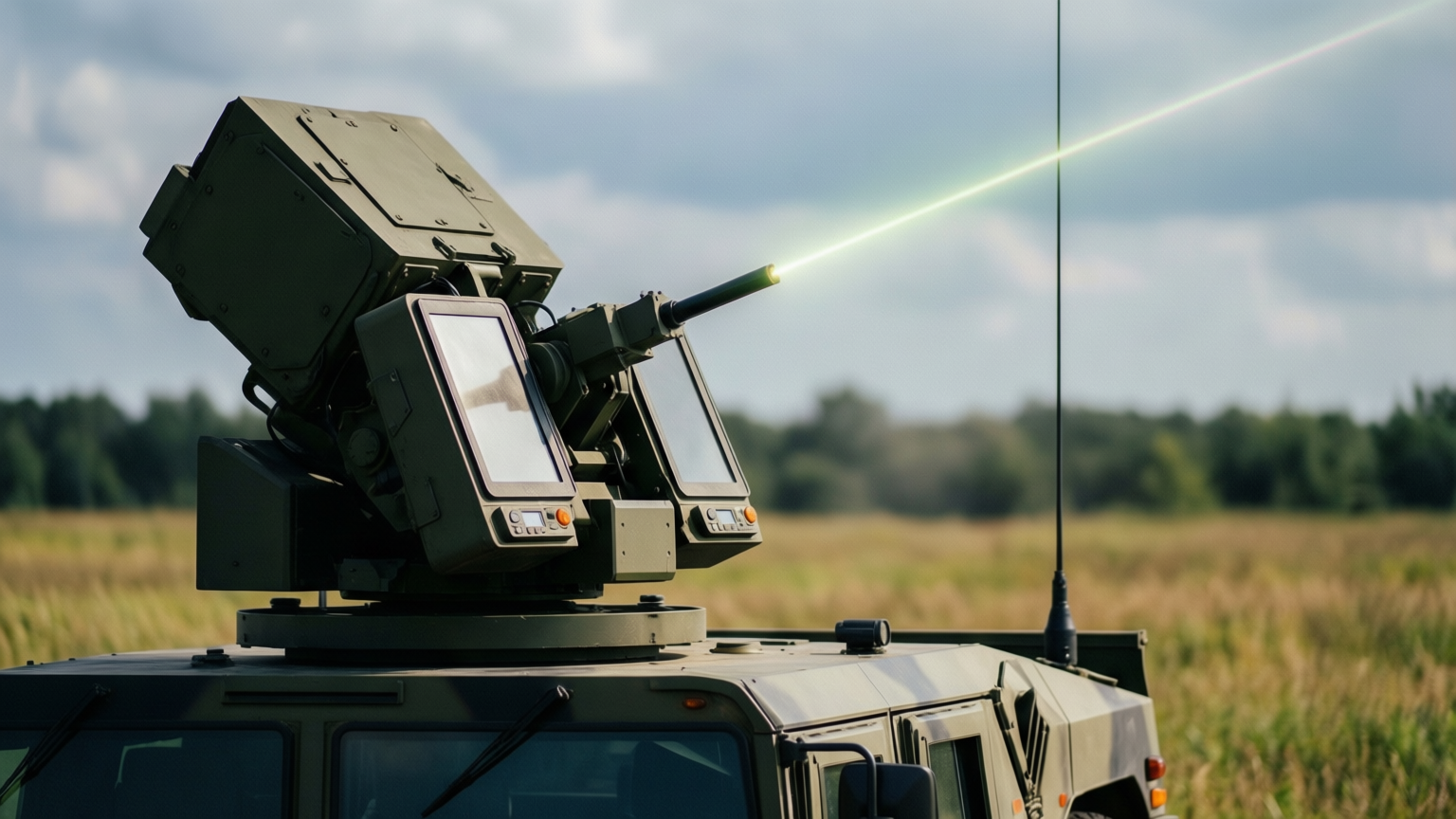
Ukraine has announced that its Blysk laser system successfully intercepted a Russian jet-powered drone during active combat, according to Al Jazeera. The event marks the first reported instance of such a system being used against aerial targets in a war zone.
Blysk System Intercepts Jet-Powered Drone
The Ukrainian military identified the target as a jet-powered drone launched by Russian forces. The Blysk system, a directed energy weapon, engaged and destroyed the incoming threat. This engagement represents a significant shift in the tactics used to counter aerial attacks, moving from traditional kinetic interceptors to high-energy laser beams.
While the specific location of the interception was not detailed in the initial report, the confirmation of the event highlights the operational status of the Blysk platform. The system is designed to provide a cost-effective and rapid-response method for neutralizing drones, which have become a primary tool for Russian forces in the ongoing conflict.
First of Its Kind in Combat
The claim of a “world first” underscores the novelty of using directed energy weapons in active warfare. Previous uses of laser technology in military contexts have largely been limited to testing, defensive systems against missiles, or non-combat scenarios. This incident places Ukraine at the forefront of integrating laser defense into frontline operations.
The Blysk system is part of Ukraine’s broader efforts to adapt to the drone-heavy nature of the current conflict. Traditional anti-aircraft missiles are expensive and limited in supply, whereas lasers can theoretically fire as long as they have power, offering a sustainable solution to the high volume of drone attacks.
The successful interception demonstrates the viability of laser technology in real-world conditions. It suggests that directed energy weapons can operate effectively against fast-moving aerial targets, a challenge that has previously limited their practical application in combat.
As the conflict continues, the deployment of such advanced technology may influence future military strategies. The ability to neutralize drones with precision and speed could reduce the impact of aerial assaults and protect ground forces from persistent threats.
Source: Al Jazeera
