


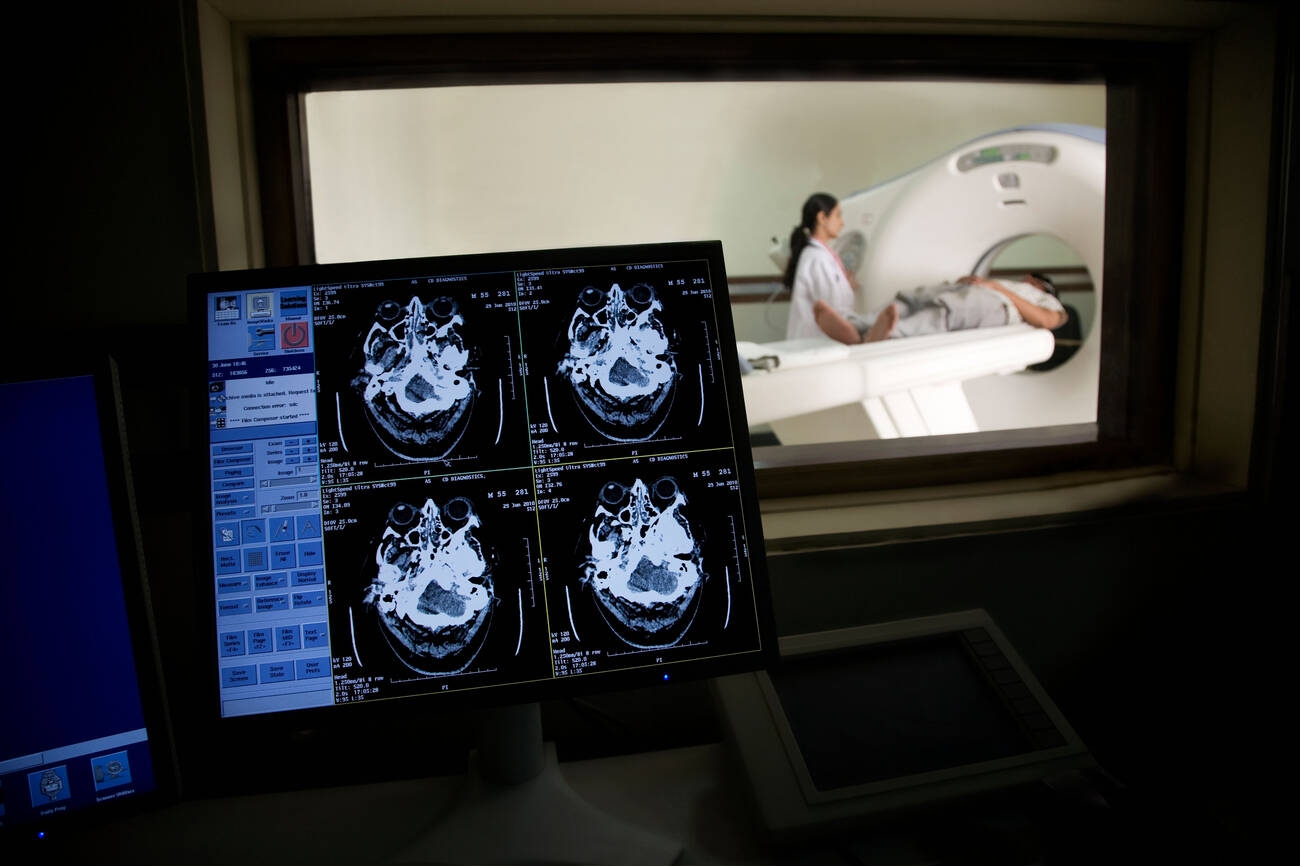
The long-held belief that dementia is an unavoidable accident of genetics or luck is being replaced by evidence showing that lifestyle changes can significantly lower risk. A growing body of research indicates that sustained daily habits play a major role in protecting brain health as people age.
In 2024, the Lancet Commission, an international panel of experts, identified 14 modifiable risk factors for dementia. They estimated that approximately 45% of dementia cases could be prevented or delayed through intervention. This aligns with findings from the U.S. POINTER clinical trial, which found that older adults at risk of cognitive decline could protect their thinking and memory by combining physical activity, healthy eating, cognitive exercises, and social engagement.
Understanding the Brain Care Score
To help individuals understand where to start, a free online tool called the Brain Care Score has been developed. Created by Jonathan Rosand, a neurologist at Massachusetts General Hospital, and his colleagues, the tool is now supported by the Global Brain Care Coalition. The score is designed to be taken by friends and family members, making it a practical resource for holiday gatherings or casual conversations about health.
The Brain Care Score covers 12 specific factors across three areas. The higher the score, the lower the risk of future brain diseases, including dementia, stroke, and depression. Rosand explains that the tool is not meant to label risk but to provide options. It shows how small changes made today can matter years from now.
“The Brain Care Score tells you how to reduce your risk of brain diseases in the future, especially dementia, stroke and depression,” Rosand says. “And it tells you what you can do to live a longer, more flourishing life.”
Key Factors and Physical Health
One of the most critical components of the score involves knowing your physical health numbers. High blood pressure is often viewed as a heart issue, but it is a major risk factor for dementia. Rosand notes that higher blood pressure puts more stress on blood vessels, causing them to break down over time. This breakdown increases the likelihood of blockages or ruptures, which can lead to stroke and dementia.
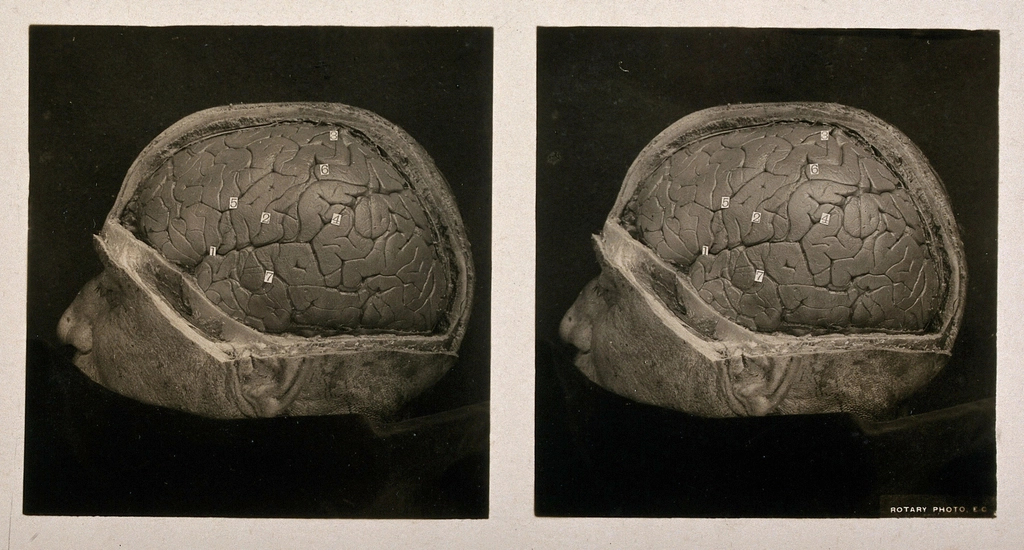
The first step in calculating the score is to determine your blood pressure, blood sugar (measured as A1c), cholesterol, and body weight. These numbers can be obtained through a healthcare provider, a patient portal, or a pharmacy blood pressure cuff. If medication has been prescribed for high blood pressure, taking it is considered one of the most important actions for reducing risk.
Analysis of real-world data from thousands of adults shows that each one-point improvement in the Brain Care Score is linked to up to a 4% lower risk of dementia, stroke, or late-life depression. Researchers emphasize that it is never too late to start. Even people who change their habits later in life can benefit from these adjustments.
Social Connection and Purpose
While physical metrics are essential, the score also places significant value on relationships and purpose. A 2025 study found that people with a higher sense of purpose were about 28% less likely to develop cognitive impairment. This suggests that activities such as joining a class or volunteering can be considered a form of brain care.
Healthy habits often multiply when one change leads to another. For example, better sleep can make it easier to exercise and eat well. The tool allows users to retake the quiz over time to track progress. Sharing the score with family and friends can help make healthy habits contagious, turning individual efforts into a collective strategy for better cognitive health.
NPR does not offer or accept money for coverage or interviews. Anyone who makes such an offer or request is not an NPR employee and does not represent NPR.
Source: NPR
