


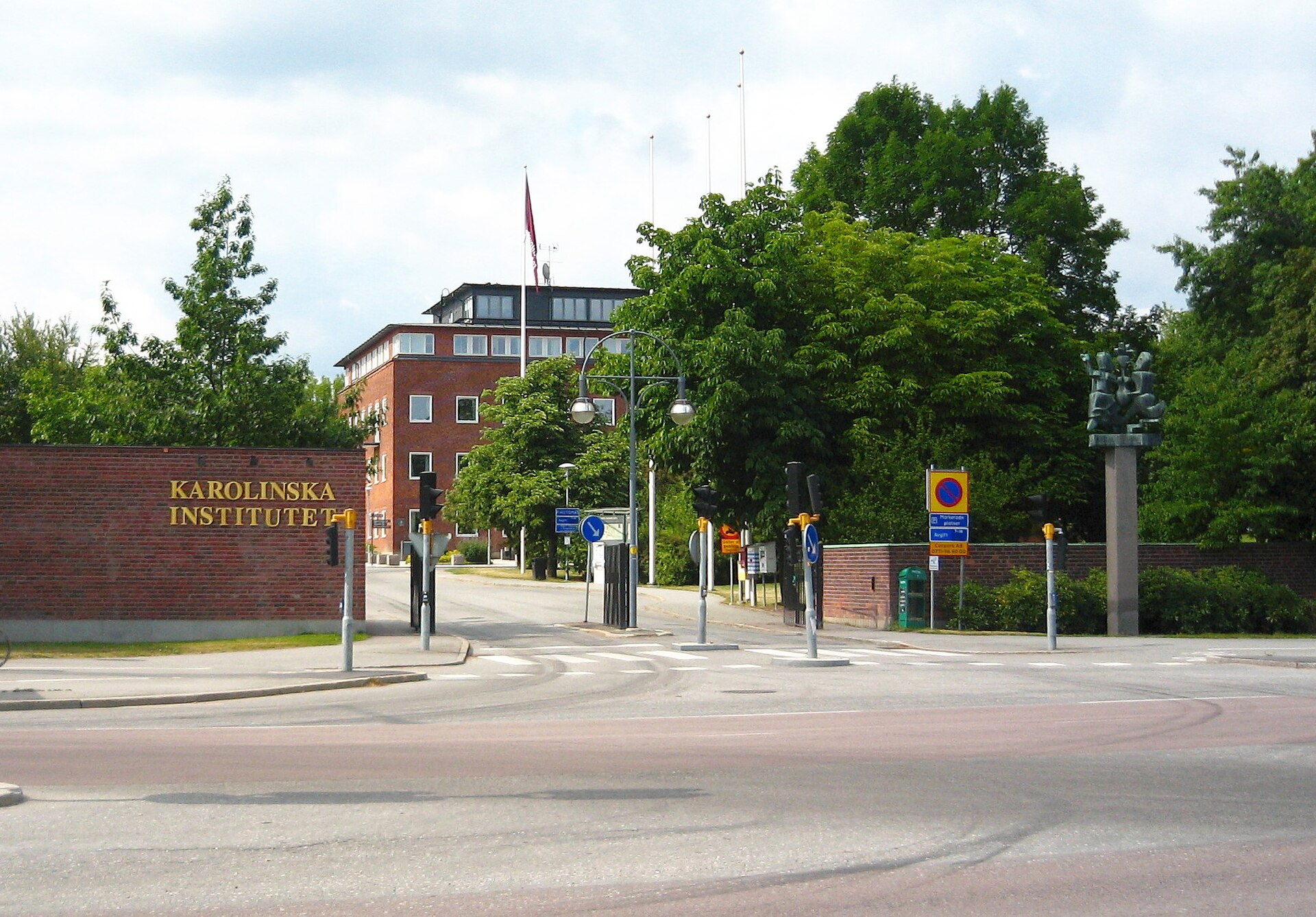
A single dose of psilocybin, the psychoactive compound found in magic mushrooms, began easing depression symptoms within just two days in a new clinical trial. The findings come from researchers at Karolinska Institutet, who conducted Sweden’s first randomized, double-blind study of the substance as a treatment for depression. Benefits persisted for more than three months for a significant portion of participants.
Rapid Symptom Reduction in Clinical Trial
Depression remains a major public health challenge, with selective serotonin reuptake inhibitors (SSRIs) serving as the standard medication. Many patients experience little improvement from SSRIs, and those who do benefit often wait several weeks for results. Side effects are also common with conventional treatments.
The phase 2 clinical trial, published in JAMA Network Open, enrolled 35 adults aged 20 to 65 with recurring episodes of moderate to severe depression. Participants were randomly assigned to receive either a single 25 mg dose of psilocybin or niacin, a vitamin used as an active placebo because it produces noticeable physical sensations.
All participants received psychological support during five sessions scheduled before, during, and after treatment. On the day of dosing, participants lay down, wore eye masks, and listened to music while focusing on their inner experiences.
Researchers measured depression severity using the Montgomery-Asberg Depression Rating Scale (MADRS). Physicians who did not know which treatment participants received conducted assessments at eight, 15, 42, and 365 days after dosing. To qualify for the trial, participants had to score at least 22 points on the scale, which ranges from 0 to 60.
By day eight, depression scores had fallen by an average of 9.7 points in the psilocybin group, compared to 2.4 points in the placebo group. This 7.3-point difference was statistically significant and clinically meaningful. Self-assessments revealed that antidepressant benefits emerged as early as the second day after treatment and remained significant for slightly more than three months.
Remission Rates and Long-Term Uncertainty
Six weeks after treatment, 53% of participants who received psilocybin were in remission from depression. In comparison, only 6% of those in the placebo group achieved remission. At the one-year assessment, 53% of the psilocybin group remained in remission. However, many participants who originally received the placebo had also recovered by that time, and researchers could no longer establish a significant difference between the two groups.
Hampus Yngwe, a consultant psychiatrist and PhD student at Karolinska Institutet, stated that the results suggest psilocybin can provide rapid, clinically meaningful improvement in depression. He noted that it may serve as an alternative to standard treatment when fast symptom reduction is important. However, he emphasized that long-term effects are uncertain and repeated treatments may be needed to prevent relapse.
Overall, participants tolerated the treatment well. Most adverse effects were mild or moderate and resolved quickly. Two people in the psilocybin group experienced severe anxiety that persisted and required medical attention. Johan Lundberg, a professor at the Department of Clinical Neuroscience, warned that the treatment is not risk-free and some patients may need extra support.
One challenge in psychedelic research is maintaining blinding. Psychedelic substances produce intense experiences, making it difficult to keep participants unaware of their treatment. In this trial, nearly all participants correctly guessed whether they had received psilocybin or the placebo. Researchers acknowledged this may have affected the findings and plan to study how treatment expectations influence results.
The research team will next examine data from positron emission tomography (PET) scans, along with blood and cerebrospinal fluid samples collected before and after treatment. The goal is to understand the biological changes that may explain psilocybin’s antidepressant effects, particularly regarding synaptic growth in the brain.
Source: ScienceDaily
