


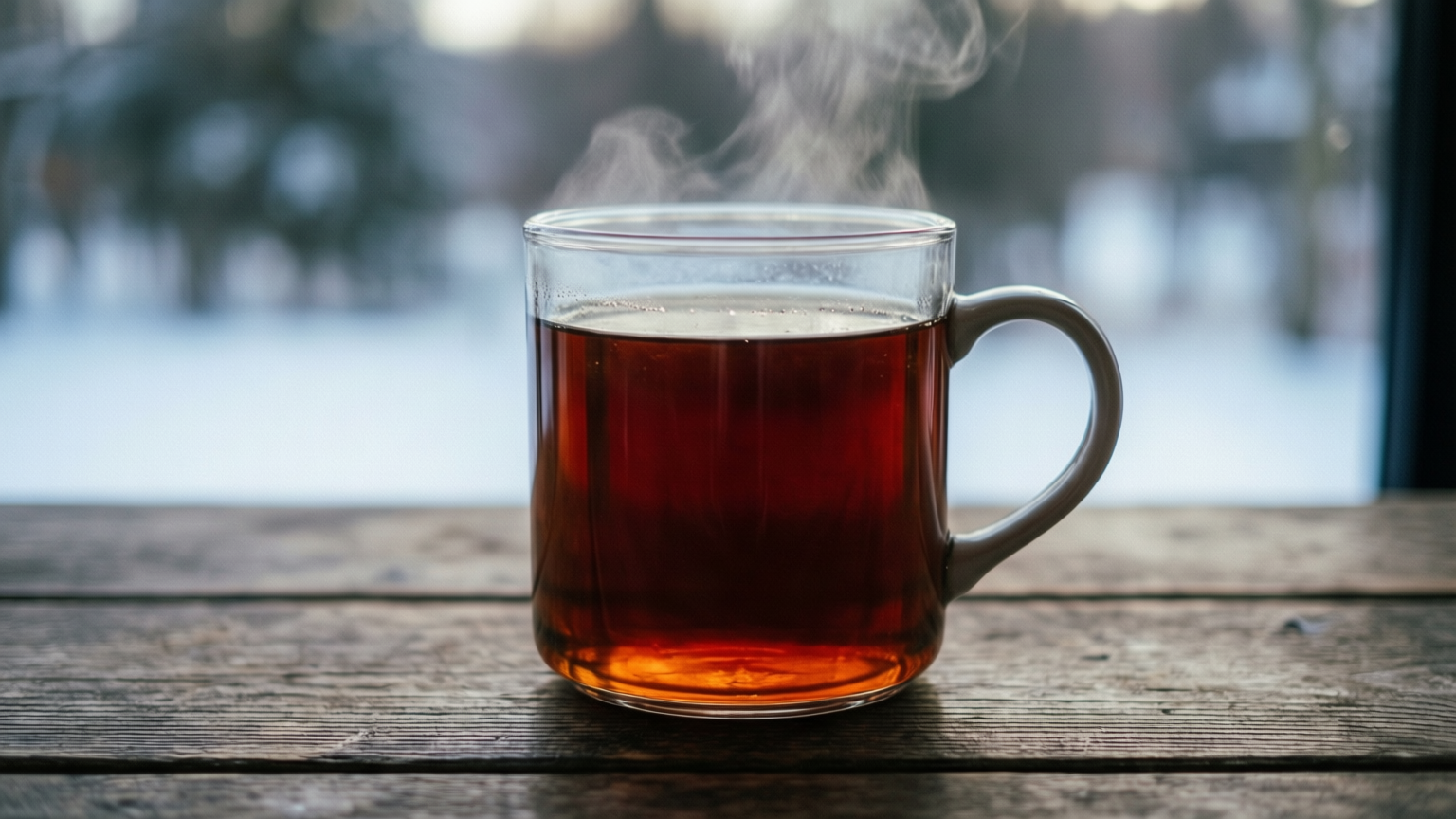
A hot toddy, a glass of red wine, or a dram of whisky has long been considered a reliable remedy for keeping warm during chilly weather. The ritual of sipping a warm alcoholic drink provides immediate comfort, leading many to believe it raises their internal temperature. However, medical experts clarify that this sensation is deceptive and potentially dangerous.
The Illusion of Warmth
Winston Morgan, a professor of toxicology, equity, and inclusive practice at the University of East London, states that while there is a clear perception of warmth, the physical reality is different. Alcohol does not generate heat within the body. Instead, it alters how the body manages its existing heat.
The human body regulates its core temperature through the hypothalamus, a region in the brain that acts as a thermostat. When the body becomes too hot, it triggers vasodilation, a process where blood vessels near the skin widen. This allows warm blood to flow closer to the surface, releasing heat into the surrounding air. Conversely, when the body is cold, it constricts these vessels to conserve heat and keep it deep within the core.
Alcohol interferes with this natural regulatory system. It forces blood vessels near the skin to widen even when the core temperature has not risen. This sends more warm blood to the surface, creating a sensation of heat. As a result, people may feel hot enough to remove clothing, a reaction that is counterproductive in freezing conditions.
Increased Hypothermia Risk
“You’re sending more blood to your skin, which gives you the sensation of feeling warmer,” Morgan explains. “But actually you’re not. Your body’s just moving around the blood.”
This redistribution of blood has a significant downside. By increasing blood flow to the skin, alcohol encourages heat to escape the body more rapidly. This process can lower the core body temperature, which is the most critical factor in maintaining health during cold exposure. The risk is particularly acute in sufficiently cold environments where the body is already struggling to maintain its baseline temperature.
The danger is compounded by the behavioral response to the false sensation of warmth. Individuals may strip off layers of clothing, leaving them exposed to the cold air. Morgan notes that after some time, the core becomes cooler than it would have been without alcohol. Consequently, drinking large amounts of alcohol in a cold environment is not advisable for maintaining body heat.
The myth of alcohol as a warming agent persists because the initial feeling of warmth is so distinct. However, the physiological effect is a net loss of heat. For those seeking to stay warm in cold weather, relying on alcohol is ineffective and increases the risk of hypothermia. The body’s natural mechanisms for conserving heat are overridden by the drug’s effect on blood vessels, leaving the core vulnerable to cooling.
Source: The Guardian
