


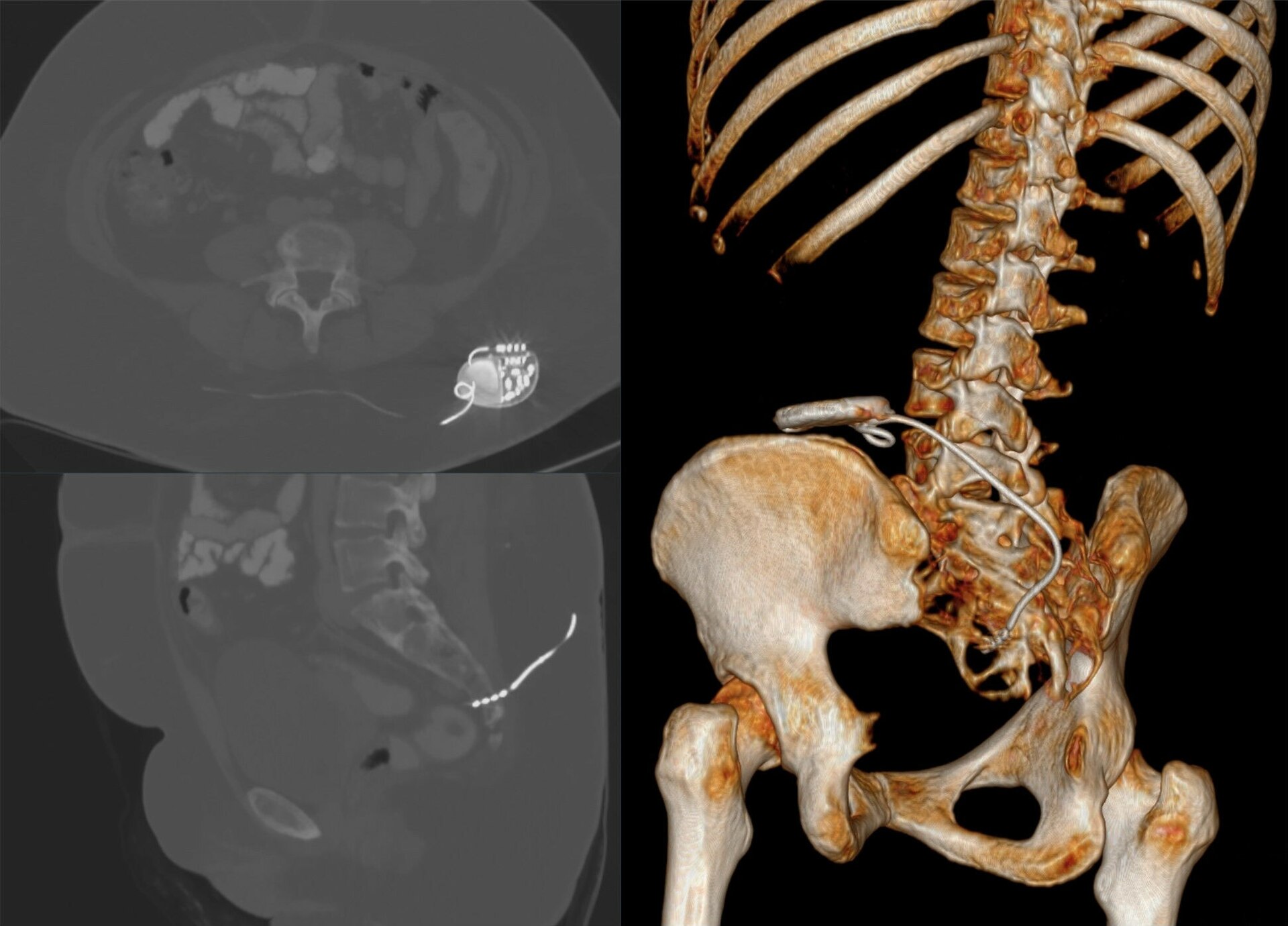
An experimental electronic device developed at ETH Zurich in Basel offers a new approach to managing type 2 diabetes. Instead of relying on insulin injections or pharmaceutical drugs, the implant uses electricity to transform excess glucose in the bloodstream into a compound the body can flush out through urine. Early trials in diabetic mice showed the system successfully regulated blood sugar levels and resulted in weight loss, according to findings published in the journal Science.
Type 2 diabetes is often linked to obesity and excess energy intake. While insulin helps muscle cells absorb glucose, it does not remove the surplus energy from the body. When the body cannot use all the absorbed glucose, the excess is stored as fat. This mechanism explains why many patients continue to gain weight even when their blood sugar is controlled with medication. The new device addresses this by physically removing the excess glucose rather than just directing it into cells.
Inorganic Catalyst and Wireless Power
The core of the device is a catalyst made entirely from inorganic materials. It does not use living cells, enzymes, or biological components, which simplifies production and reduces immune compatibility issues. The catalyst consists of graphite felt covered with tiny gold clusters. These gold structures are coated with minute platinum particles, creating a specialized surface that drives the chemical reaction needed to process glucose.
Power for the device is delivered wirelessly. An electronic controller housed in a 3D-printed casing sends energy to the implant at a frequency of 13.56 MHz. This specific frequency is reserved globally for industrial, scientific, and medical use. The system operates at a very low voltage, which researchers say prevents tissue damage from electrical or thermal effects.
The process works by converting glucose into gluconate. Gluconate is a substance that the body eliminates via urine. By removing this portion of glucose from the bloodstream, the implant prevents it from being metabolized and stored as fat. This dual action of lowering blood sugar and reducing fat accumulation distinguishes the technology from conventional treatments.
Automated Feedback System
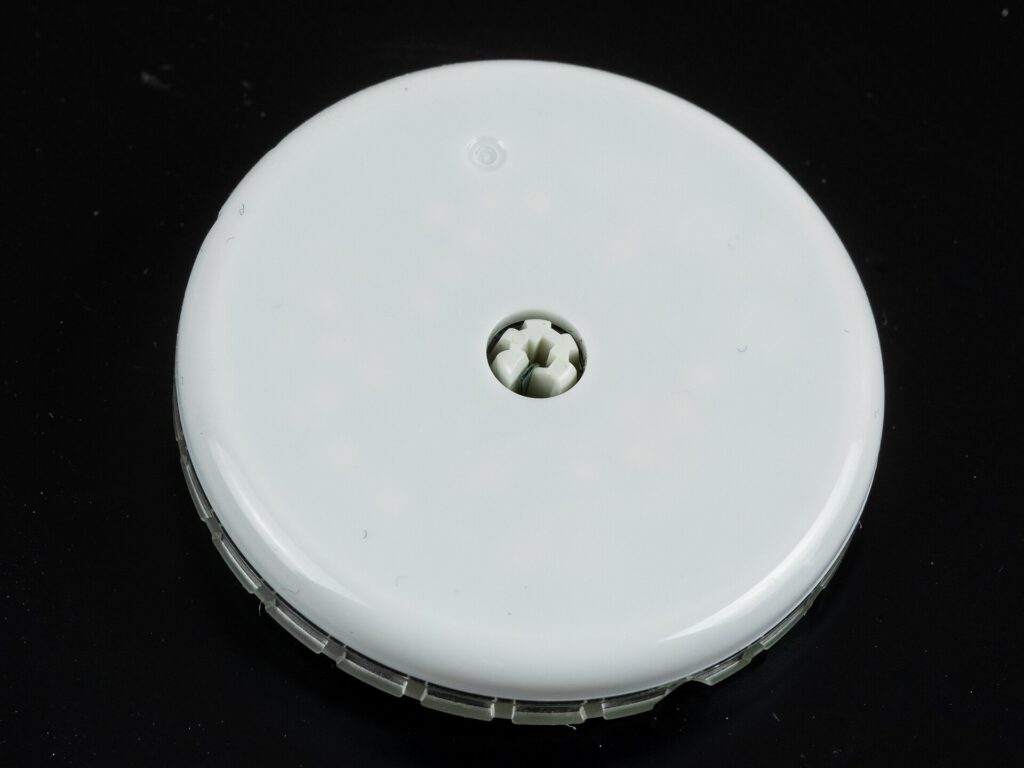
The implant functions as part of a closed-loop control system. A standard glucose sensor, similar to those worn on the upper arm, continuously measures glucose concentrations in tissue fluid. When levels rise, such as after a meal, the sensor sends data via Bluetooth to a smartphone or smartwatch. The connected device then activates the implant, supplying the necessary electrical energy to trigger the catalyst.
Once glucose levels return to a normal range, the implant automatically shuts down. This feedback mechanism is designed to prevent blood sugar from dropping too low, a common risk with insulin therapy. The entire process happens automatically, responding to changes in blood sugar as they occur.
Before testing in animals, the researchers validated the catalyst in a laboratory setting. They used a 5-liter reservoir of nutrient solution, a volume comparable to the blood in an adult human body. The experiment confirmed that the catalyst could effectively convert glucose on this scale. Subsequent tests involved implanting the system in diabetic mice. Over six weeks, the device functioned reliably and was well tolerated by the animals.
Lead researcher Martin Fussenegger, a professor in the Department of Biosystems Science and Engineering at ETH Zurich, stated that the device represents a shift in treatment strategy. He noted that for decades, diabetes care has focused on instructing the body on how to manage glucose. This new approach takes direct control of the glucose itself using electronics. The catalyst only activates when glucose levels are too high, ensuring precise regulation.
The technology also integrates with digital health networks. The researchers envision a future where such devices are manufactured at scale and connected to the Internet of Things, allowing for remote monitoring and automated adjustments. Because the catalyst relies on simple inorganic materials and commercially available wireless power systems, the team believes the path to clinical development is more straightforward than for biological treatments.
The device has not yet been tested in humans. Further research is required to determine if the technology can operate safely and effectively in people with diabetes. The next step for the team is to refine the experimental implant into a medical device suitable for clinical trials. If successful, this could lead to a new class of treatments that reduce reliance on conventional medications.
Source: ScienceDaily
