


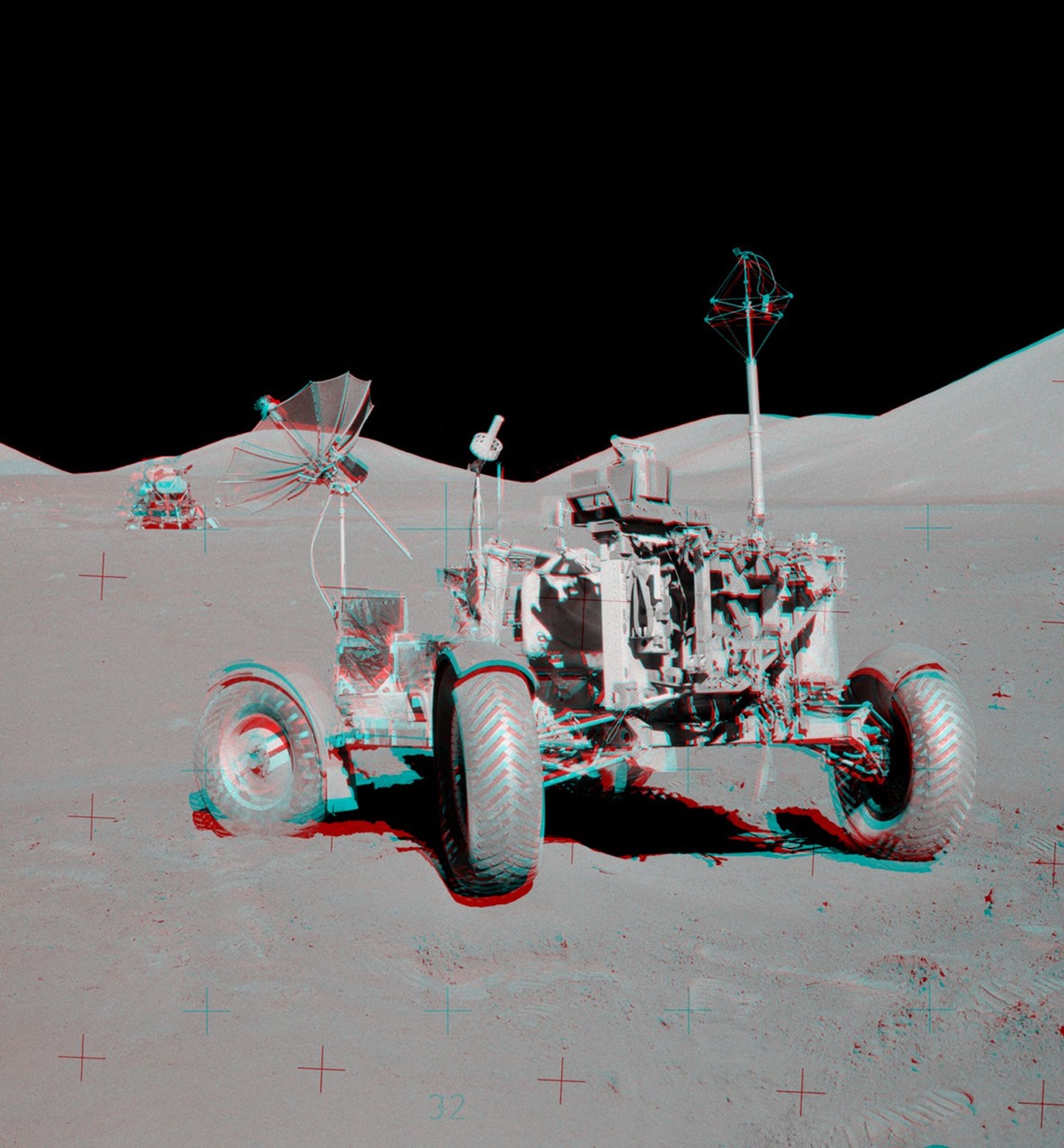
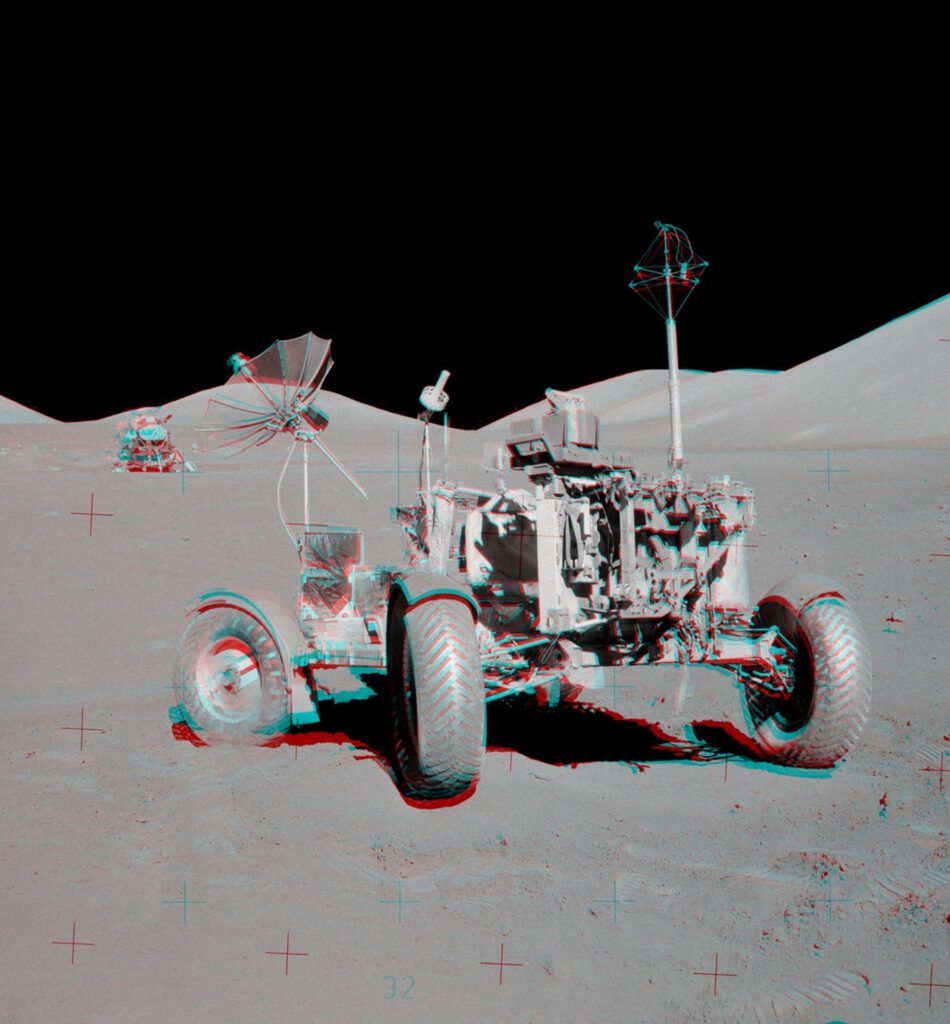
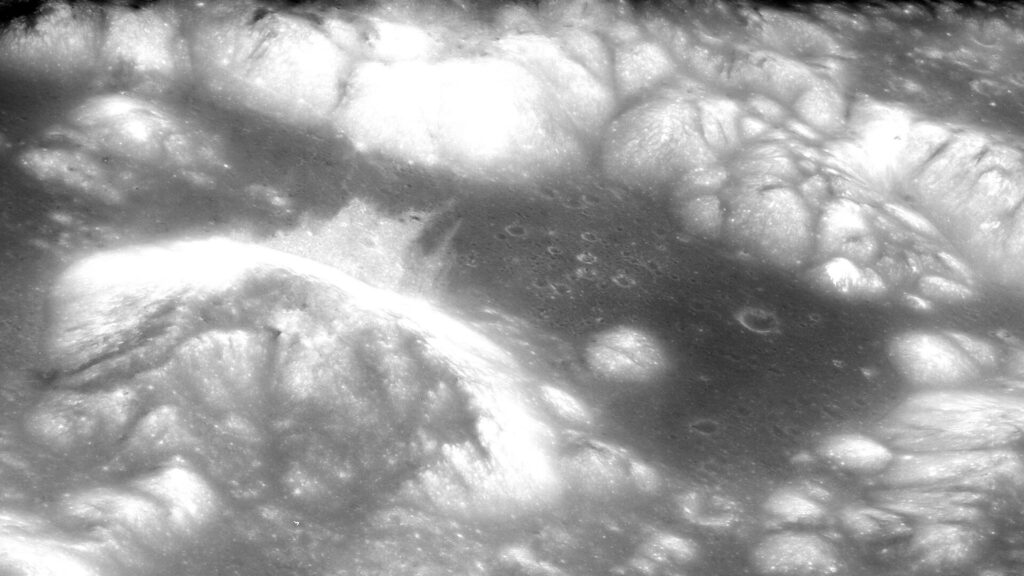
A new astronomical image offers a detailed three-dimensional perspective of the Apollo 17 VIP Site, the location where the last humans walked on the Moon. The color anaglyph, which requires red/blue glasses to view in stereo, captures the Taurus-Littrow valley on the lunar surface. The scene places the Apollo 17 Lunar Rover in the immediate foreground, with the Lunar Module and distant lunar hills visible behind it.
The VIP Site and Lunar Rover
The specific parking location chosen by the crew was designated the VIP Site because it provided a clear line of sight for television cameras. This positioning allowed the world to watch the Lunar Module’s ascent stage liftoff via the rover’s TV camera. The anaglyph highlights the detailed 3D view of the rover, emphasizing the terrain’s topography and the vehicle’s placement relative to the landing craft.
This visual record serves as a reminder of the final crewed mission to the lunar surface. The image captures the static scene of the hardware left behind, preserving the exact spot where astronauts Eugene Cernan and Harrison Schmitt conducted their operations.
Historical Context of the Mission
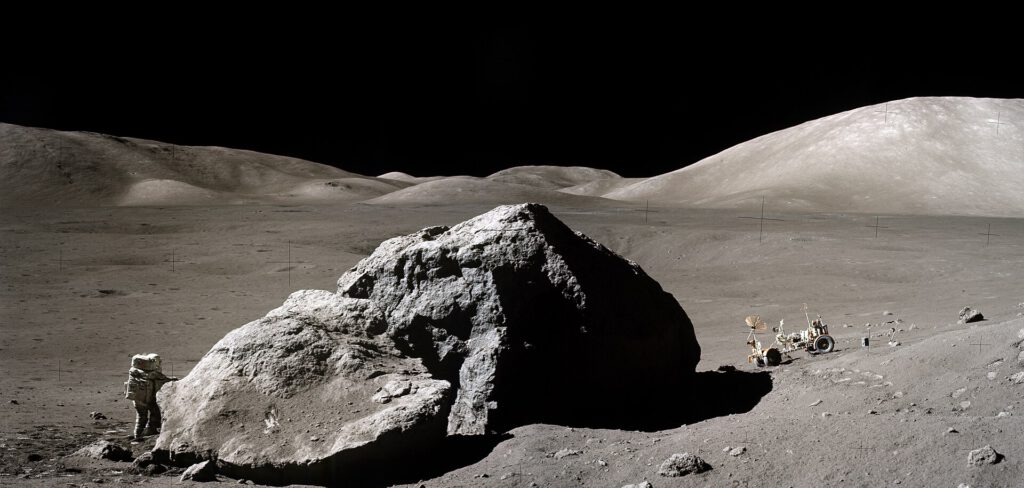
Fifty years ago, in December of 1972, the Apollo 17 crew spent approximately 75 hours on the Moon. While astronauts Cernan and Schmitt worked on the surface, colleague Ronald Evans orbited overhead in the Command Module. The mission was highly productive, with the crew returning with 110 kilograms of rock and soil samples. This haul exceeded the amount collected at any other lunar landing site.
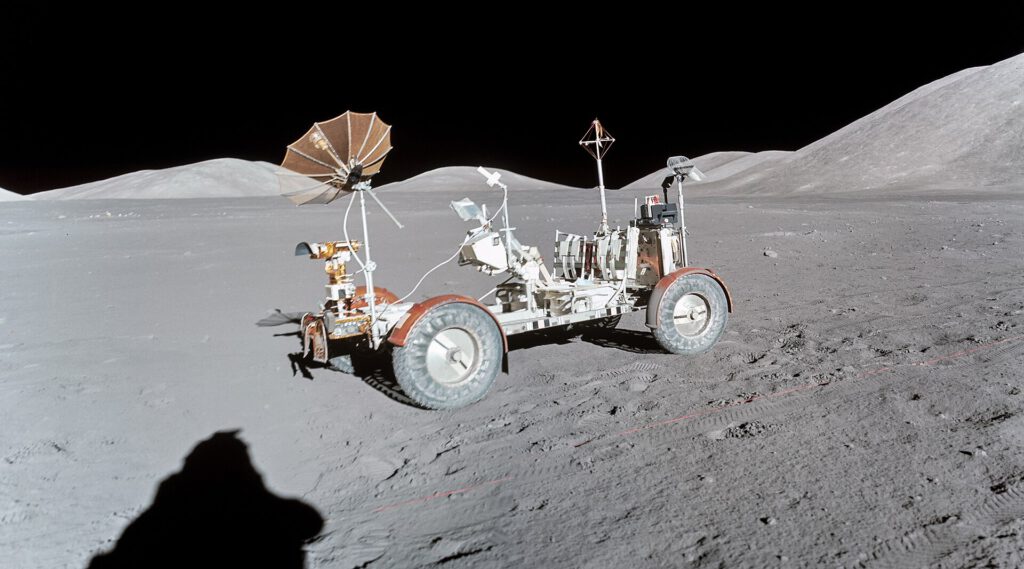
Cernan and Schmitt remain the last people to walk or drive on the Moon. The anaglyph of the VIP Site stands as a testament to their historic presence in the Taurus-Littrow valley. The image is part of the Astronomy Picture of the Day (APOD) series, which features a different image or photograph of the universe each day, accompanied by an explanation from a professional astronomer.
Tomorrow’s picture will feature a dark cloud, continuing the daily exploration of cosmic phenomena.
Source: NASA
