


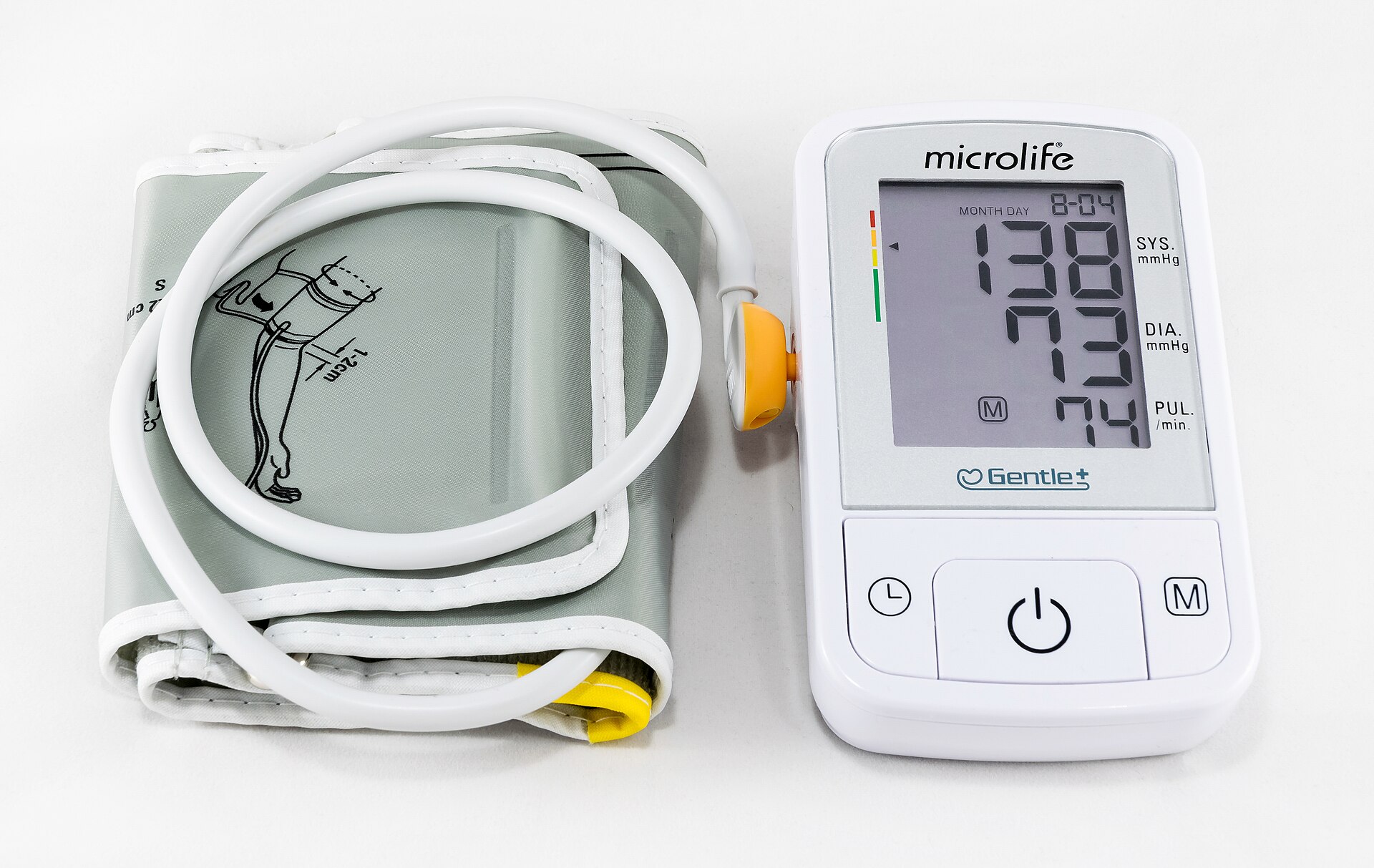
Millions of people with high blood pressure could benefit from a new treatment that has surprised doctors by reversing a common cause of the condition for years after patients stop taking the medication. The drug, known as baxdrostat, improved blood pressure during a six- to 12-month course of daily pills, but the benefits persisted up to two years later, with some patients no longer on any hypertension drugs.
Unexpected Long-Term Benefits
The findings come from a small study published in the New England Journal of Medicine. Researchers followed 14 patients whose hypertension improved dramatically during an initial three-month trial of the drug. These patients continued taking the daily pills for six to 12 months before stopping. When doctors checked on the patients up to two years later, their blood pressure remained lower than before.
Prof Morris Brown, a hypertension specialist at Queen Mary University of London who led the study, described the results as very exciting. He noted that just under a quarter of the patients came off all treatment and had completely normal blood pressure. The standard treatment for the underlying condition, called primary aldosteronism, is to surgically remove the affected adrenal gland. However, other factors can contribute to a patient’s hypertension, meaning surgery is not always a complete cure.
How the Drug Works
Baxdrostat is an aldosterone synthase inhibitor, which suppresses the blood pressure-raising hormone aldosterone. In 5 to 10% of high blood pressure cases, the condition is caused by small nodules or benign tumours on the adrenal glands that cause them to overproduce this hormone. The excess hormone raises blood pressure by signalling the kidneys to retain salt.
Brown suspects the drug may cure primary aldosteronism because of an experiment in mice 20 years ago. That experiment showed that deleting the gene needed to make aldosterone led to the loss of cells that churned out the hormone. He suspects baxdrostat has a similar effect. When the drug suppresses aldosterone, it causes a surge in highly active molecules called reactive oxygen species. These may selectively destroy the cells that overproduce the hormone.
“Those oxygen radicals are killing the cells and they disappear,” Brown said. “That’s what I think the mechanism is and it’s testable, it’s something we’re doing now in the laboratory.”
Future Implications for Treatment
Mason Freeman, a professor of medicine at Harvard University who was involved in the work, said it was too early to say if some of the patients were cured. A larger trial is under way to find out. He noted that if this effect is common and very persistent, the approach to diagnosing and treating these patients is likely to change dramatically.
“Everyone could be treated with the ASI in initial suspicion of the condition and if they responded well they could avoid the invasive diagnostic procedures and the surgery,” Freeman said.
The baxdrostat drug was approved in the US earlier this year for patients with hypertension that is not controlled by existing drugs. It is currently being assessed by the National Institute for Health and Care Excellence, which could make the drug available through the NHS next year. More than a billion people worldwide have high blood pressure, including more than 12 million in the UK.
Source: The Guardian
