


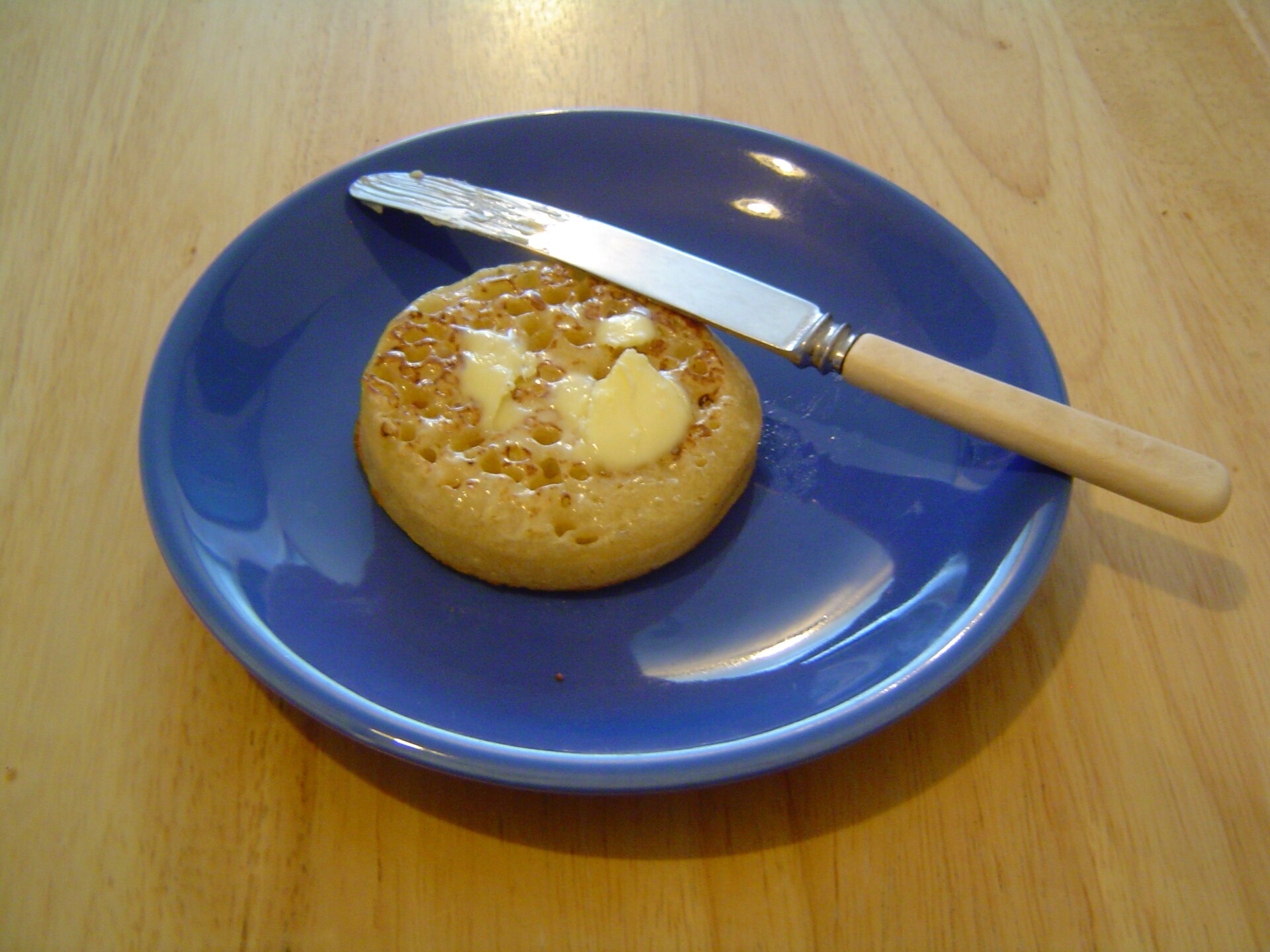
The humble crumpet remains a staple of the British breakfast table, yet the quality of supermarket options varies significantly. A recent taste test conducted by The Guardian evaluated a wide range of products to determine which ones deliver the best texture, flavor, and value for consumers.
The Science of the Holey Top
The defining characteristic of a good crumpet is its internal architecture. Unlike standard bread, a crumpet relies on a specific chemical reaction to create its signature honeycomb texture. This process mirrors the classic school science experiment involving vinegar and baking soda, though food-grade salts are used in the dough instead.
When the batter hits the heat of a toaster, surface moisture turns to steam. This steam forces bubbles up through the dough, creating the archetypal surface craters that are essential for soaking up butter. The number of holes on the surface is less important than the overall aeration of the crumpet’s interior.
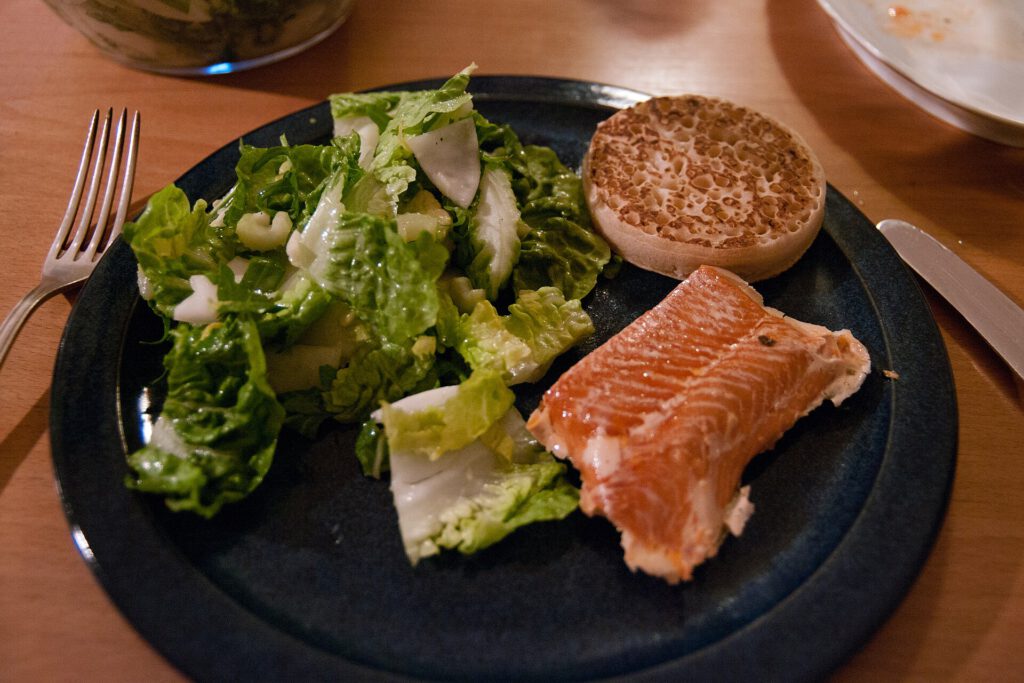
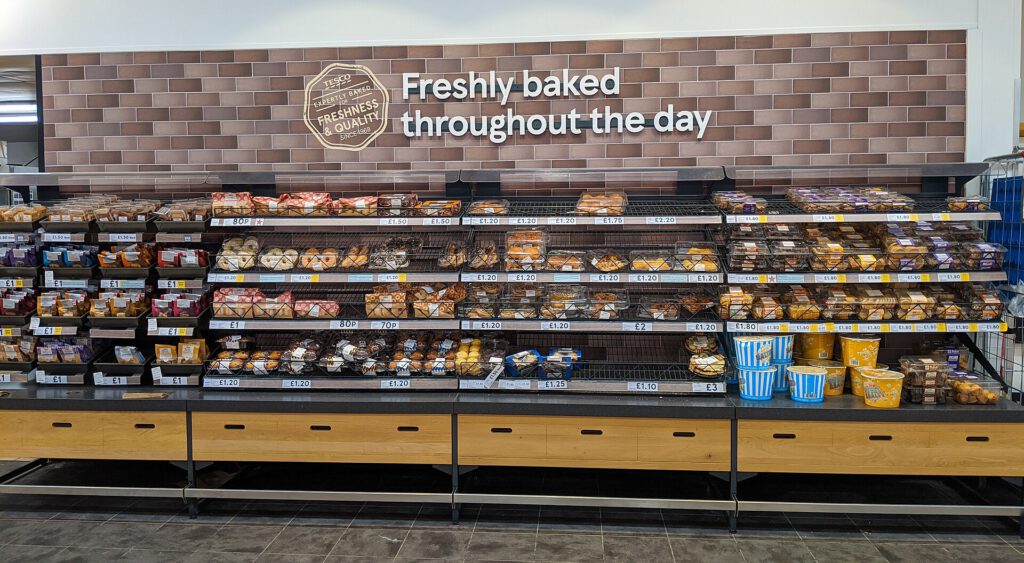
The test found that even the most economical own-label brands often stand out for their quality. Many of these budget-friendly options provide a comforting, fresh bread smell and a good bite, proving that high cost does not always correlate with high quality.
Top Performers in the Taste Test
Several brands emerged as clear winners in the evaluation. One standout option was described as thick and well-aerated, featuring a full, nutty flavor. Reviewers noted its comforting aroma and classic recipe formula, which delivers a satisfying chew.
Another top contender offered a light and airy texture with a sweet-yeasty aroma. This crumpet was praised for its fluffy interior and crunchy edges, making it excellent for butter absorption. Its simple recipe and great value made it a strong recommendation for budget-conscious shoppers.
For those seeking a more complex flavor profile, wholegrain options performed well. One brand produced thick, brown crumpets with generous craters. The inclusion of linseeds, rye, and nutty spelt created a sour wheat aroma and a soft bite that stood out from standard white flour varieties.
A premium option from a B Corp-certified brand using regenerative farming practices was named the best splurge. This crumpet featured huge holes, a fluted edge, and a sweet, complex flavor. It was made with sourdough and flour grown through sustainable methods, offering a high-quality experience for those willing to pay more.
Lower-Rated Options and Additives
Not all crumpets passed the test. Some products were criticized for their pale appearance and rubbery texture. One particularly low-rated option required three toasts to achieve any color, and reviewers described its flavor as strongly sour.
Preservatives were a common feature in many of the lower-rated products. Several brands used potassium sorbate or calcium propionate to extend shelf life. While these additives are standard in the industry, they did not seem to improve the eating experience for testers.
One brand using sourdough culture and brandy vinegar received mixed reviews. Despite its innovative ingredients, the crumpet had a firm, chewy bite and a dominant synthetic edge that detracted from its overall appeal.
The results of this taste test suggest that consumers do not need to spend a fortune to enjoy a high-quality crumpet. Many own-label brands offer excellent value and taste, while premium options provide distinct flavor profiles for those seeking a special treat. The key to a good crumpet remains its internal aeration and ability to hold butter.
Source: The Guardian
