


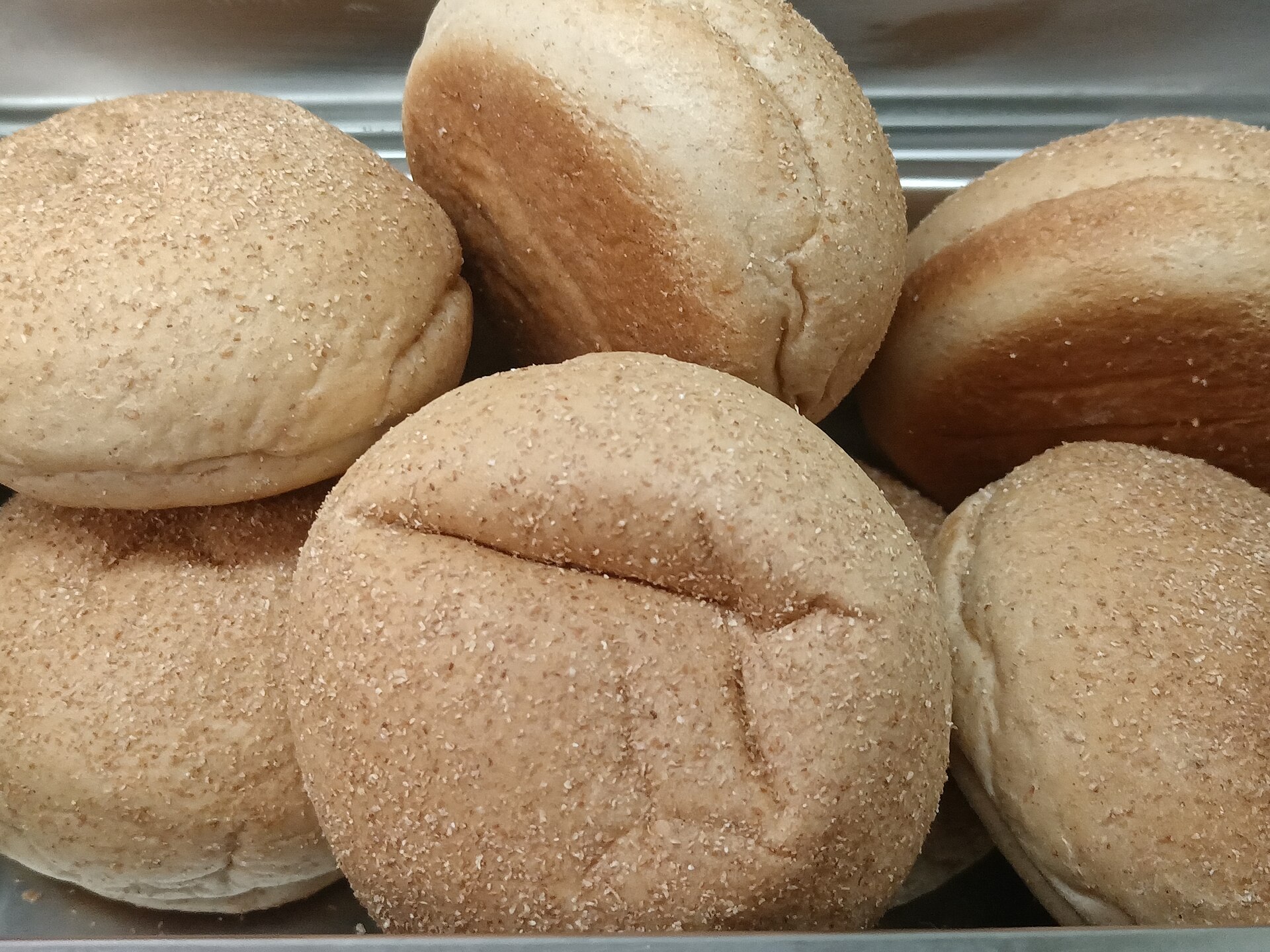
The search for a simple, satisfying sandwich loaf often leads to a disappointing uniformity. Most supermarket wholemeal breads rely on the Chorleywood process, an industrial method developed in the 1960s that produces bread in just three and a half hours using high-speed mechanical mixing and chemical additives. This technique now accounts for approximately 80% of bread made in the UK, resulting in loaves that are often described as cardboard replicas of one another with only nuanced differences.
Despite this industrial dominance, a recent tasting of ten popular sliced wholemeal loaves revealed that consumers can still find exceptional flavour and texture. The review identified two loaves with standout taste profiles and one with a notably firm texture ideal for spreading. Surprisingly, several of the tested products contained an impressive lack of additives, and all scored well on value.
Standout Flavour and Texture
Among the ten loaves tested, one small, round-topped loaf emerged as a top performer. It featured a closed crumb and a dense texture that held up well to toppings. The crust was evenly glazed, and the loaf carried a sweet, wheatgrass aroma with a medium-firm bite. The taste profile was described as sweet and nutty, completely free of bitterness. This loaf also stood out for its simplicity, containing only wholemeal wheat flour, water, wheat gluten, fermented wheat flour, and salt. It contained zero additives and was free of palm oil.
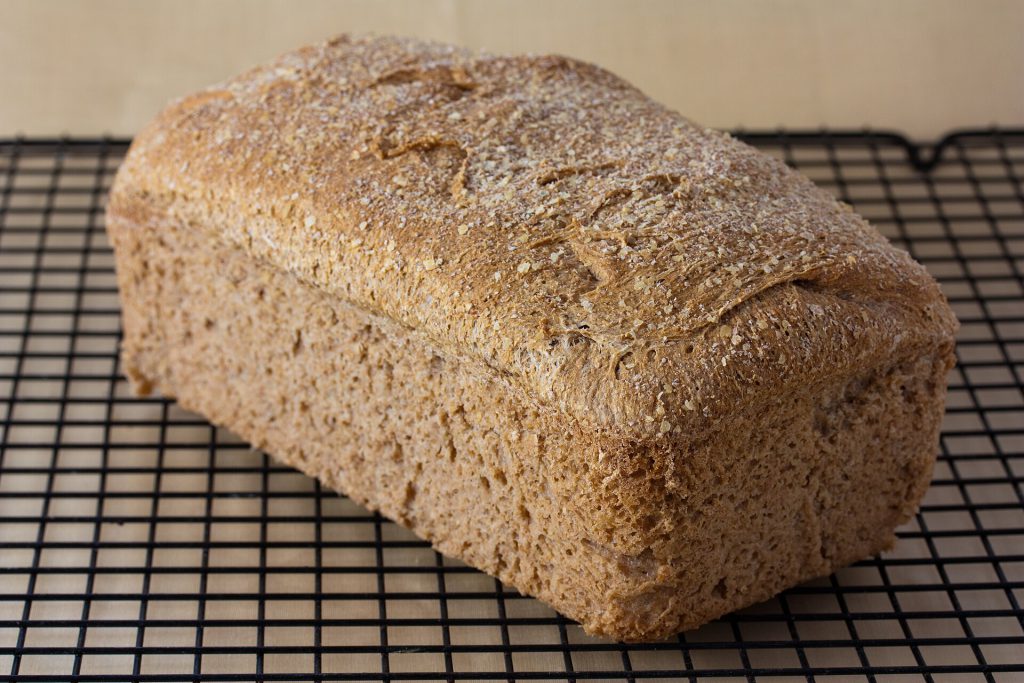
Another strong contender was a soft, seedy loaf that utilized flour from cereals grown by Wildfarmed’s regenerative farming project. This B Corp-certified product offered a roasted barley and fermented yeast aroma. The flavour was complex, with a sweet nuttiness and a toasted bran finish. The sheer quantity of seeds, including millet, sunflower seeds, and linseeds, provided extra texture. Like the top performer, this loaf contained zero additives and was palm oil-free.
A third loaf distinguished itself with a proud, deep caramel-glazed crust. It had a dense, firm crumb mixed with seeds, primarily millet and sunflower. The texture was firm and crunchy, delivering a sweet, nutty flavour without bitterness. While it contained zero additives, this loaf did include palm oil.
Ingredients and Additives
For consumers seeking to avoid palm oil, emulsifiers, or preservatives, the landscape of sandwich loaves can be difficult to navigate. However, the tasting confirmed that palm oil-free options do exist. One soft loaf speckled with millet and sunflower seeds offered a fresh, wholesome malty aroma and a chewy crust. Although it contained three additives, including two emulsifiers and one preservative, it was palm oil-free.
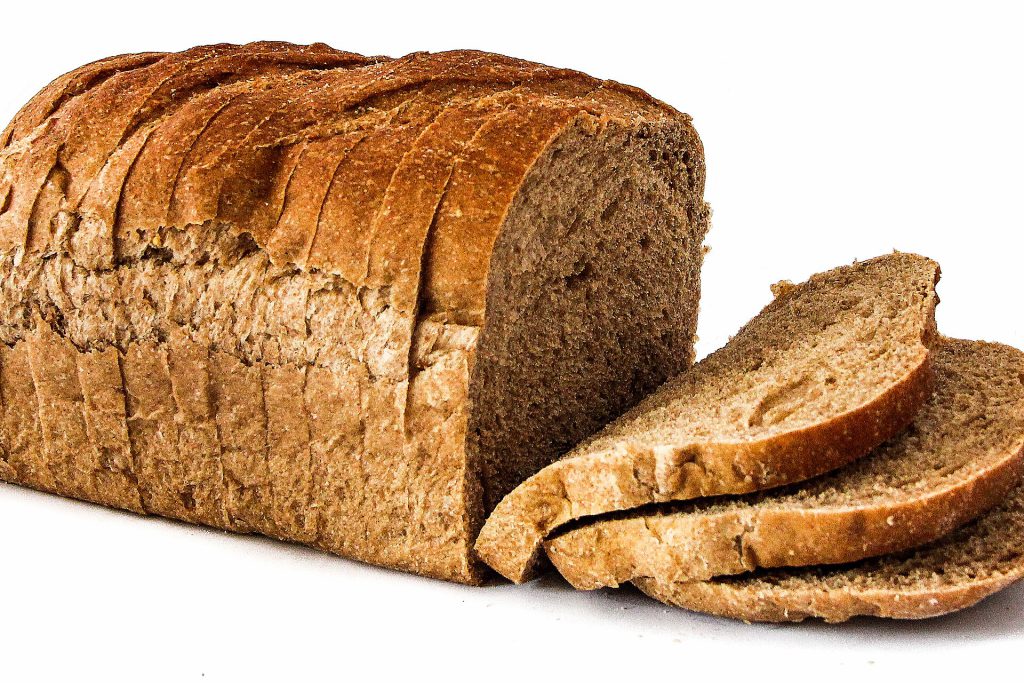
Another soft, seedy loaf topped with wheat flakes provided a rich, bran-forward aroma and a savoury, nutty finish. This loaf contained zero additives and was palm oil-free. Similarly, a loaf with a medium closed crumb and a sweet, nutty aroma was free of additives, though it did contain palm oil and palm fat.
Not all loaves met the highest standards. One soft loaf with a closed crumb was described as having a gummy texture and a bitter, burnt finish. Despite these flaws, it was noted as a good everyday option with zero additives and exceptional value, though it did contain palm oil. Another dark, round-topped loaf suffered from a soft, gluey texture and an acrid, over-toasted bran aroma. It contained certified sustainable palm oil but no labelled artificial preservatives or emulsifiers.
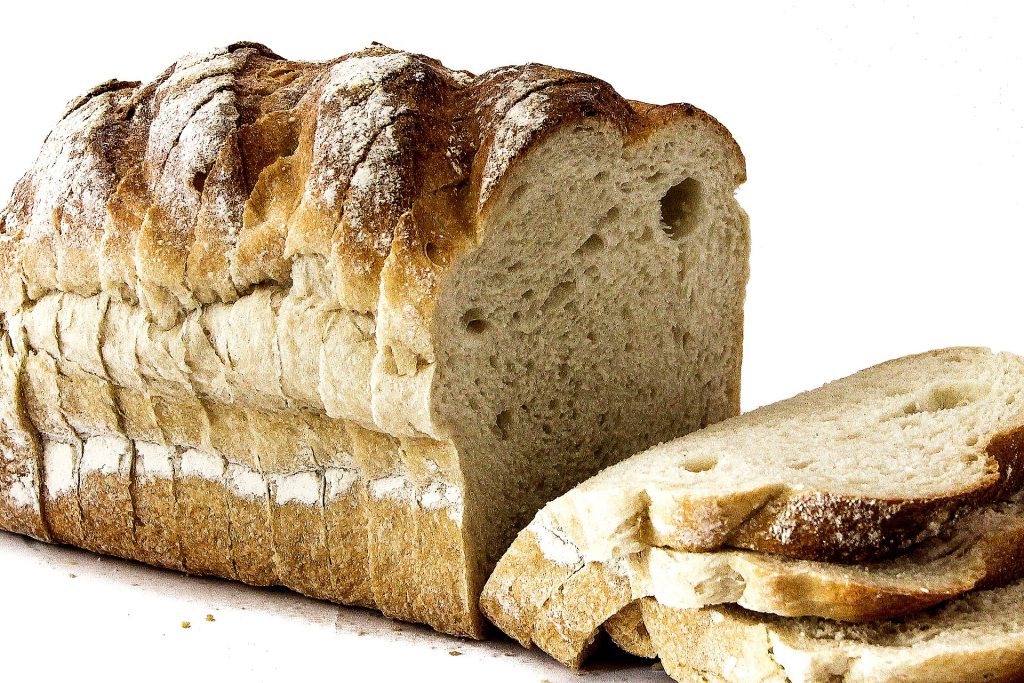
Some loaves received mixed reviews for their aroma and aftertaste. One rich, tanned loaf topped with wheat flakes had a sweet, nutty aroma but left a bitter aftertaste. It contained three additives but was palm oil-free. Another standard soft wholemeal loaf had a sweet but mildly synthetic aroma and a gummy texture. It contained three additives, plus palm oil and palm fat.
The tasting highlights that while the Chorleywood process dominates the market, discerning shoppers can still find high-quality wholemeal bread. Checking labels for palm oil and additives remains the most effective way to identify loaves that align with specific dietary preferences. The results show that flavour and texture are not entirely sacrificed for speed and convenience in the supermarket aisle.
Source: The Guardian
