


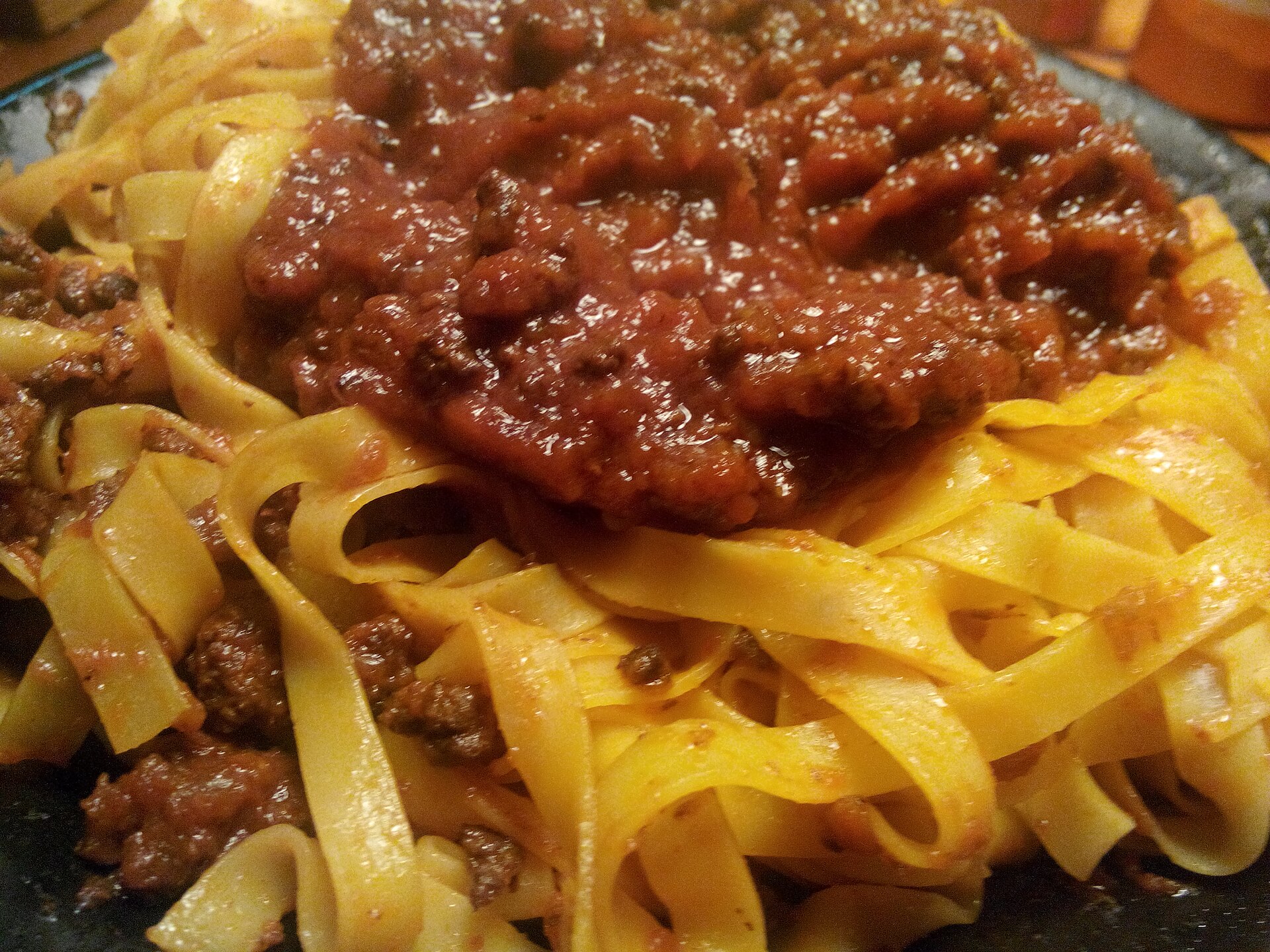
Spaghetti bolognese is a staple of British home cooking, often voted the nation’s favourite dish. It is a simple combination of mince and tomatoes served over pasta, with variations ranging from quick weeknight meals to slow-cooked Sunday roasts. The dish has a dedicated following, including a National Spaghetti Bolognese Day on 22 May.
However, the dish’s origins lie in Bologna, Italy, where it is taken with far more seriousness. The authentic version is called ragù and is never served with spaghetti. The pasta must be tagliatelle, an 8-millimetre wide hand-rolled egg pasta known as sfoglia. This specific width allows the rough surface of the pasta to grip the slow-cooked meat sauce perfectly. The use of spaghetti is often attributed to Elizabeth David, who recommended it in her 1954 book Italian Food.
Five spots for tagliatelle al ragù in Bologna
A recent visit to Bologna, the city roughly equidistant between Venice and Florence, revealed five distinct approaches to the city’s signature dish. The following establishments offer varying interpretations of the official recipe lodged with the Bologna chamber of commerce in 1982.
The first stop is a trendy restaurant decorated with retro kitchen utensils. The menu features an ancient version of the dish that includes tongue and tripe, but the classica version aligns more closely with the official 1982 recipe, which permits the addition of milk. The resulting ragù is described as unmistakably beefy and not tomato-forward. One diner compared the flavour profile to a hard-as-nails cattle rancher. The dish costs 10 euros.
Trattoria del Rosso is located along Bologna’s central streets. The ragù here is noticeably redder and coarser than at other locations. Tomato flavours are stronger, and the meat appears more succulent, suggesting a higher fat content. The dish is served premixed with pasta and costs 13 euros. Adding parmesan cheese at the halfway point improves the flavour.
A suburban trattoria situated on a main road opposite a Lidl supermarket offers a different experience. The pasta is made on site before every service and is served beneath a large mound of ragù, rather than premixed. The sauce is described as mellow, which may be due to the addition of milk. The meat has a distinctive earthiness, leading to speculation about the inclusion of liver. One of the earliest extant recipes for ragù alla bolognese, penned by Pellegrino Artusi in 1891, lists chicken liver as an optional ingredient. The restaurant lists the ragù as mystical on the menu. The dish costs 14 euros.
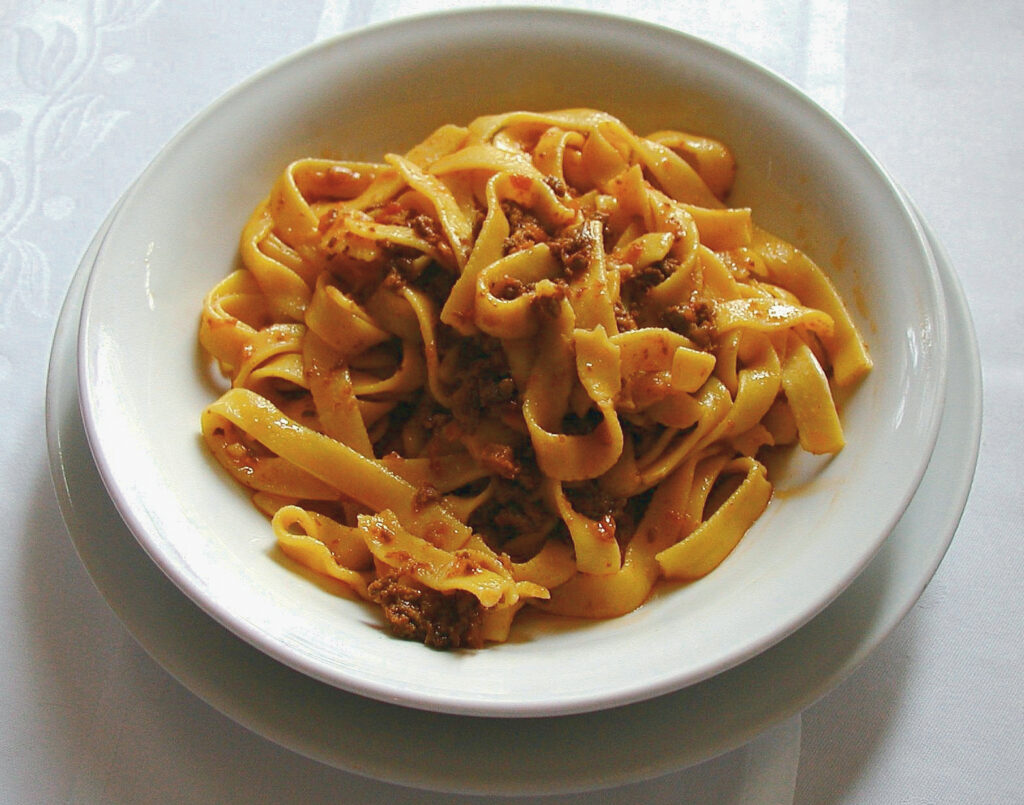
Va Mo Là is located on Via delle Moline, under one of Bologna’s famous porticos. These covered walkways stretch for almost 40 miles if placed end to end. The ragù here is more orange than usual, with the carrot from the soffritto making its presence felt. A higher ratio of pork in the mince results in a less overpowering sauce. The restaurant costs 9 euros. The author advises against waiting in line for nearby establishments like Osteria dell’Orsa, noting that the wait is not worth the marginal gain.
Noi is located inside Mercato delle Erbe, just north-west of Piazza Maggiore. The pasta is described as properly eggy and arrives smothered in a chunkier ragù. A pool of bright orange liquor forms at the bottom of the bowl, which is best mopped up with the spongy white bread served with the dish. The waiter states that ragù is monogamously linked to tagliatelle and would rather lose a finger than serve it with another pasta. The dish costs 11 euros.
Spaghetti bolognese vs tagliatelle al ragù
The final tasting took place at La Vecchia Bologna, an airport restaurant. The menu explicitly states Non chiamateli spaghetti alla bolognese, which translates to Don’t call it spaghetti bolognese. This distinction highlights the fundamental difference between the two dishes. The Italian version is precise and consistent, adhering to the standards set by the Bologna chamber of commerce. The British version is chaotic and adaptable, serving as a refuge for leftover vegetables or a platform for various cheeses and condiments.
Despite the precision and quality of the authentic tagliatelle al ragù, the author concludes that the delightful chaos of spaghetti bolognese is the preferred choice. The British dish offers a flexibility that the rigid Italian standard does not. The final verdict favours the adaptable nature of the British import over the pleasant precision of the original.
Source: The Guardian
