


Creative Artists Agency CEO Bryan Lourd has issued a public appeal to Congress, urging lawmakers to pass the NO FAKES Act to address the growing crisis of unauthorized artificial intelligence deepfakes. In an opinion piece published in The New York Times on Saturday, Lourd argued that every individual must have the legal right to refuse the use of their likeness in AI-generated content.
Federal Standards for Consent and Compensation
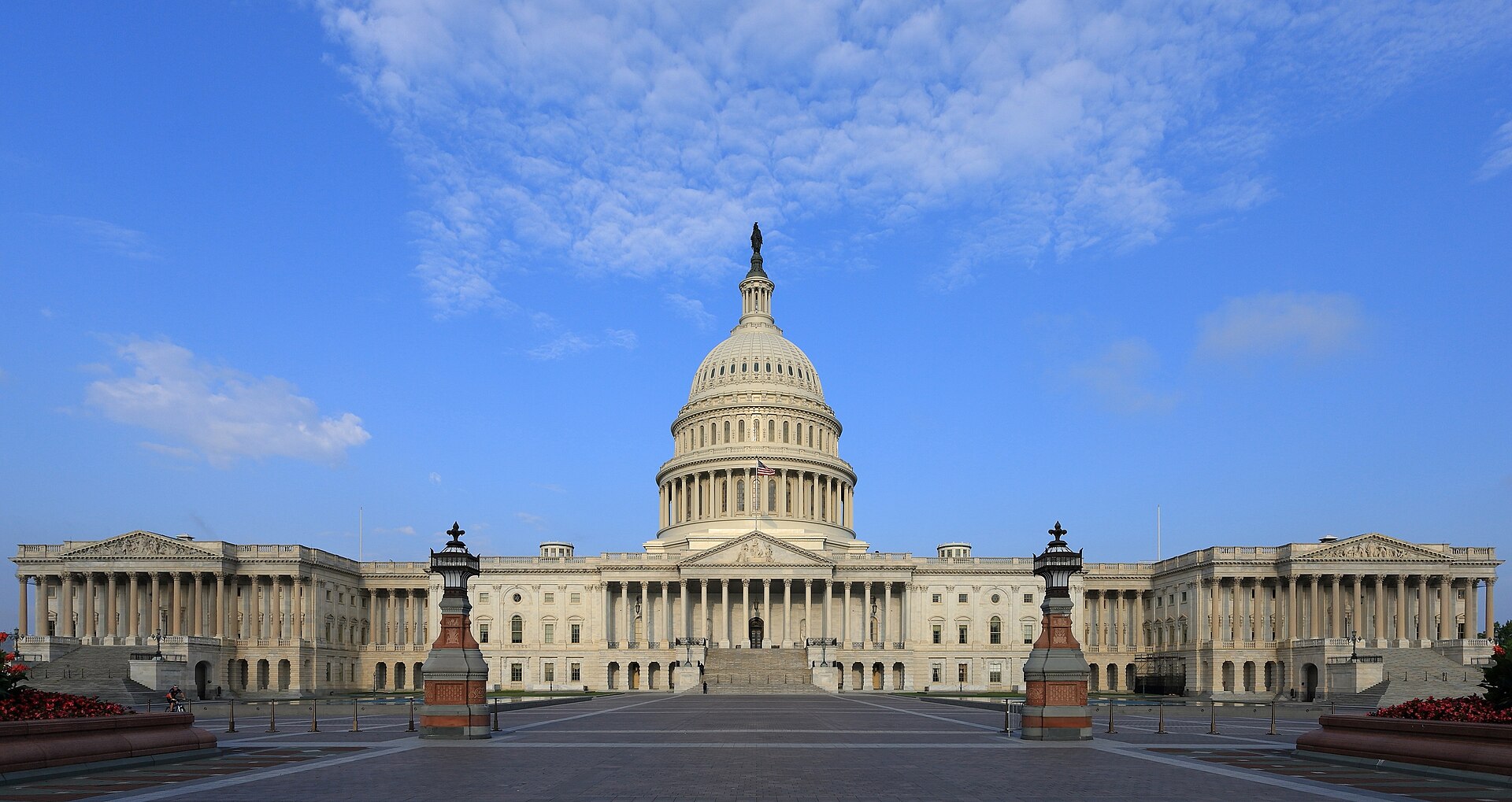
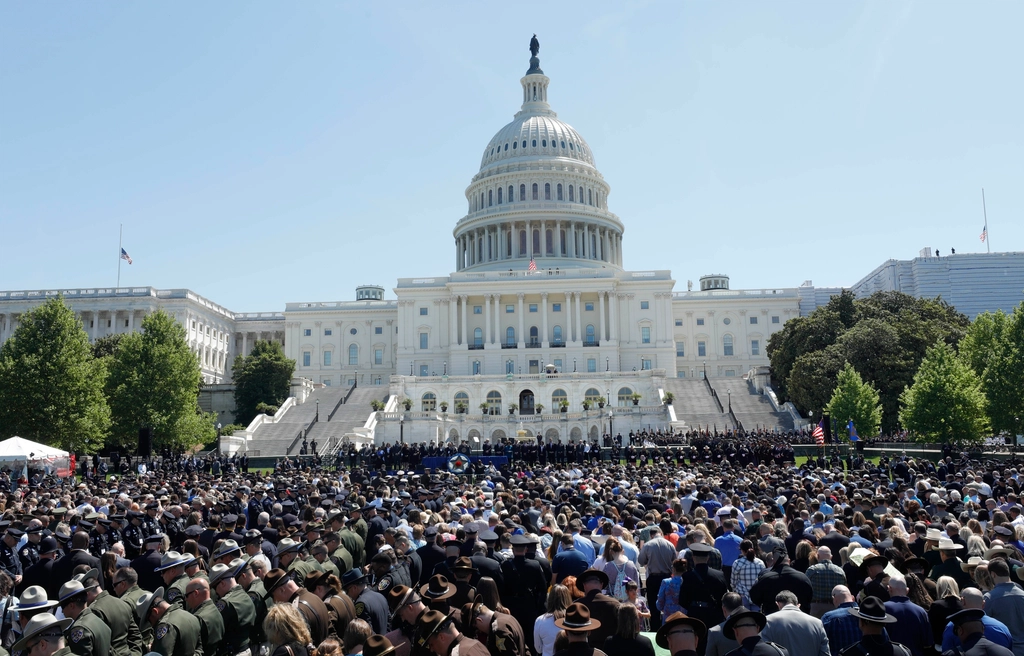
The NO FAKES Act, originally introduced by Senator Chris Coons of Maine in May, aims to establish a uniform federal framework for regulating digital replicas. While the legislation previously advanced out of the Senate Judiciary Committee in June and has garnered a bipartisan coalition of co-sponsors, it has not yet been brought to a full vote by the Senate.
Lourd emphasized that the current patchwork of state laws is insufficient for the digital age. Many existing statutes were written with analog media in mind and fail to address the complexities of modern AI technology. The proposed bill would create a bright-line rule affirming the rights to control, consent, and receive compensation for one’s image and performance.
As the head of a global talent agency, Lourd described himself as a practitioner rather than a policymaker. He noted that his firm regularly negotiates licensing deals for clients with AI companies, but argued that the pending legislation provides the necessary protections for all Americans, not just high-profile entertainers.
Industry Backing and Legal Precedents
The push for federal regulation has drawn support from a wide array of industry groups. Major backers of the NO FAKES Act include SAG-AFTRA, the Motion Picture Association, the Recording Industry Association of America, the Recording Academy, and the National Association of Broadcasters. Technology and labor organizations such as OpenAI, the AFL-CIO, YouTube, and IBM have also joined the coalition.
Lourd highlighted the real-world stakes of inaction by citing the experience of actor Tom Hanks. In 2023, Hanks warned his followers about a dental office that used an AI-generated deepfake of a younger version of himself in a commercial advertisement. Lourd pointed out that while Hanks might have agreed to such a deal, he should have been given the choice to approve or deny the use of his likeness before the advertisement ran.
Creative Artists Agency has been actively involved in advocacy efforts, collaborating with the Human Consent Foundation, which was backed by actress Cate Blanchett. The foundation works to help individuals control permissions for their likenesses if they are scraped by AI models. Additionally, CAA joined an amicus brief in the New York Times’ lawsuit against OpenAI, underscoring the active licensing market that has developed for celebrity likenesses in the AI era.
Unauthorized deepfakes have become a persistent issue since the emergence of large-language models in 2022. These digital replicas are frequently used to create explicit or misleading depictions of actors, singers, and other public figures. The NO FAKES Act seeks to provide a clear legal recourse for victims of such unauthorized proliferation.
Lourd concluded that Congress has the opportunity to supply this missing legal clarity before the end of the year, ensuring that the right to say no to unwanted digital replicas is protected under federal law.
Source: Variety
