


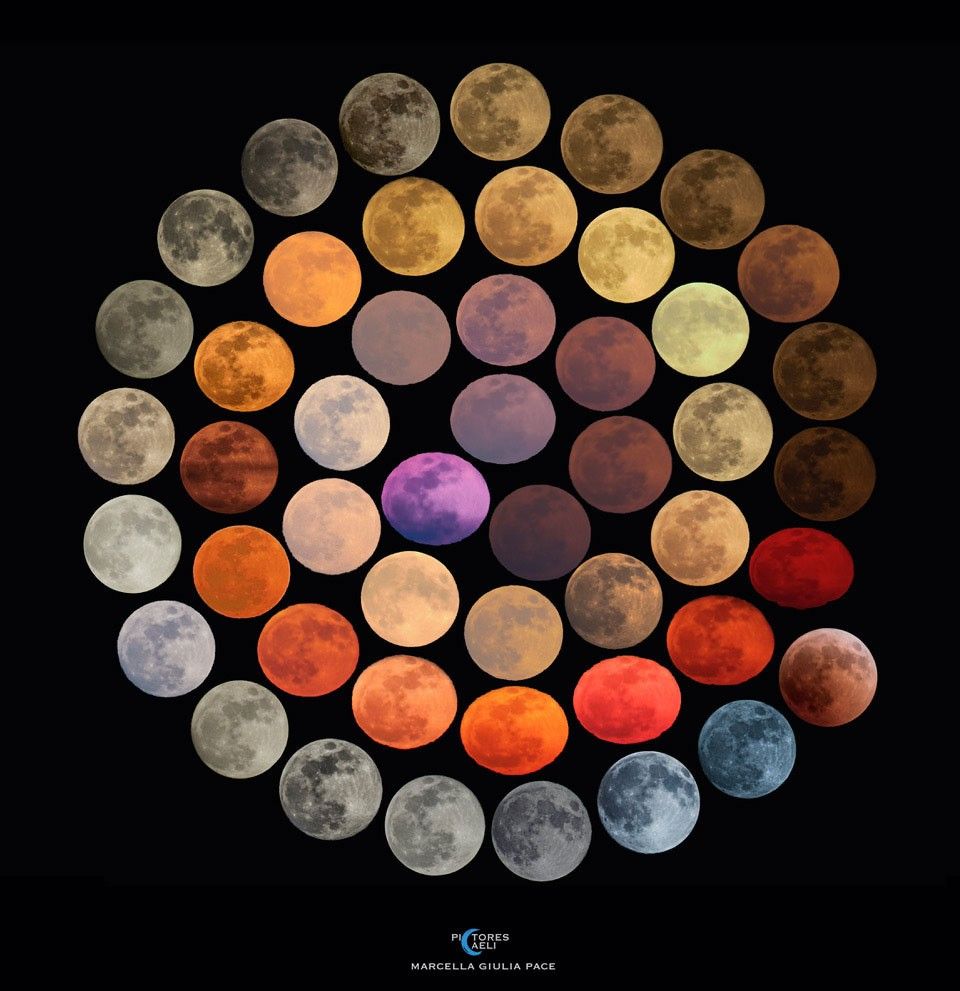
What color is the Moon? The answer changes depending on the night and the time of observation. While the dark side of the Moon, which shines by reflected sunlight, appears as a brown-tinged gray in the vacuum of space, its appearance on Earth is far more varied. A new collection highlights these apparent colors, documented by one astrophotographer over 10 years from different locations across Italy.
Atmospheric Scattering and Moon Color
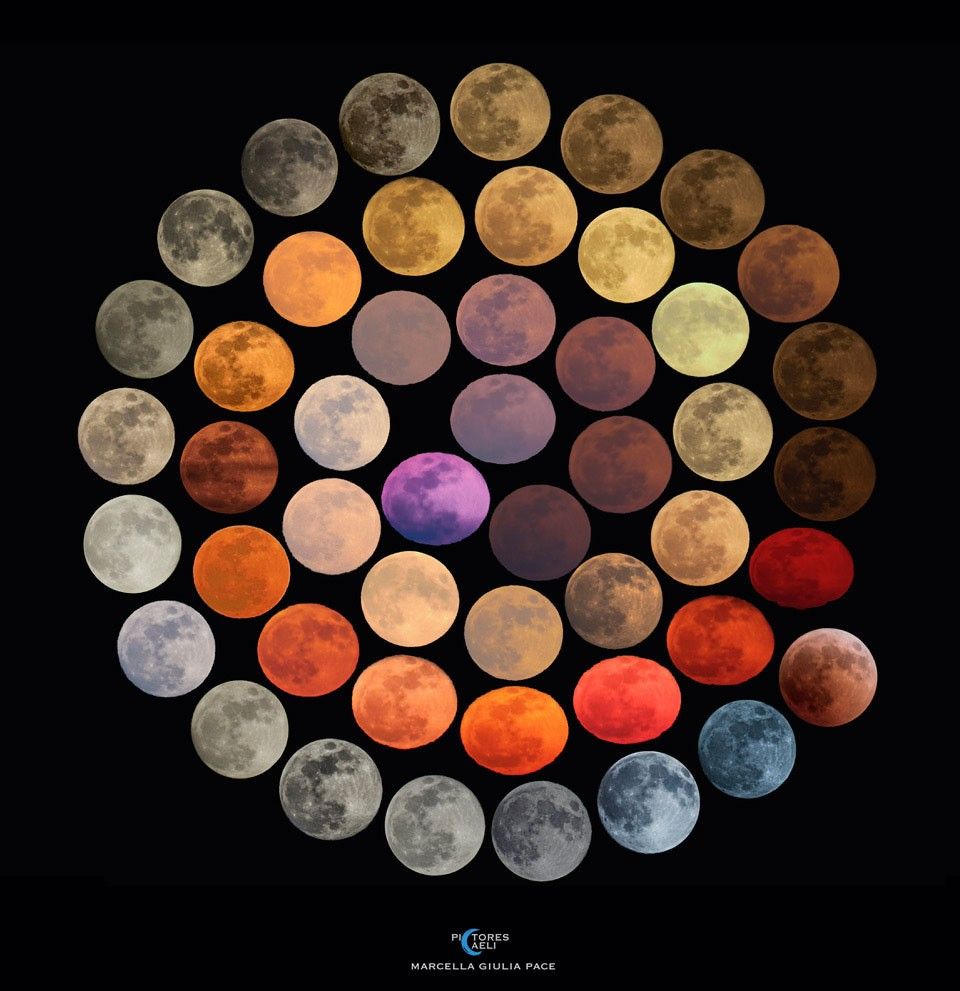
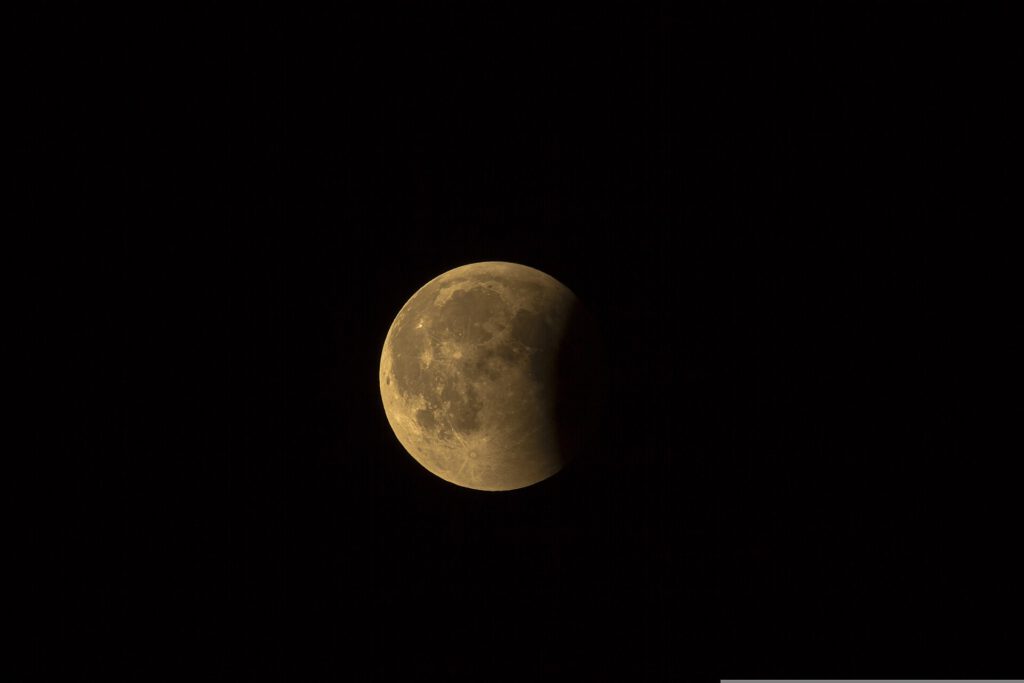
The featured image showcases a variety of lunar hues captured during different conditions. A red or yellow moon typically appears when the satellite is near the horizon. In this position, light travels through a longer path in the Earth’s atmosphere. This journey scatters away some of the blue light, leaving warmer tones visible to the observer. Fine dust in the air can enhance this effect.
Blue-colored moons are rarer. They suggest an atmosphere carrying larger dust particles that scatter light differently than fine dust. The source of a purple moon in the collection remains unclear, though it may result from a combination of several atmospheric effects.
The 2018 Total Lunar Eclipse
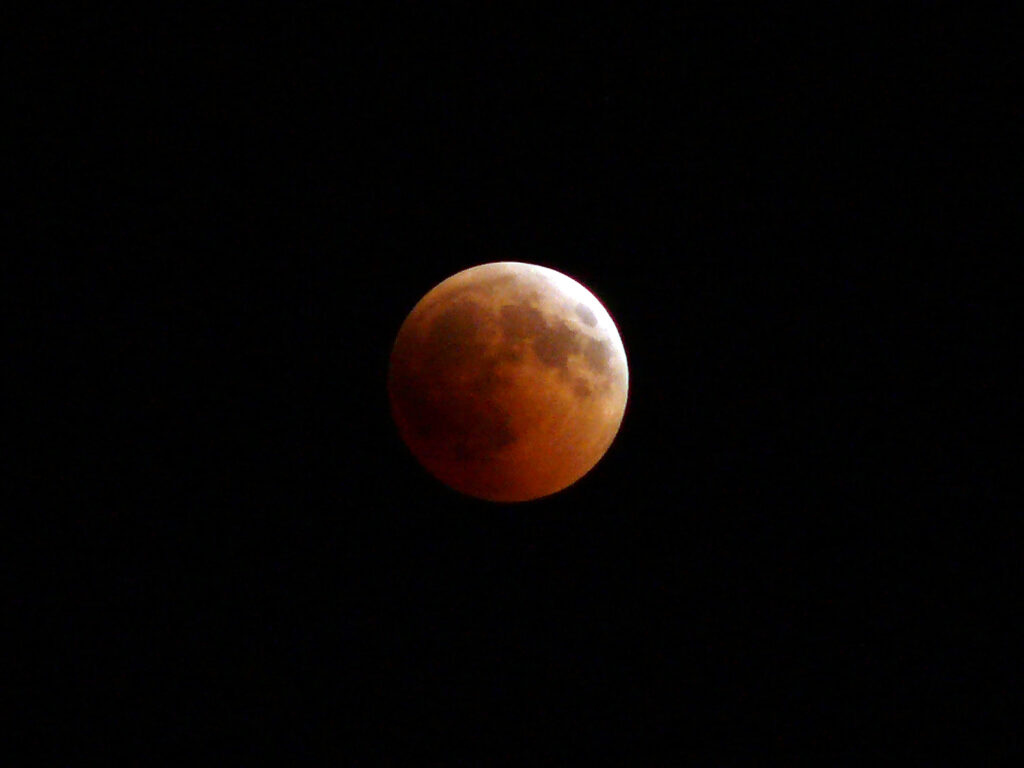
The final image in the series captures the total lunar eclipse of July 2018. During this event, the Moon moved into Earth’s shadow. It appeared as a faint red disk. This color comes from sunlight refracted through the air around the Earth, filtering through the atmosphere before reaching the lunar surface.
These images provide a visual record of how our planet’s atmosphere interacts with sunlight and shadow. The collection serves as a reminder that the Moon’s appearance is not static but changes with environmental conditions.

Source: NASA
