


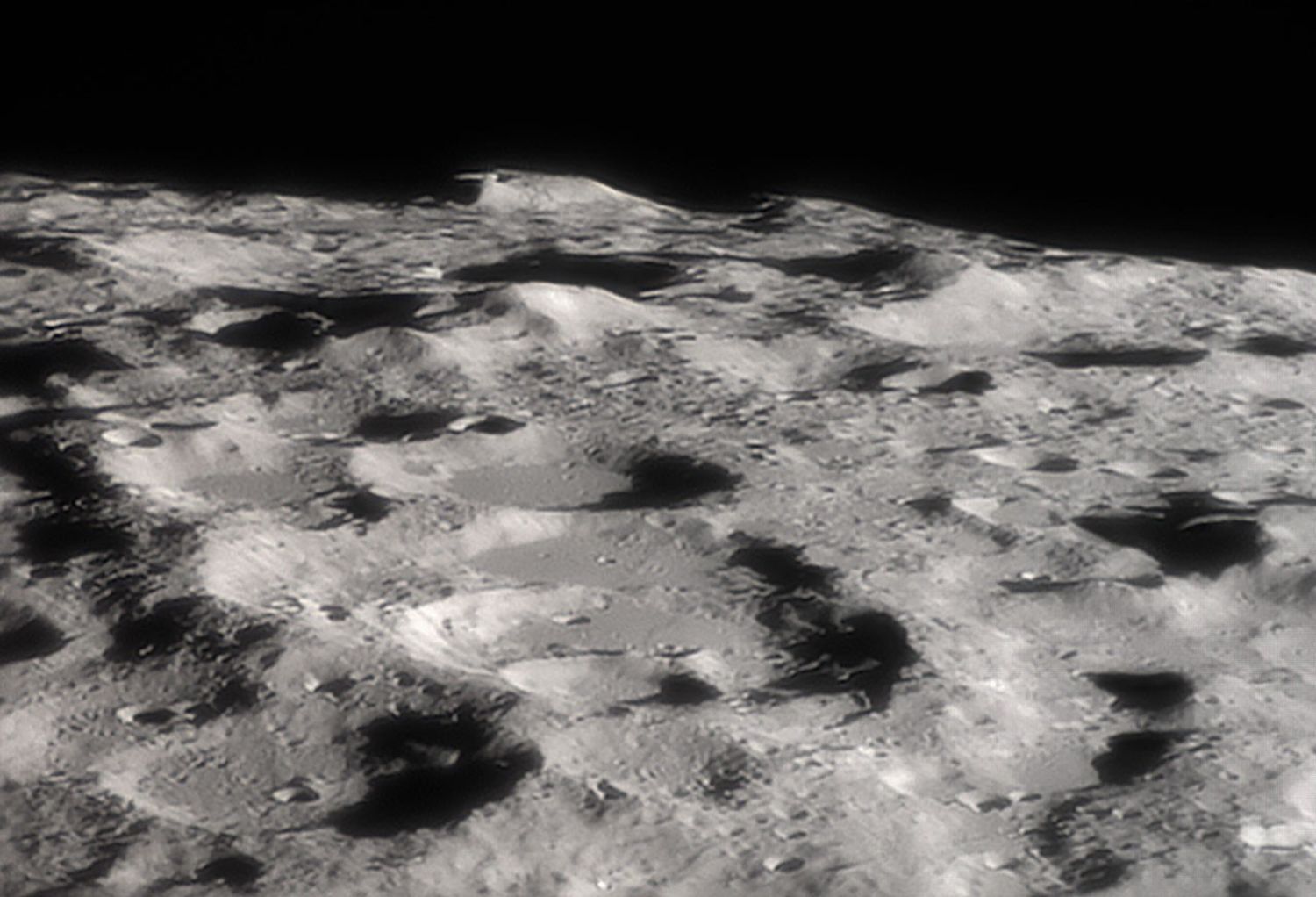
NASA’s Astronomy Picture of the Day for November 7, 2026, features a striking view of the De Gerlache-Kocher Massif, a rugged mountainous formation on the Moon. The image captures the massif looming on the visible horizon, offering a detailed look at a region that scientists consider essential for the next phase of lunar exploration.
Lunar South Pole Strategic Value
The De Gerlache-Kocher Massif rises approximately 4 kilometers above its surrounding terrain. It is situated very close to the lunar south pole, an area of intense scientific and logistical interest. This region contains permanently shadowed crater floors where temperatures remain low enough to preserve deposits of water ice. These ice deposits are critical resources for future human presence, providing potential sources for drinking water and rocket fuel.
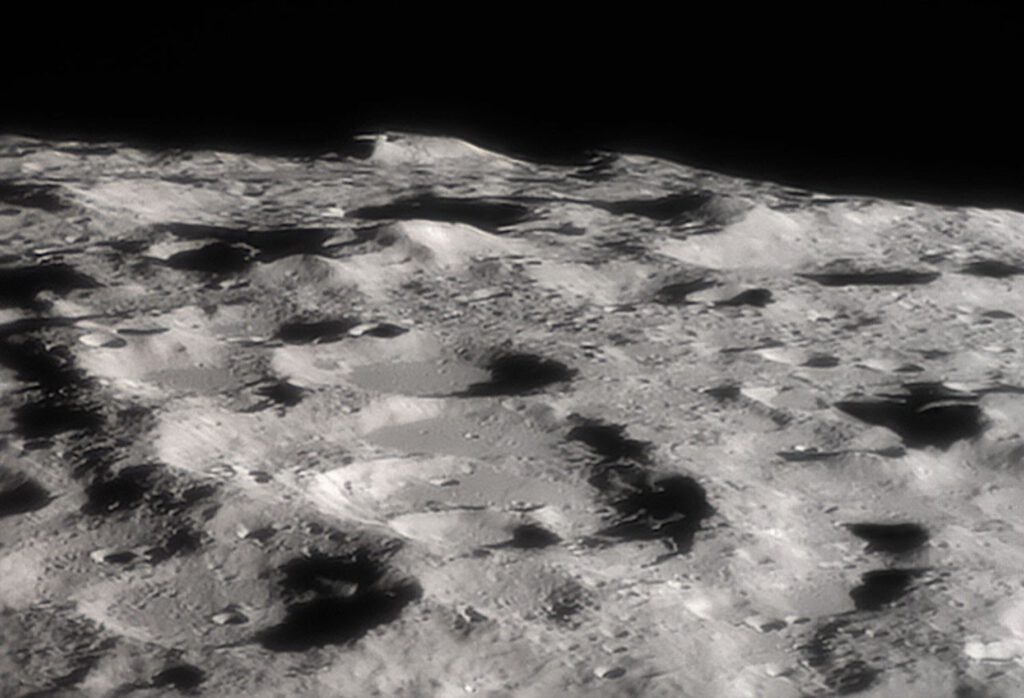
Conversely, the peaks in this area receive almost continuous sunlight. This constant illumination makes them ideal locations for solar power generation, ensuring a reliable energy supply for lunar bases. The combination of accessible water ice and steady solar energy positions the south polar region as a prime candidate for the first permanent human settlement on the Moon.
Artemis Mission Potential
The specific formation shown in the image, the De Gerlache-Kocher Massif, has been identified as a potential landing site for future crewed Artemis missions. The remarkable telescopic image was captured on October 31, 2026. A favorable libration angle, or lunar wobble, enhanced this oblique view across the Moon’s south pole, allowing observers on Earth to see the massif’s profile against the dark sky.
This visual data supports ongoing planning for Artemis missions, which aim to return humans to the lunar surface. The ability to identify and characterize specific landing zones from Earth-based or orbital telescopes helps mission planners assess safety and accessibility. The massif’s elevation and proximity to resource-rich craters make it a logical target for initial crewed operations.
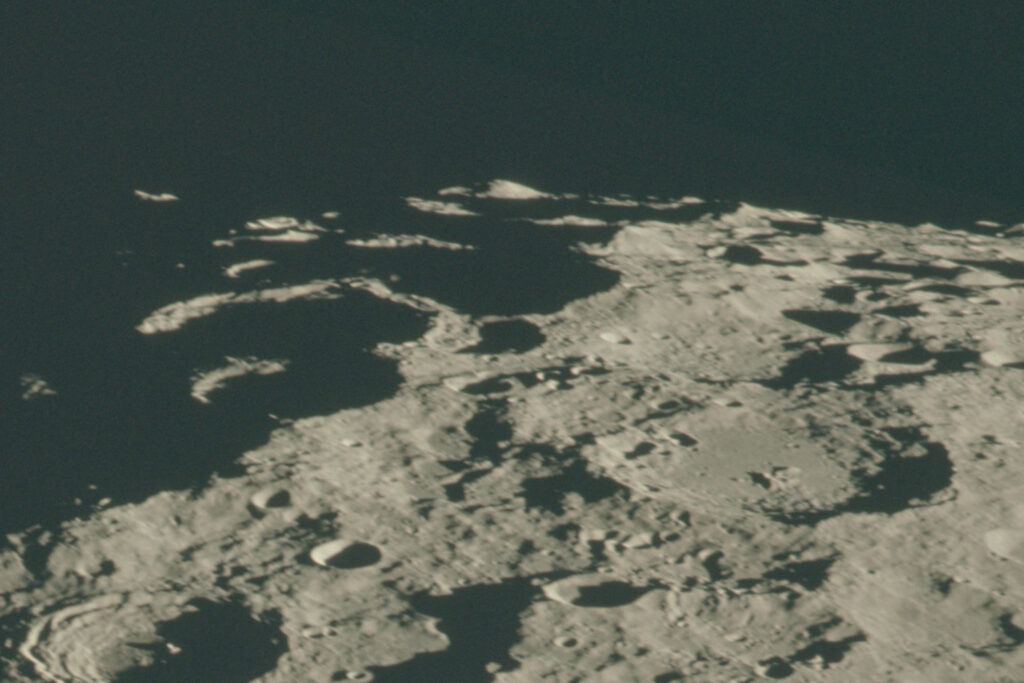
The featured image serves as a reminder of the detailed preparation required for lunar exploration. As NASA and international partners move toward sustained presence on the Moon, sites like the De Gerlache-Kocher Massif will play a central role in determining where humans will live and work beyond Earth.
Source: NASA
