


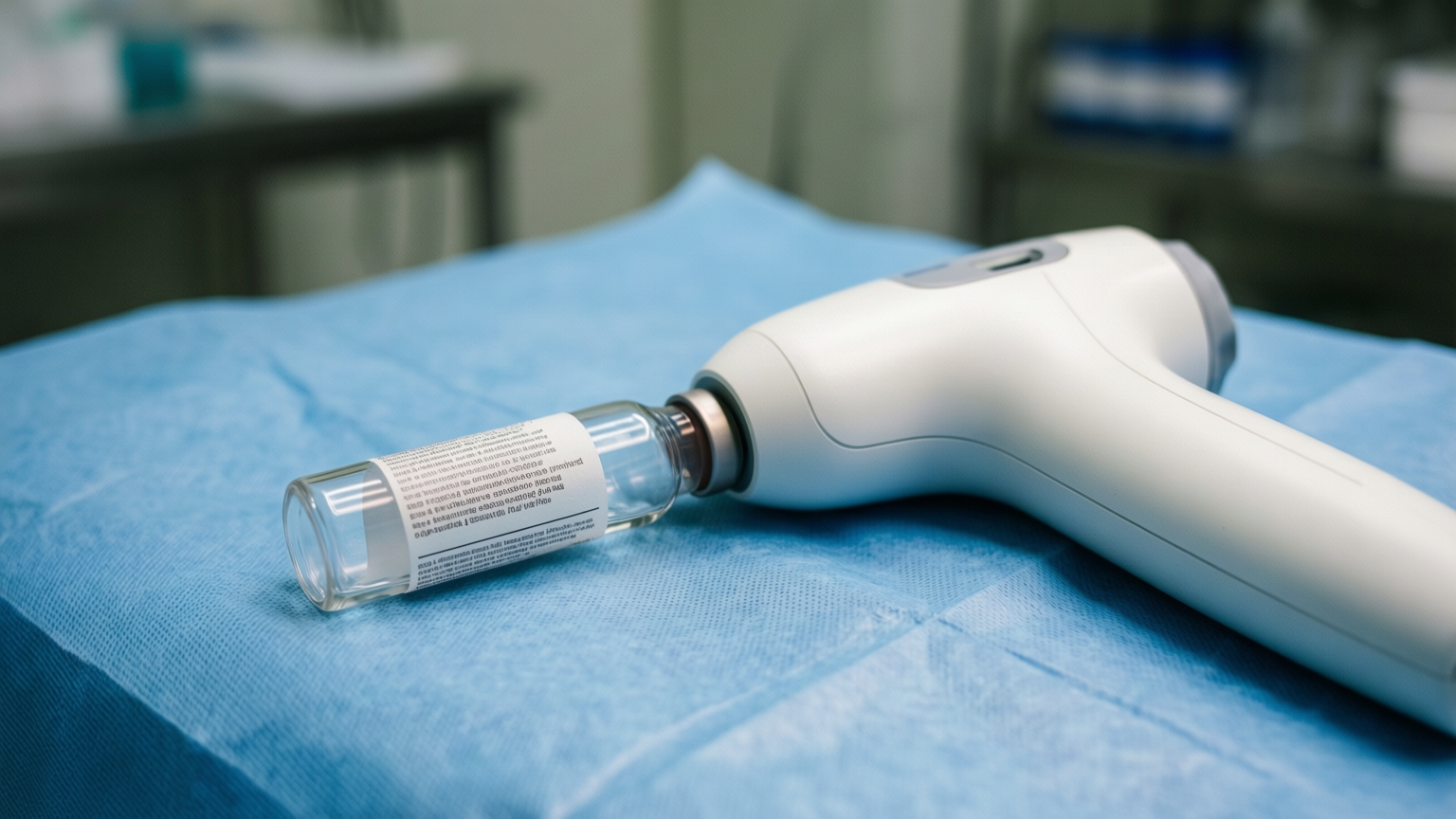
The U.S. Food and Drug Administration has granted accelerated approval for Voceryq (doruxapapogene ralaplasmid and lalikinogene sifuplasmid-gxfd), marking the first time a plasmid DNA-based immunotherapy has been authorized for use in the United States. The treatment is indicated for adults diagnosed with recurrent respiratory papillomatosis, a rare and chronic disease caused by human papillomavirus (HPV) that results in the formation of wart-like growths within the airways.
Targeting the Root Cause of RRP
Recurrent respiratory papillomatosis is driven by HPV types 6 and 11. These viruses cause papillomas to develop, most commonly around the larynx and vocal cords. The growths can lead to hoarseness, chronic cough, and in severe instances, breathing difficulties. While surgical removal is the standard care, it does not cure the underlying infection. The virus remains in the tissue, often necessitating repeated procedures over many years to manage symptoms and prevent airway obstruction.
Voceryq operates differently by engaging the body’s immune system to fight the infection at its source. The therapy consists of two plasmids, which are small circular DNA molecules. One plasmid contains genetic instructions for specific HPV proteins, while the other encodes an immune response-enhancing molecule known as IL-12. When introduced into the body, these plasmids instruct cells to produce these proteins, thereby stimulating an immune response against HPV-infected cells.
The drug is administered via intramuscular injection using the CELLECTRA 5PSP Device. This device facilitates electroporation, a process that uses brief electrical pulses to create temporary pores in cell membranes. This technique allows the plasmid DNA to enter the cells more effectively than standard injection methods alone.
Clinical Trial Results and Safety Profile
The approval was based on data from an open-label, multicenter clinical trial involving 32 adults with recurrent respiratory papillomatosis. Participants had undergone at least two surgeries to remove laryngotracheal papillomas in the 12 months prior to starting the treatment. The study focused on an intermediate clinical endpoint: the reduction in the frequency of surgical interventions required.
Among the 26 patients who had undergone at least three baseline surgeries, seven, or 27 percent, did not require any surgical intervention during the first year following Voceryq treatment. The FDA noted that this reduction in surgical burden is reasonably likely to predict clinical benefit for patients.
Common adverse reactions reported in the trial included injection site reactions, headache, fatigue, hypertension, nausea, and dizziness. The electroporation procedure itself carries specific risks, such as brief muscle contractions, temporary bleeding at the injection site, anxiety, and vasovagal reactions. Patients may also experience transient changes in creatine phosphokinase levels and skin redness at the administration site.
Karim Mikhail, director of the Center for Biologics Evaluation and Research at the FDA, highlighted the significance of this approval for a patient population with limited options. He noted that the therapy offers a potential shift from managing symptoms to addressing the underlying cause, which could mean fewer surgeries and less disruption to patients’ lives.
Inovio Pharmaceuticals, Inc. received the accelerated approval for Voceryq. The company also holds Breakthrough Therapy and Orphan Drug designations for the product from the FDA. Because the approval is granted under the accelerated approval pathway, the manufacturer is required to conduct post-approval clinical trials to verify and describe the drug’s clinical benefit.
Source: U.S. FDA
