


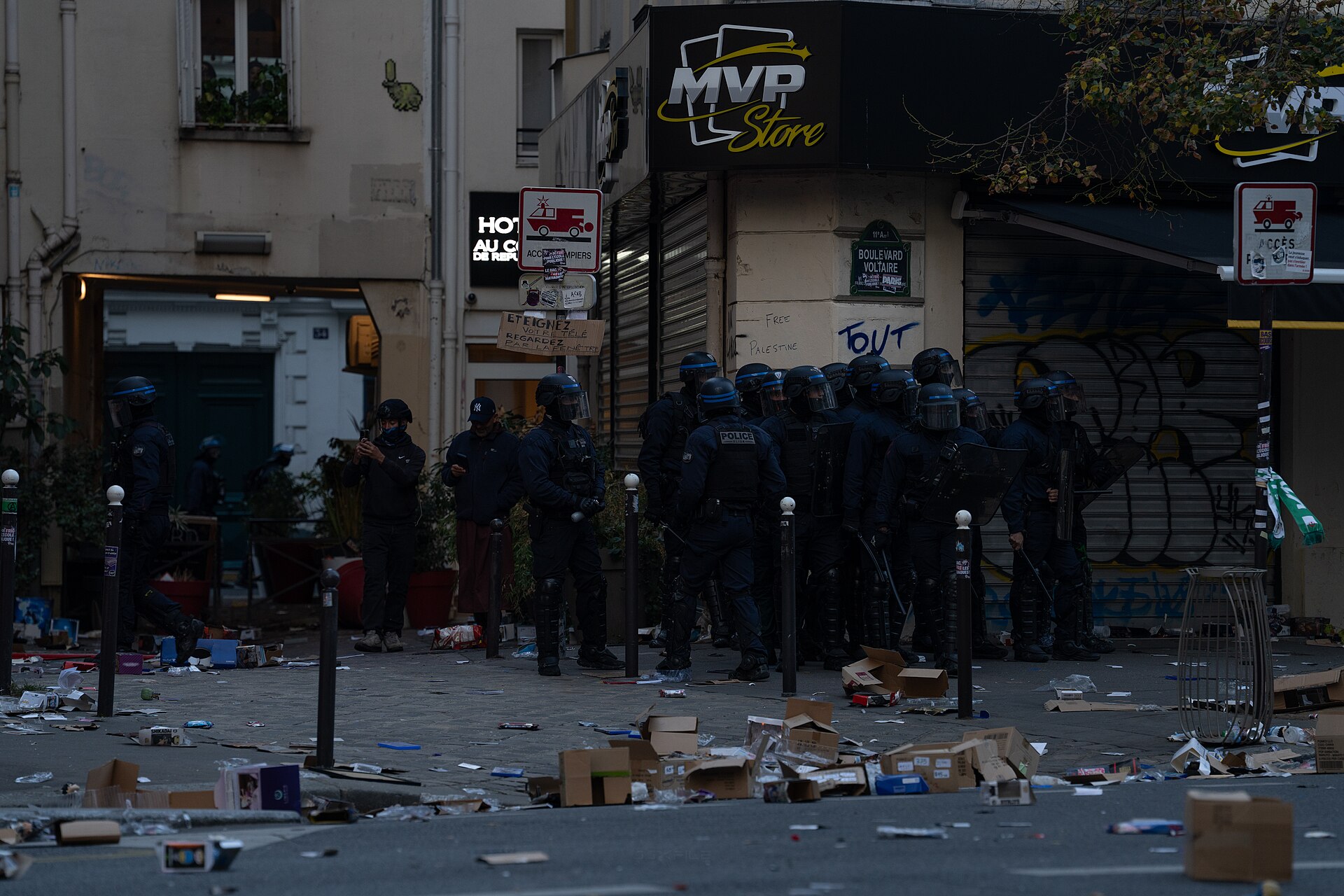
The French government entered crisis talks on Sunday following one of the most violent days of unrest in recent years. The turmoil resulted in the burning of public buildings, the destruction of hundreds of shops, and more than 2,000 arrests across the country. Politicians from both the left and the right have intensified calls for the resignation of Interior Minister Laurent Nuñez, citing a failure to anticipate the scale of the violence.
Widespread Destruction and Arrests
Emmanuel Macron, who is scheduled to step down next spring, prepared to address the nation on Sunday evening. He stated on social media that there is no place for violence in France. The interior ministry reported that approximately 600 police officers, firefighters, and paramedics were injured during the clashes. In Saint-Étienne, a 17-year-old boy lost his right hand after being struck by a crowd-control grenade.
Paris experienced what local officials described as unprecedented levels of disorder. Police recorded a record 855 arrests in the capital alone. Streets were littered with the burnt remains of barricades constructed from bicycles and bins. Smashed shop windows and torched cars remained visible on Sunday morning. Lamia El Aaraje, the Socialist deputy mayor of Paris, noted that the city had witnessed a level of violence never seen before.
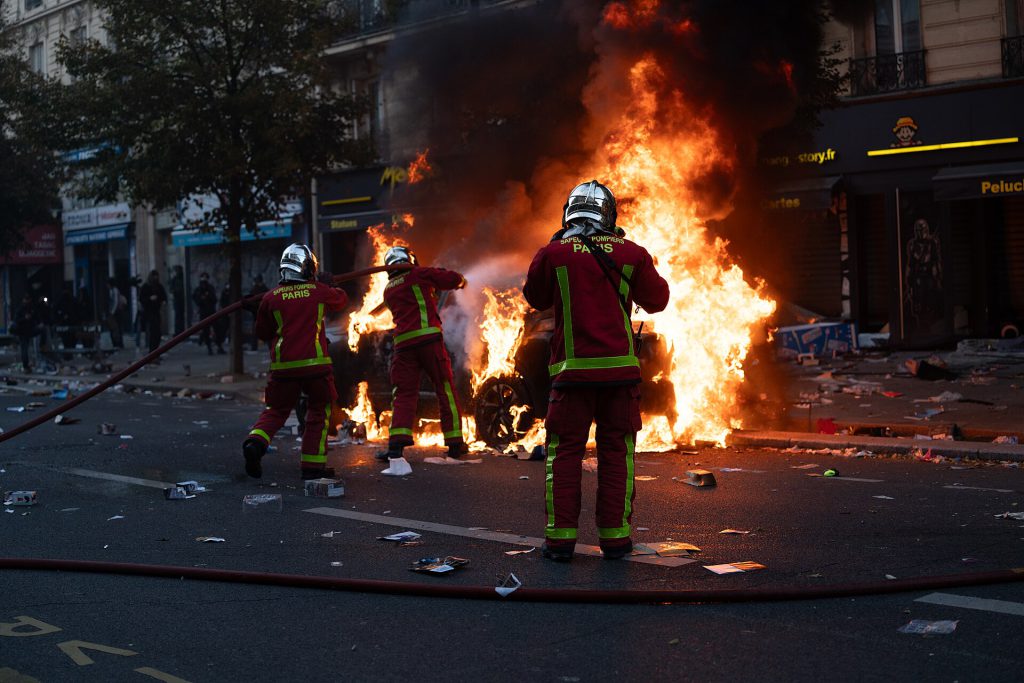
In Limoges, the 19th-century town hall was burned to the ground. Mayor Guillaume Guérin described the attackers as people organized for war rather than demonstrators defending a cause. He reported that rioters threatened a building caretaker with death and told elected officials they would be burned. Guérin called the situation a colossal failure of the state, noting that municipal police ran out of munitions and were unable to contain the violence.
Separate Waves of Protest and Looting
The unrest followed a complex sequence of events. Tens of thousands of people participated in peaceful marches in major cities including Paris, Bordeaux, Nice, and Marseille. These demonstrations supported schoolchildren demands for more teachers and repairs to dilapidated schools. Parents, teachers, and workers also joined the protests to highlight the high cost of living and the need for increased funding for public services.
Separately, different groups engaged in sporadic burning and street barricading, catching police by surprise. Masked looters then took advantage of the chaos to smash shopfronts and steal goods. In Paris, groups including some minors were seen running through the night with stolen clothing and shoeboxes after adults broke into stores. Traders unions estimated that over 1,500 shops and businesses were ransacked, causing losses running into tens of millions of euros.
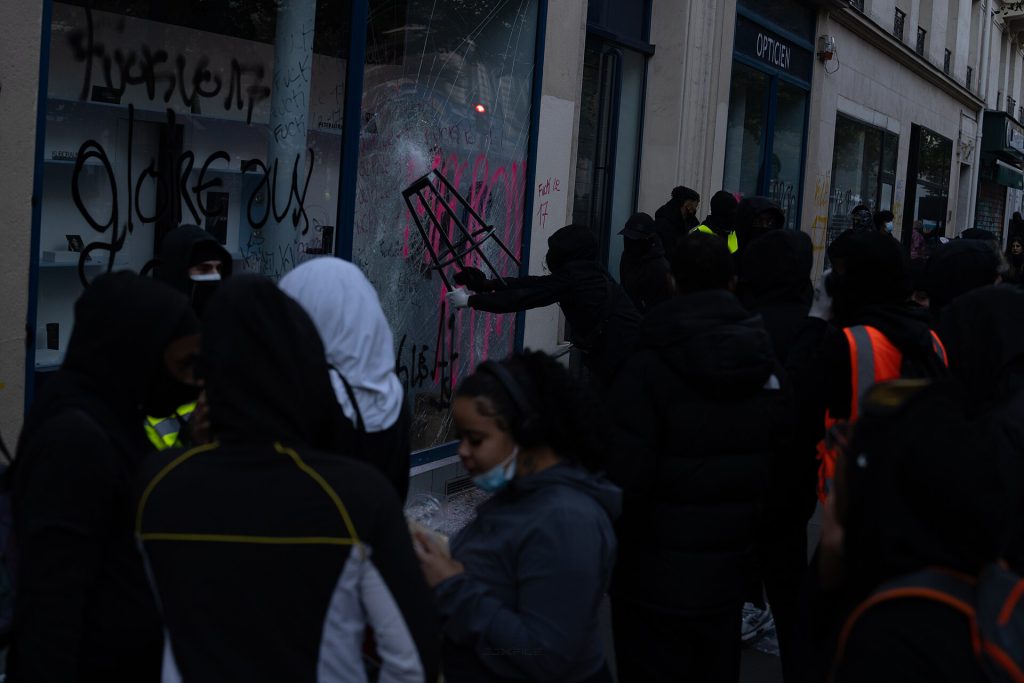
Benoît Payan, the Socialist mayor of Marseille, stated that hordes of rioters attacked city hall and a police station with no real demands other than to wreck legitimate demonstrations. He called for a review of policing tactics. Grégory Doucet, the Green mayor of Lyon, expressed shock at the violence against public property, including the torching of the historic tourist office. He urged the government to find a sense of nuance and address the roots of the violence.
Political Fallout and Blame
Prime Minister Sébastien Lecornu blamed the unrest on ultra-left groups and criminals, stating the government would not be intimidated. Both Macron’s centrist government and Marine Le Pen, the far-right presidential frontrunner, pointed to ultra-left factions as the primary instigators. Jean-Luc Mélenchon, a radical-left presidential candidate, accused the government of organizational failings that opened the door to chaos. Lecornu rejected this, calling it a cynical reversal of responsibilities.
Source: The Guardian
