


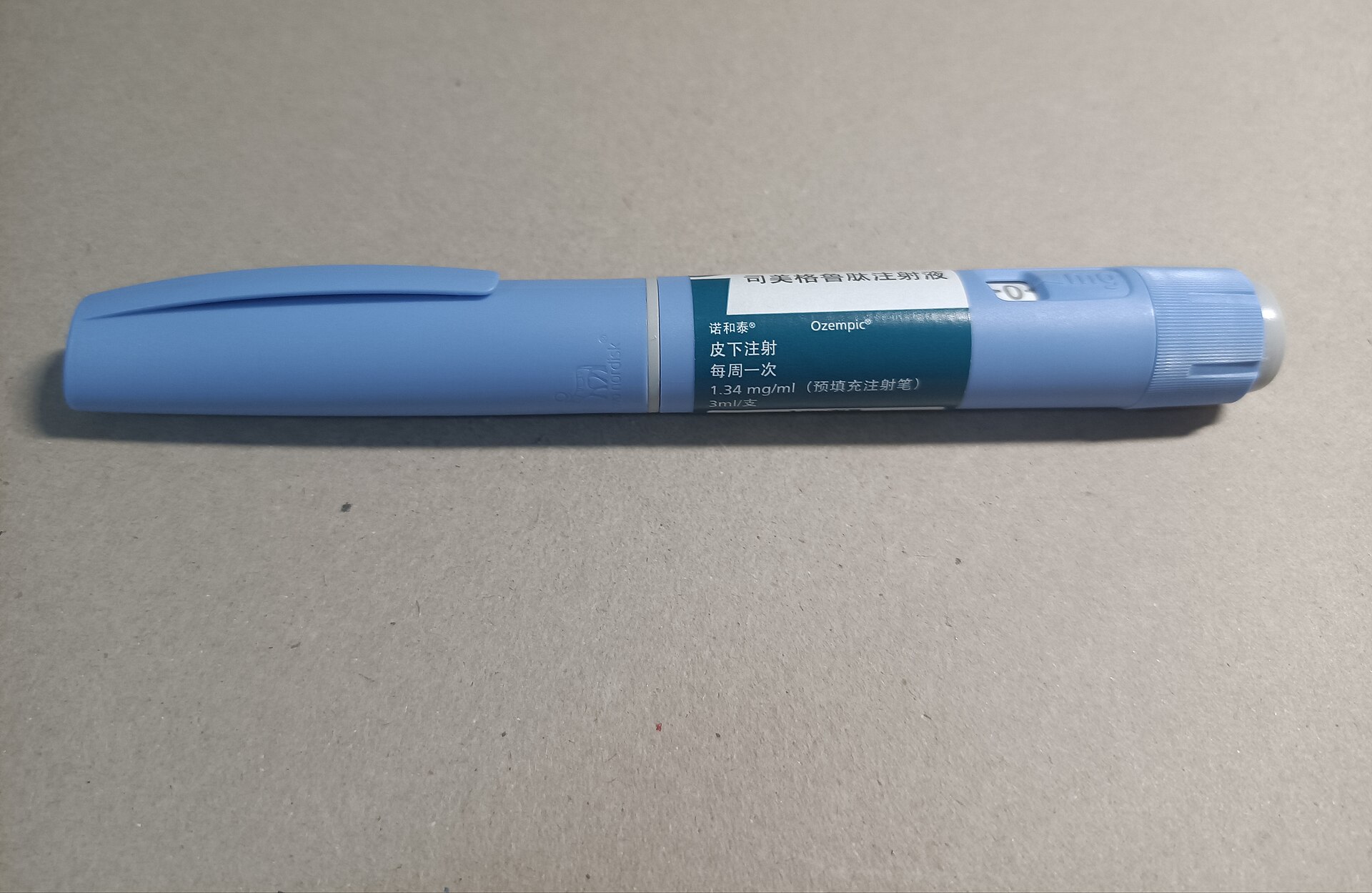
A large-scale study led by researchers at Rutgers University has identified a potential link between widely prescribed diabetes and weight loss medications and a rare eye condition that can cause sudden vision loss. The findings, published in the Annals of Internal Medicine, suggest that patients taking glucagon-like peptide-1 receptor agonists, or GLP-1s, face a slightly elevated risk of developing ischemic optic neuropathy.
Risk Increase for GLP-1 Users
The study analyzed data from a large database of US adults aged 18 to 65 with Type 2 diabetes. Researchers focused on patients who had recently started taking GLP-1 medications, a class of drugs that includes semaglutide (sold as Ozempic and Wegovy) and tirzepatide (sold as Mounjaro and Zepbound). These drugs are commonly used to manage blood sugar levels and aid in weight loss, while also offering potential cardiovascular and kidney benefits.
The analysis revealed a modest increase in the likelihood of ischemic optic neuropathy among those using GLP-1s. Ischemic optic neuropathy occurs when blood flow to the optic nerve is reduced. Because the optic nerve transmits visual information from the eye to the brain, damage to this tissue can result in significant and often permanent vision problems.
Chintan Dave, a core faculty member at the Rutgers Institute for Health, Health Care Policy and Aging Research, noted that while the condition is rare, its clinical impact is severe. “Although ischemic optic neuropathy was rare, it is clinically important because it can involve sudden vision loss,” Dave said. “The increase in risk was small — approximately three to four additional cases per 10,000 patients treated with GLP-1s over 18 months, but clinicians and patients should be aware of this potential association.”
Demographics and Symptoms
The research team, which also included Kamika Reynolds, Kimberly O’Malley, and Jason Roy, identified specific patterns among patients who developed the eye condition. Cases were more frequent among men and adults in the older segment of the study population, particularly those aged 50 to 65.
Most cases of ischemic optic neuropathy involve the non-arteritic anterior form, where blood supply to the front portion of the optic nerve becomes insufficient. This condition typically does not cause complete blindness but rather affects part of the vision in one eye. Patients may experience sudden blurriness, dimming, or missing areas in their field of view.
Recovery is not guaranteed. Approximately one-third of affected patients experience some visual improvement, usually within the first six months. However, even with recovery, some degree of visual impairment often remains permanent. Dave emphasized that early recognition of symptoms and prompt evaluation by an eye specialist are critical, especially for patients with higher baseline risks.
Need for Continued Monitoring
While the absolute risk remains low, the widespread adoption of GLP-1 medications makes ongoing safety monitoring essential. These drugs are now prescribed to millions of people, both with and without Type 2 diabetes. The growing popularity of these treatments underscores the importance of understanding their full range of potential side effects.
The researchers cautioned that the study does not prove that GLP-1 medications directly cause optic nerve damage. Other factors, such as underlying health conditions or differences in patient demographics, could contribute to the observed increase in risk. Further research is needed to determine whether the medications themselves are the primary cause of the condition.
For now, the findings highlight the importance of recognizing sudden vision changes and seeking immediate medical attention. This is particularly relevant for individuals who may already be at greater risk due to age or gender. As the use of GLP-1s continues to expand, healthcare providers and patients must remain vigilant for any signs of vision loss to ensure timely intervention and management.
Source: ScienceDaily
