


Homeowners often place houseplants on windowsills to maximize sunlight exposure, but this popular spot can become a hazard during the colder months. While the light is beneficial, the glass itself acts as a barrier to the outside elements, creating a microclimate that is significantly colder than the rest of the room. For many indoor species, particularly those native to tropical regions, this temperature drop can be fatal.
Temperature Risks for Tropical Plants
The primary issue lies in the thermal properties of window glass. In winter, the surface temperature of the glass can drop well below the ambient room temperature. When heavy curtains are drawn, they trap this cold air, effectively turning the windowsill into a cooler box. This environment creates a sharp temperature fluctuation that many plants are not equipped to handle.
Tropical species such as anthuriums and philodendrons thrive in stable, warm conditions. They are not adapted to the sudden chill that occurs near windows at night. Exposure to these cold drafts or direct contact with freezing glass can cause cellular damage to the leaves, leading to browning, wilting, or permanent tissue death. Even if the room is centrally heated, the immediate vicinity of the window remains a cold zone.
Simple Methods to Protect Foliage
Experts recommend a straightforward strategy to mitigate these risks: move sensitive plants away from the glass overnight. This simple shift allows the plants to rest in the warmer, more stable air of the room. During the day, they can be returned to the windowsill to benefit from natural light. This routine helps maintain a consistent temperature for delicate species without sacrificing their need for sunlight.
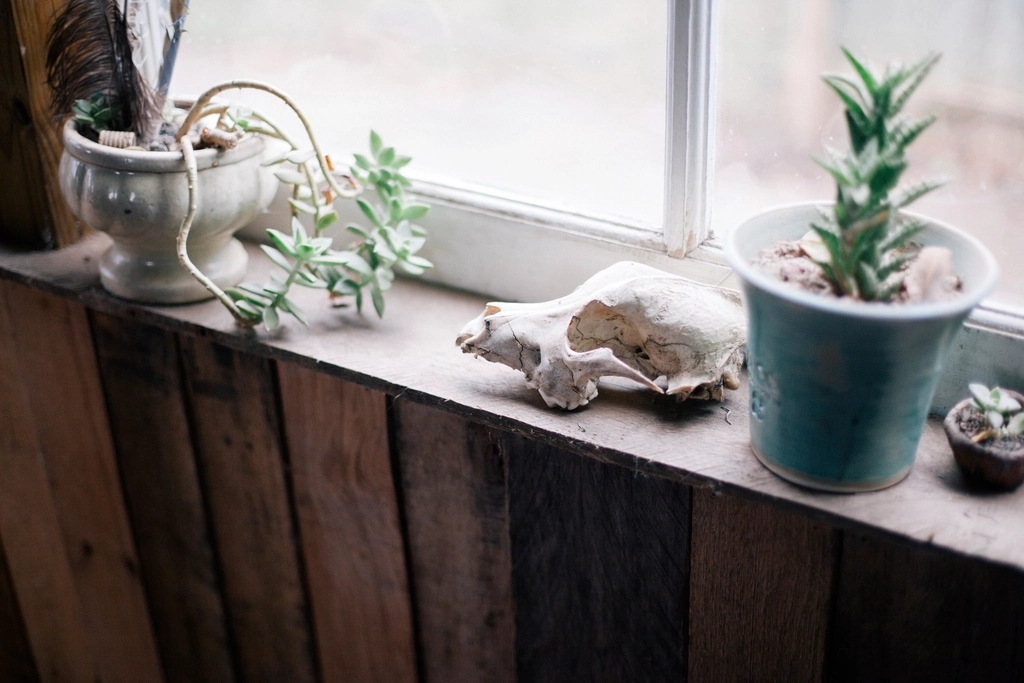
For those who prefer to keep plants on the sill, physical barriers can help. Ensuring that leaves do not touch the cold glass is crucial. If heavy curtains are used, they should be kept clear of the foliage to prevent the transfer of cold. Additionally, using a thermometer to monitor the actual temperature on the windowsill can provide valuable data. In some unheated rooms, temperatures near the glass have been recorded dropping to around 15 degrees Celsius overnight, which is too cold for many common houseplants.
Hardier plants, such as cacti and succulents, are generally more tolerant of these fluctuations and can often remain on the windowsill year-round. However, for the majority of tropical and subtropical houseplants, the extra effort of moving pots is a necessary part of houseplant care during the winter season. This practice significantly reduces the risk of leaf damage and ensures that plants remain healthy and vibrant until spring arrives.
Source: The Guardian
