


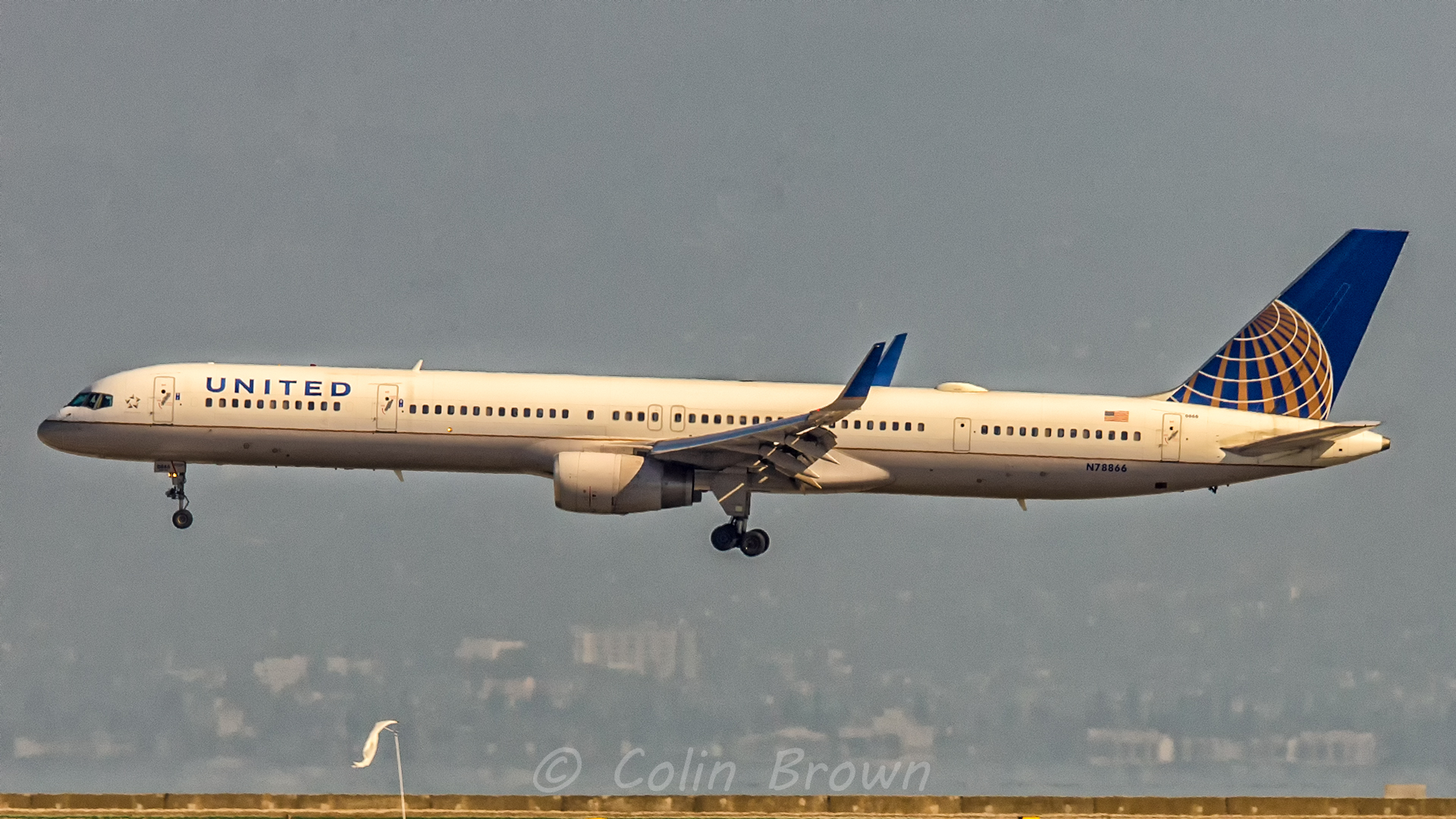
United Airlines is dramatically increasing the pace of its Starlink installation program, setting a target to equip more than 1,000 mainline aircraft with the high-speed satellite internet service by May 2027. This aggressive timeline requires the carrier to install the technology on over 20 aircraft every week across a network of 17 maintenance stations, according to reports from the View From The Wing.
The initiative marks a significant shift in how the airline approaches onboard connectivity. United is leveraging its current lead in satellite internet to attract customers from competitors, particularly Delta Air Lines, whose Amazon-based satellite internet rollout is not scheduled to begin until 2028. The airline aims to make fast, free Wi-Fi a consistent feature across its entire mainline fleet.
United Starlink Retrofit Timeline and Fleet Numbers
United is not starting from scratch with this expansion. The carrier has already equipped hundreds of aircraft, including virtually its entire United Express regional fleet. Mainline installations have accelerated throughout 2026, with the airline reporting in July that more than 450 aircraft already had Starlink. At that time, United expected to equip nearly 1,000 aircraft by the end of the year, combining both mainline and regional planes.
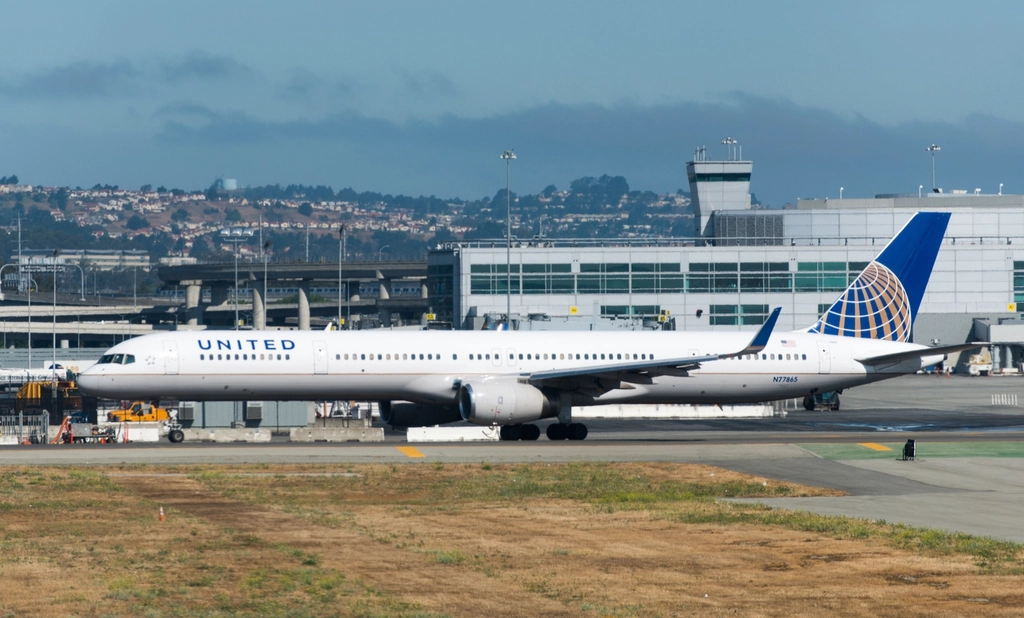
The latest goal represents a substantial acceleration from earlier plans. In June 2026, the airline targeted nearly 1,000 aircraft with Starlink by year-end, expecting roughly 60 widebody aircraft to receive the system during that calendar year. The current plan focuses specifically on mainline aircraft, which are the larger jets used for long-haul and international routes.
Independent tracking data highlights the scale of the remaining work. The United Starlink Tracker currently lists 617 of 1,675 United aircraft as equipped. This includes 265 mainline aircraft and 352 United Express aircraft. Mainline Starlink penetration remains relatively low today, making the planned acceleration to more than 1,000 mainline aircraft in the coming months particularly ambitious.
Competitive Strategy Against Delta and American Airlines
United’s push for widespread connectivity is driven by strong customer demand and competitive pressure. The carrier’s second-quarter results showed that Starlink-equipped flights generated Wi-Fi satisfaction scores more than twice as high as aircraft using other onboard connectivity systems. This data supports the airline’s decision to prioritize the upgrade.
The airline is actively using its connectivity advantage to attract customers from rivals. United has promoted a “Switch To Better Wi-Fi” offer, allowing eligible customers with Delta or American status to receive a temporary United status match, potentially reaching Premier 1K level. This marketing message is direct, asking travelers to reconsider their loyalty by highlighting the difference between United’s existing Starlink network and competitors’ future plans.
Delta Air Lines has selected Amazon’s satellite connectivity technology for a future rollout, but deployment is not expected to begin until 2028 and will initially cover around 500 aircraft. American Airlines has announced Starlink for more than 500 Airbus aircraft beginning in 2027. Southwest and Alaska are also moving ahead with their own Starlink programs.
Impact on Passenger Experience and Widebody Fleet
For passengers, the availability of high-speed internet depends on whether their specific flight operates an aircraft that has been retrofitted. United’s regional fleet is already much further ahead in the upgrade process. The airline’s first Starlink-equipped widebody entered transatlantic service in June 2026. United expects to equip its entire widebody fleet next year.

The airline is betting that reliable, high-speed Wi-Fi can influence where customers choose to fly. This is particularly important for business travelers and frequent flyers who value the ability to work, stream, and remain connected throughout a journey. Starlink is becoming a crucial part of United’s broader strategy to strengthen its product and win brand-loyal customers.
If the airline maintains a pace of more than 20 mainline installations every week, its May 2027 target could transform Starlink from a common feature into a defining characteristic of the United fleet. The success of this rollout will depend on the efficiency of the 17 installation locations and the ability to work on aircraft during scheduled maintenance opportunities.
Source: Simple Flying
