


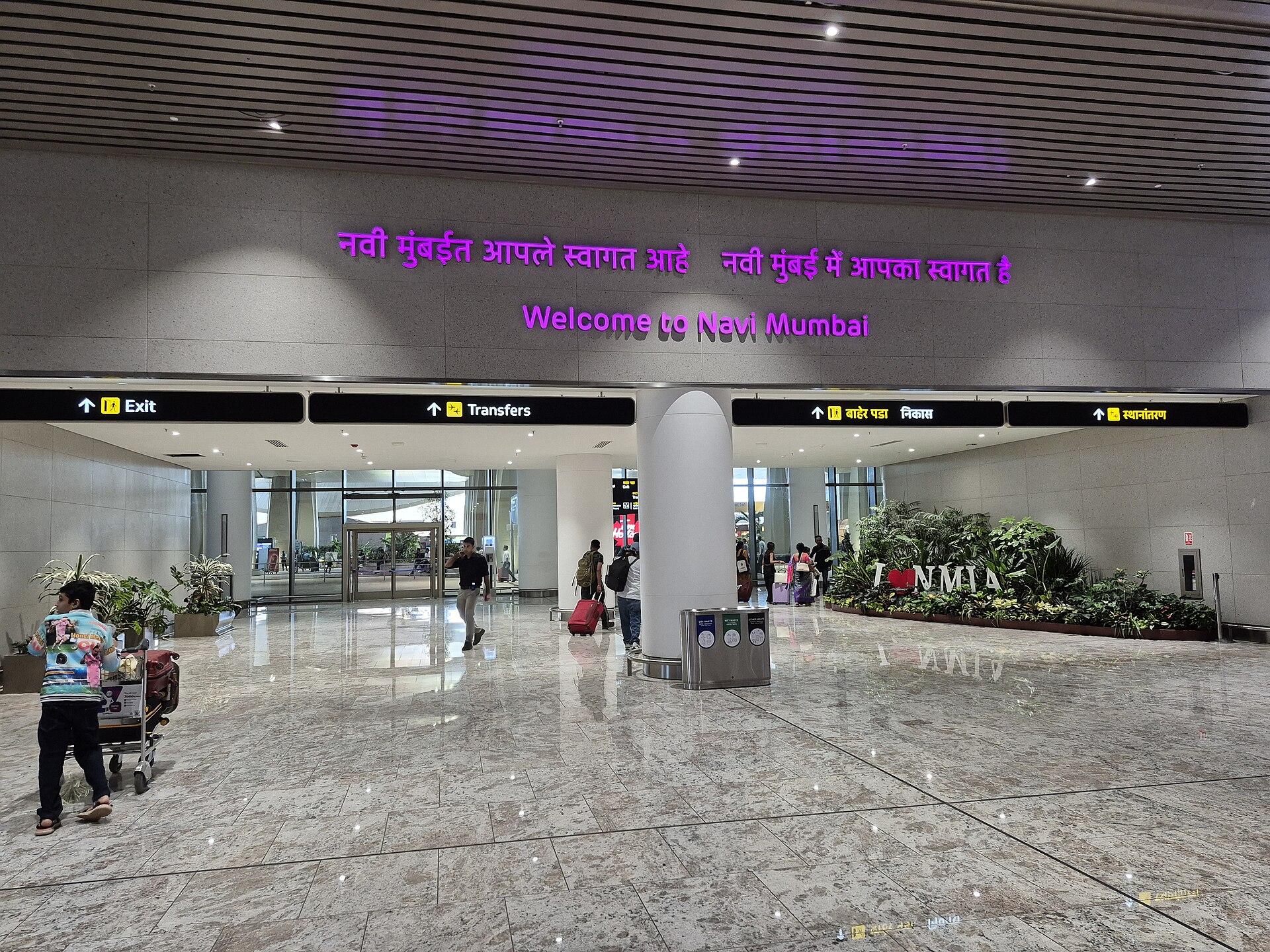
India’s civil aviation ministry has intervened to pause a controversial plan to shift international flights from Mumbai’s Terminal 2 to the new Navi Mumbai International Airport. The decision provides airlines and Adani Airport Holdings with additional time to negotiate a transition strategy, effectively halting an immediate reduction in international departure slots.
The directive follows a roughly 90-minute meeting in New Delhi on Tuesday. During this session, representatives from the ministry, Adani Airport, the Airports Authority of India, the Federation of Indian Airlines, and major Indian carriers discussed the logistics of the proposed changes. The meeting occurred on the same day that airlines faced a 4 p.m. deadline to inform Mumbai International Airport (MIAL) which specific flights they were willing to relinquish.

Adani Airport Holdings Proposes Slot Reductions
Mumbai International Airport had initially proposed cutting 265 of its 770 weekly international departure slots starting October 25. The goal was to free up capacity for domestic airlines displaced by the redevelopment of Terminal 1. Adani Airport Holdings, the owner of both Mumbai and Navi Mumbai airports, stated that the redevelopment project, which affects approximately 5 million passengers, could not be deferred further due to the deteriorating condition of the existing terminal.
The proposed cuts would have significantly impacted the international operations at Terminal 2. Airlines argued that winter schedules were already finalized, with aircraft, crews, and sold tickets committed to the current setup. They raised concerns that splitting international operations between two airports located 35 to 40 kilometers apart would complicate passenger connections and increase operational costs.
Navi Mumbai Airport Readiness and Incentives
While the immediate cuts are on hold, the broader strategy to move operations to Navi Mumbai remains intact. The ministry has requested a firm roadmap from the airlines and Adani Airport, with follow-up meetings scheduled for October 13 and another expected by October 20 to finalize the transition plan.

Adani Airport Holdings has been actively promoting the readiness of Navi Mumbai International Airport to handle the influx of international traffic. The new facility boasts a capacity for 5 million international passengers annually, an 80-room transit hotel, and an expanded road network designed to facilitate easier access. To encourage airlines to make the move, Adani has proposed lower landing fees and offered to cover the difference in User Development Fees, a financial incentive that is still under review by the ministry.
Navi Mumbai has emphasized its infrastructure capabilities, including the transit hotel and road connectivity, as key advantages for international carriers. However, the airport currently lacks the established international passenger base that Mumbai Terminal 2 has built over decades. The ministry’s intervention suggests a desire to ensure a smoother transition that minimizes disruption for both airlines and travelers.
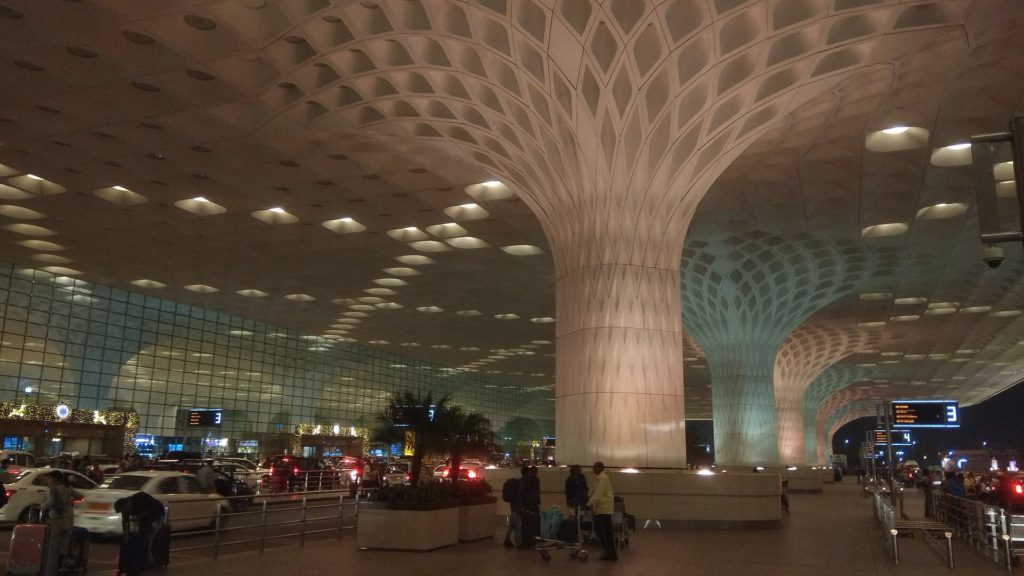
The pause in the Mumbai flight cuts allows stakeholders to work out the logistical details without the pressure of an immediate deadline. Airlines will use this time to assess the financial and operational implications of moving to Navi Mumbai, while Adani Airport continues to prepare the new facility for its expanded role in India’s aviation network.
Source: Skift
