


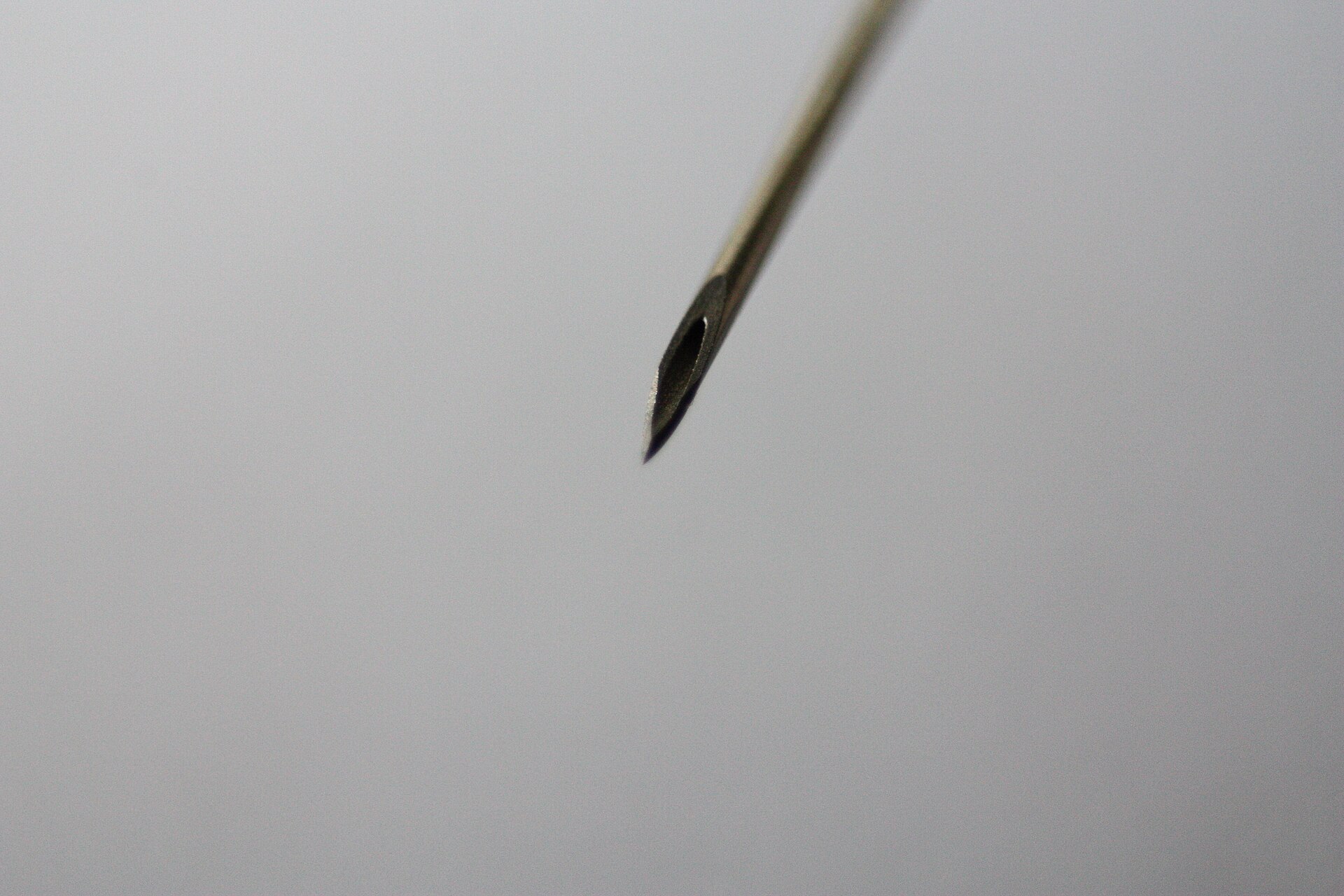
Researchers at NYU Abu Dhabi and Cleveland Clinic Abu Dhabi have developed a miniature medical device capable of regulating nerve activity through injection rather than surgery. The technology, described in a recent study published in Science Advances, offers a potentially less invasive alternative for treating chronic pain and movement disorders.
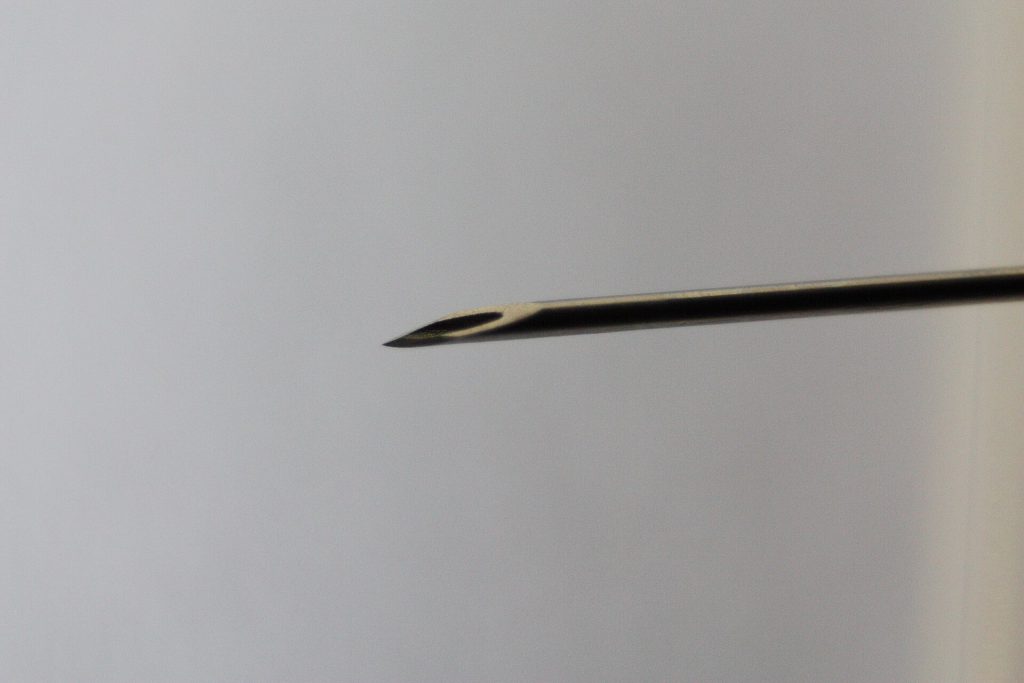
The device is roughly the size of a small seed. It is delivered through a standard needle and positioned close to a specific nerve. Once in place, it sends carefully controlled electrical signals that alter the nerve’s activity. Power is supplied wirelessly from outside the body, allowing doctors or patients to adjust the stimulation in real time.
NYU Abu Dhabi Seed-Sized Implant
Current treatments for nerve-related conditions often involve medications or surgically implanted devices that require batteries and connecting wires. This new approach removes those barriers. The device operates without internal power sources or physical connections, reducing the complexity of the procedure.
Prof. Khalil Ramadi, Assistant Professor of Bioengineering at NYU Abu Dhabi and NYU Tandon, emphasized the shift in treatment methodology. “This work represents a shift in how we think about treating nerve-related conditions,” Ramadi said. “By creating a device that can be injected rather than surgically implanted, we are making these therapies simpler, safer, and more accessible, while still maintaining precise control over nerve activity.”
The device provides programmable electrical stimulation. This means the signals it delivers can be adjusted to suit a patient’s specific needs. Healthcare providers can modify the intensity and frequency of the stimulation to manage conditions involving abnormal or unwanted nerve activity.
Imaging and Preclinical Testing Results
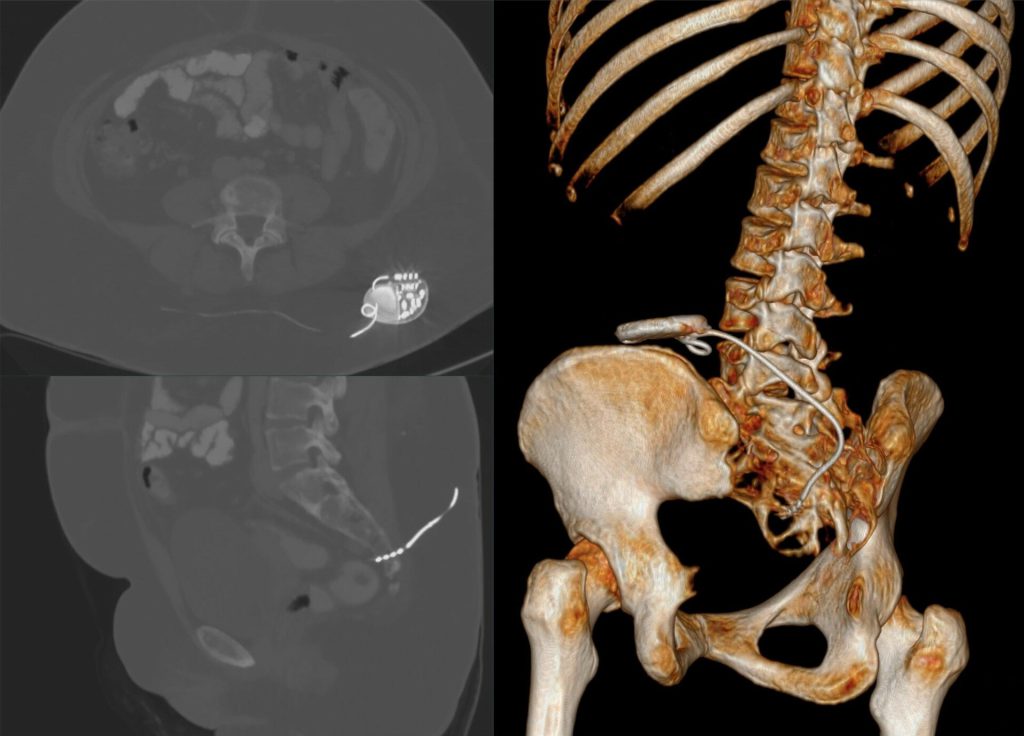
A key advantage of this technology is its visibility during medical imaging. Doctors can locate and monitor the device using familiar techniques, including ultrasound and computed tomography (CT) scans. These methods help guide placement near the intended nerve and allow the device’s position to be checked afterward.
The research team evaluated the technology through laboratory experiments and preclinical testing. Their results showed that the miniature device could deliver precise nerve stimulation while maintaining consistent performance under conditions designed to resemble real-world use. The team also demonstrated that the device could successfully activate nerves in vivo, meaning within a living organism rather than only in an isolated laboratory setting.
Dr. Mohamed Elsherif, Research Associate at NYU Abu Dhabi and the study’s first author, noted the potential impact on patient care. “This technology has the potential to bridge the gap between non-invasive therapies and traditional implants,” Elsherif said. “It opens the door to treatments that are both effective and easy to deliver, which could significantly improve patient care.”
Dr. Sawsan Abdel-Razig, Chief Academic Officer at Cleveland Clinic Abu Dhabi, highlighted the collaborative nature of the project. “This collaboration with NYU Abu Dhabi reflects our commitment to advancing innovative, clinically relevant research that translates into meaningful improvements in patient care,” she said. “By bringing together multidisciplinary expertise, this work highlights how academic partnerships can accelerate the development of safer, less invasive therapies and expand access to advanced treatments for patients.”
Although the device has demonstrated promising results in early testing, its ability to relieve chronic pain or improve movement disorders in human patients has not yet been established. If further research confirms its safety and effectiveness, the technology could reduce the need for more invasive procedures. Avoiding surgical implantation could also help decrease procedure-related risks and shorten recovery times.
Additional contributors to the study from NYU Abu Dhabi included Salma Mansour, Zhansaya Makhambetova, Fotoon Aldhanhani, Batoul Khlaifat, Mahmoud Elbeh, Vega Pradana Rachim, and Sohmyung Ha. The Cleveland Clinic Abu Dhabi co-authors were Hicham Abada, Juan S. Barajas-Gamboa, and Carlos M. Abril Vega.
Source: ScienceDaily
