


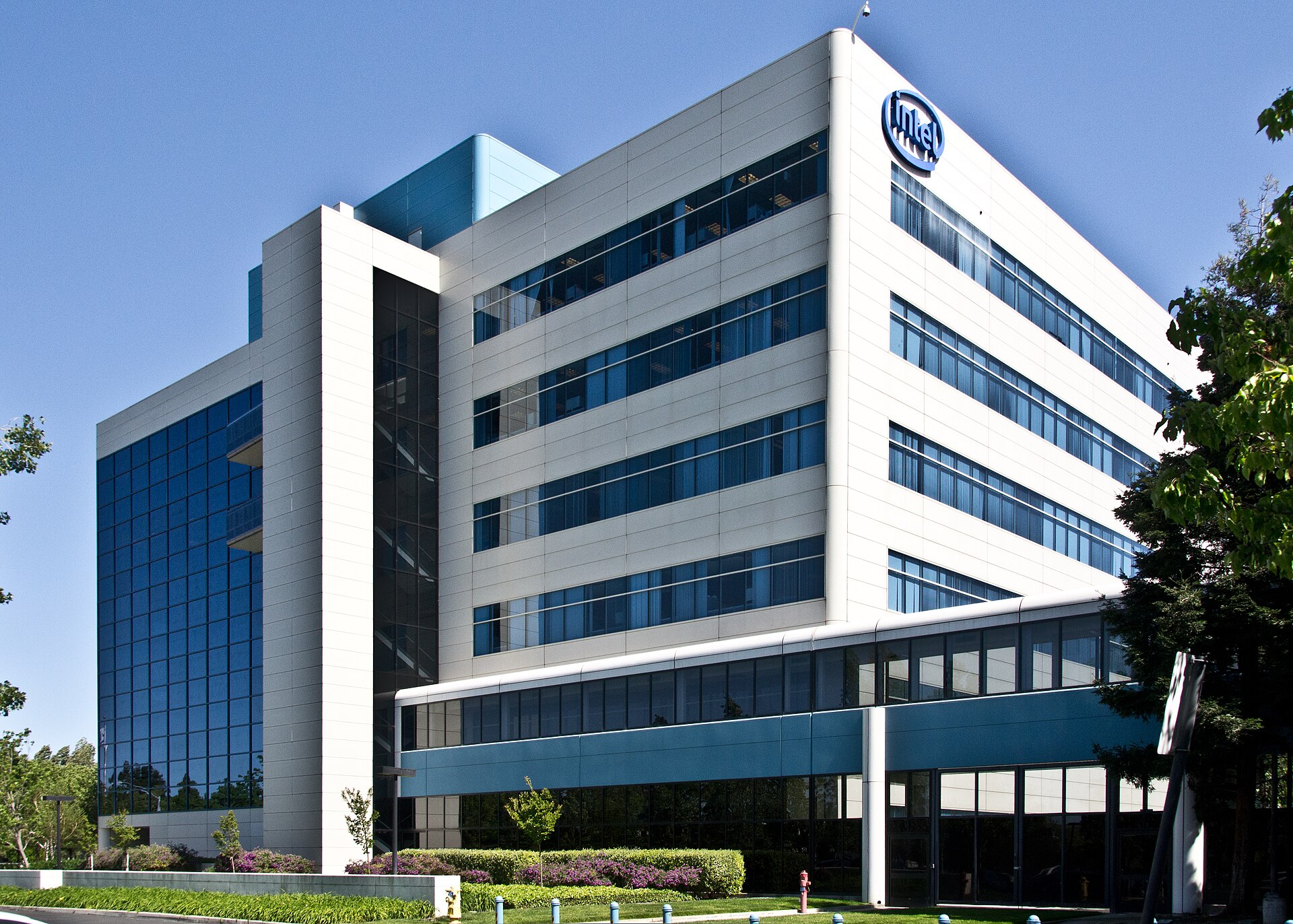
Intel shares suffered one of their worst days in recent history on Friday, dropping approximately 28% after the chipmaker reported a weaker-than-expected outlook for the fourth quarter. The sharp decline significantly impacted the value of the U.S. government’s 10% stake in the company, which CNBC reported was reduced by $12 billion.
The sell-off was triggered by Intel’s warning that fourth-quarter revenue would fall between $15 billion and $16 billion. Analysts had projected revenue closer to $17 billion. The company also indicated that its gross profit margin would shrink to 37% from 43%, and that heavy investment spending would result in negative cash flow for the period.
Government Stake and Industry Impact
The Trump administration acquired its 10% stake in Intel over a year ago. Despite the recent plunge, the investment remains profitable for the government, with shares up more than 70% for the year. Nvidia, which also acquired a significant stake in Intel in 2025, saw its own stock drop slightly during the same trading session.
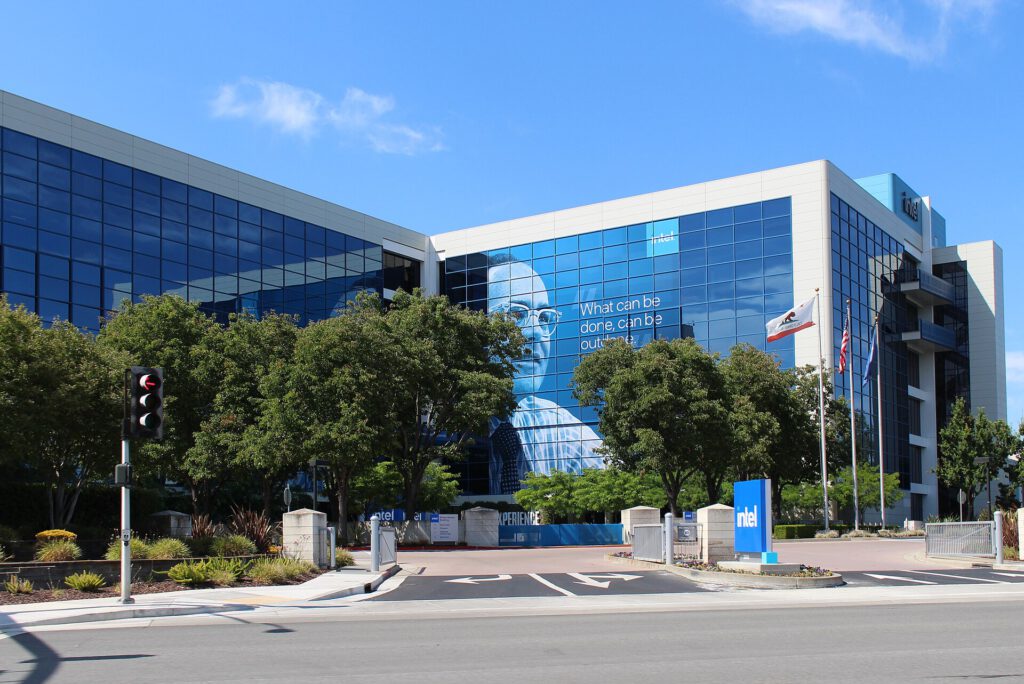
The rout extended beyond Intel, affecting much of the technology sector. Chipmakers were particularly hard hit by the broader sell-off, as investors reacted to the company’s cautious financial projections and the challenging macroeconomic environment facing the industry.
PC Sales and Memory Constraints
A primary driver of Intel’s downward guidance is a slowdown in personal computer sales. The AI industry’s demand for memory and other components has driven up PC prices, placing additional pressure on corporate IT budgets. Intel CEO Lip-Bu Tan highlighted these challenges during the earnings call, noting that customers had already signaled a decline in demand.
“Our customers began signaling a PC slowdown based on the memory prices and availability,” Tan said. “Year-to-date system endpoint prices have increased significantly, placing additional pressure on already limited IT budgets.”
While the PC market faces headwinds, Intel’s data center business showed strong growth, with revenue increasing 78% compared to the same quarter last year. However, the company’s ability to capitalize on this growth is limited by manufacturing capacity constraints. Intel is competing with Taiwan Semiconductor Manufacturing Co, a dominant player in the semiconductor foundry market.
One of Intel’s new fabrication plants in Arizona is currently operational, but the next facility is not expected to come online until 2028. This timeline limits the company’s ability to book more external customers and expand its manufacturing footprint in the near term.
Source: TechCrunch
