


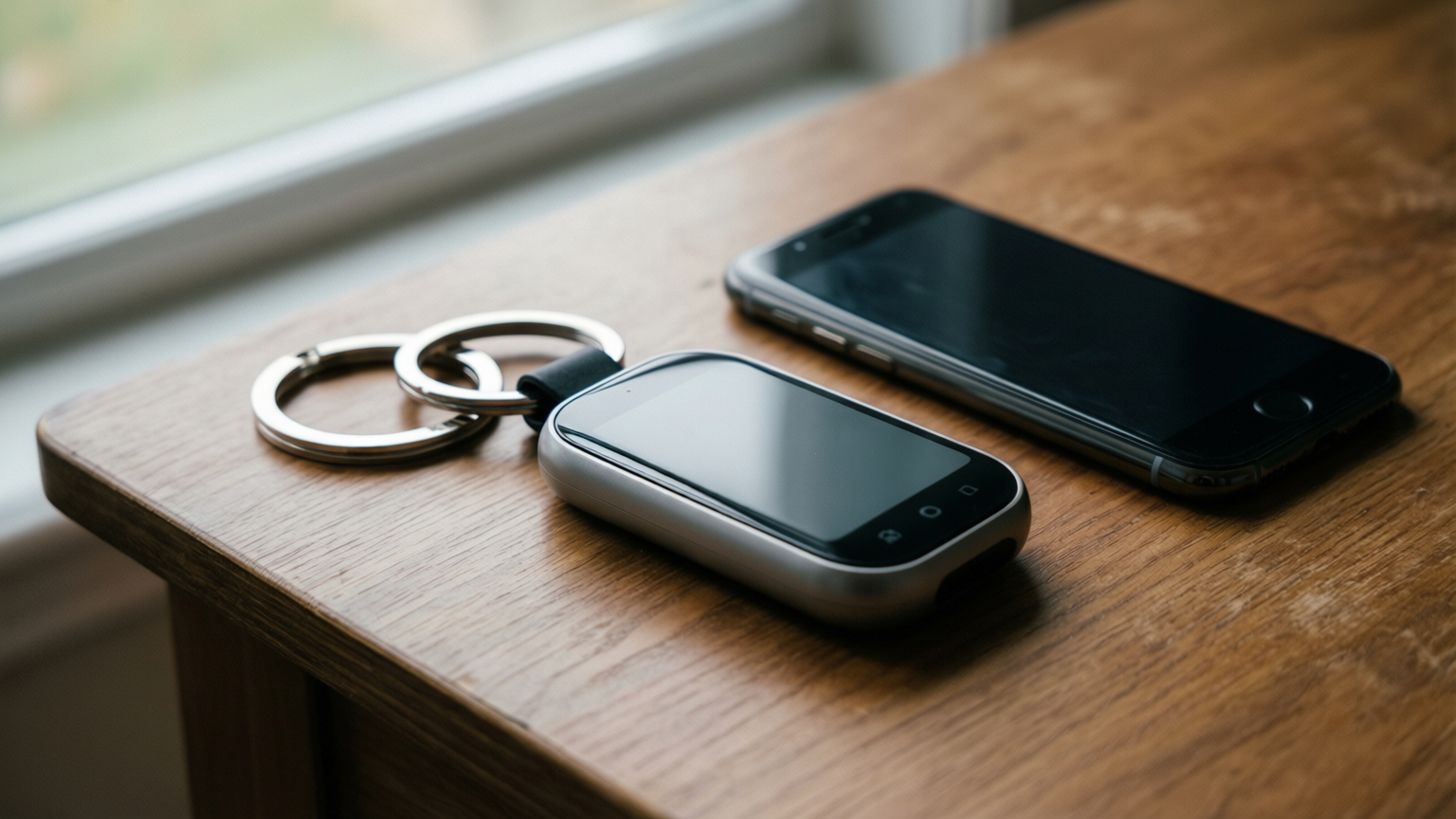
Meta is preparing to launch its standalone artificial intelligence hardware, the Muse Charm, with a retail price of $300. The device, which allows users to interact with the company’s Muse AI agent without a smartphone, will reportedly include up to 12 months of free 5G data from Verizon, according to a report by The Information. The gadget was first introduced at Meta Connect in September as a keychain-sized companion for the AI service.
Muse Charm Pricing and Connectivity
The $300 price point positions the Muse Charm as a premium accessory for Meta’s growing ecosystem of AI tools. The inclusion of Verizon connectivity addresses a common hurdle for standalone wearable devices: the need for a constant internet connection to function effectively. By bundling a year of cellular data, Meta removes the immediate friction of setting up a separate data plan for new users.
CEO Mark Zuckerberg described the device during the September announcement as a way to carry the entire Muse experience in a pocket. He noted that the gadget contains the real-time voice and avatar stack found in the software version of the agent. To ensure secure access, the hardware features a fingerprint reader that verifies the user’s identity before allowing commands to be processed.
Strategic Push for Direct Customer Access
The release of the Muse Charm represents a significant shift in Meta’s hardware strategy. Currently, most interactions with Meta’s services occur through apps on iOS and Android devices, where Apple and Google enforce their own rules and take a cut of transactions. By creating a dedicated hardware interface for its AI agent, Meta aims to establish a direct relationship with customers that bypasses these mobile operating system gatekeepers.
This move aligns with broader efforts to monetize the Muse platform beyond traditional advertising. The company is developing commerce tools that would allow it to charge businesses a fee when users make purchases through the AI agent. Zuckerberg has previously stated his belief that the agent could eventually generate more revenue per user than Meta’s existing social media applications.
Meta is also expanding the accessibility of the Muse brand through open-source guides released in October. These resources allow developers to build their own compatible gadgets, leveraging the popularity of the Muse avatar which has already attracted more than 10 million users. The company recently expanded software availability with apps for Wear OS and watchOS, though reports indicate that Meta’s own smartwatch hardware has been delayed until 2027.
Engadget has contacted Meta for comment regarding the reported pricing and Verizon partnership. The company has not yet officially confirmed the final retail details or the specific terms of the data inclusion.
Source: Engadget
