


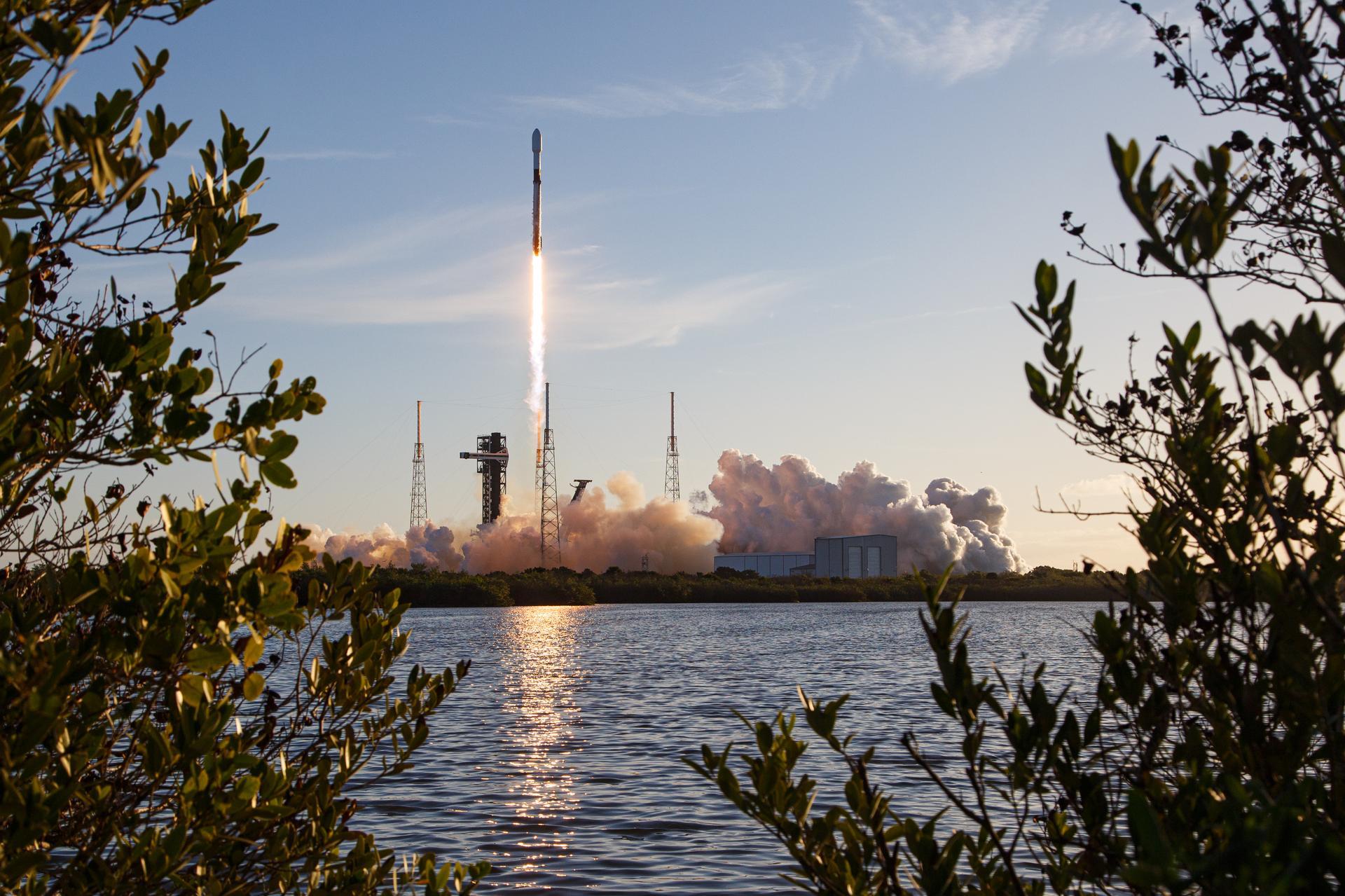
NASA, Northrop Grumman, and SpaceX have set a launch window no earlier than 10:47 a.m. EST on Sunday, Nov. 29, for the next commercial resupply mission to the International Space Station. The mission, designated Northrop Grumman CRS-25, will transport approximately 11,000 pounds of science investigations, supplies, and equipment to the orbiting laboratory.
The cargo will be carried by the Northrop Grumman Cygnus XL spacecraft, mounted atop a SpaceX Falcon 9 rocket. Liftoff is scheduled from Space Launch Complex 40 at Cape Canaveral Space Force Station in Florida. This mission marks another step in the agency’s ongoing reliance on commercial partners to maintain the station’s operations and scientific output.
Cygnus XL Arrival and Unloading
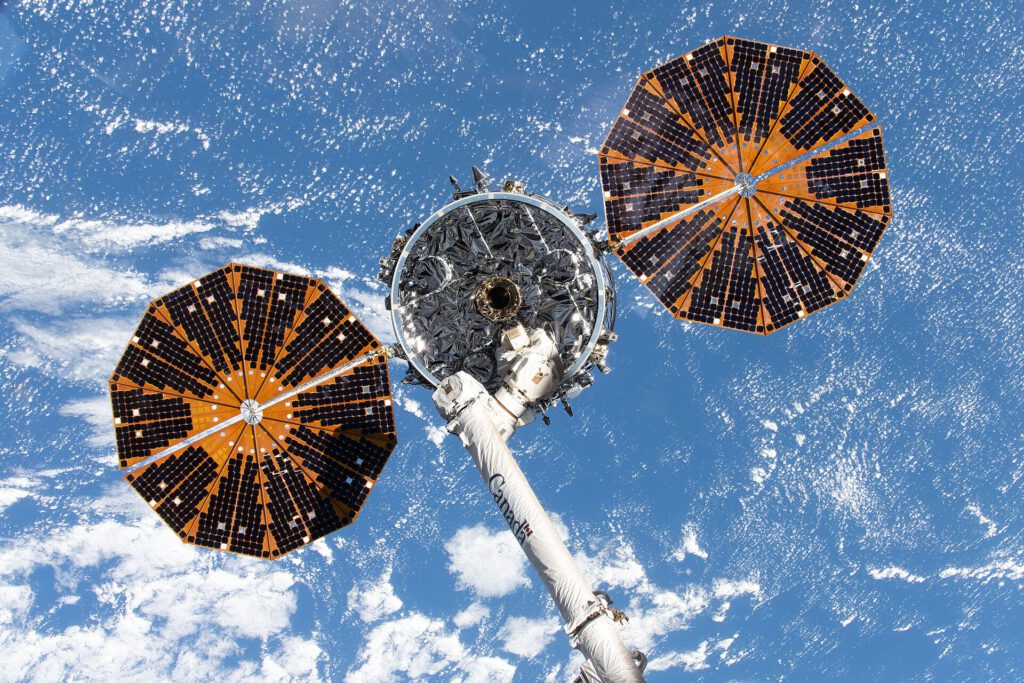
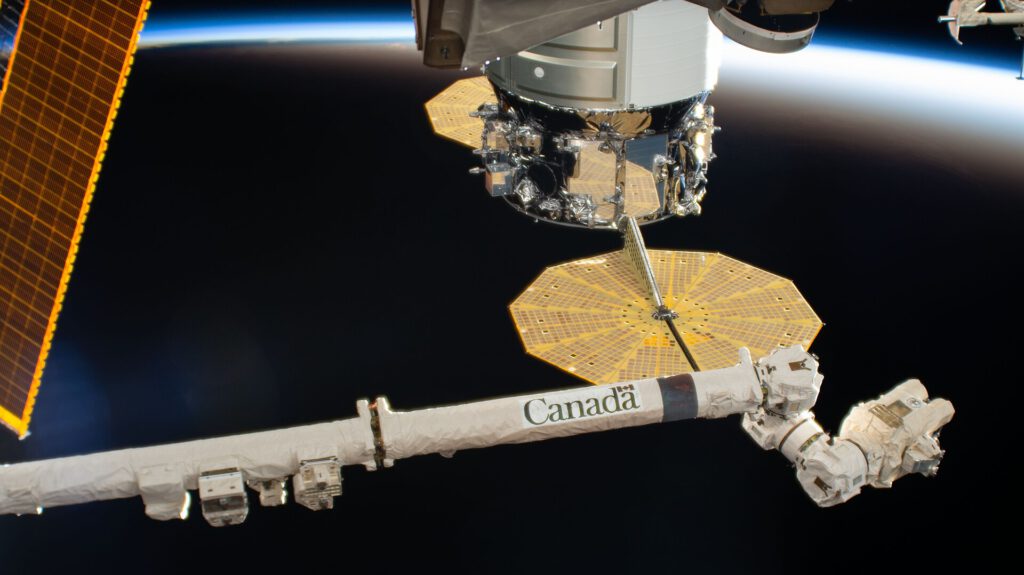
Following the launch, the spacecraft will travel to the space station for a scheduled docking on Tuesday, Dec. 1. Astronauts Jessica Watkins and Luke Delaney, who are currently living and working aboard the station, will use the Canadarm2 robotic arm to capture the vehicle. Ground controllers will then guide the Cygnus XL to the Unity module’s Earth-facing port for cargo unloading.
The spacecraft has been named the S.S. James “Jim” A. Lovell in honor of the former NASA astronaut. Lovell flew four missions, including Gemini VII, Gemini XII, Apollo 8, and the Apollo 13 mission around the Moon. The naming tradition continues to recognize key figures in the history of human spaceflight.
Science Investigations and Mission Duration
The cargo manifest includes a variety of experiments designed to improve health outcomes and support future long-duration missions. Research being delivered focuses on improving drug delivery for cancer and osteoarthritis, predicting cancer spread, and advancing treatments for muscle loss. Additional experiments aim to improve radiation sensing and advance food production techniques for deep space travel.
Once docked, the Cygnus XL will remain at the station until May 2027. It will then depart with several thousand pounds of disposal items and other unneeded cargo. The spacecraft is designed to burn up harmlessly during re-entry into Earth’s atmosphere, disposing of the waste safely.
Media and the public can follow the mission through various channels. A prelaunch media teleconference will be held on Monday, Nov. 23, at 12 p.m. EST. The call will stream on NASA’s YouTube channel. Media members must contact the NASA Johnson Space Center newsroom by 11 a.m. on Nov. 23 to receive call details. Questions must be submitted no later than 10 minutes before the start of the broadcast.
Launch day coverage will begin on the NASA website no earlier than 10 a.m. on Nov. 29. Coverage includes live streaming, blog updates, and on-demand video on NASA+. Members of the public can register for the virtual guest program, which provides curated resources and a digital passport stamp after the launch. Updates will also be posted on the International Space Station blog.
Source: NASA
