


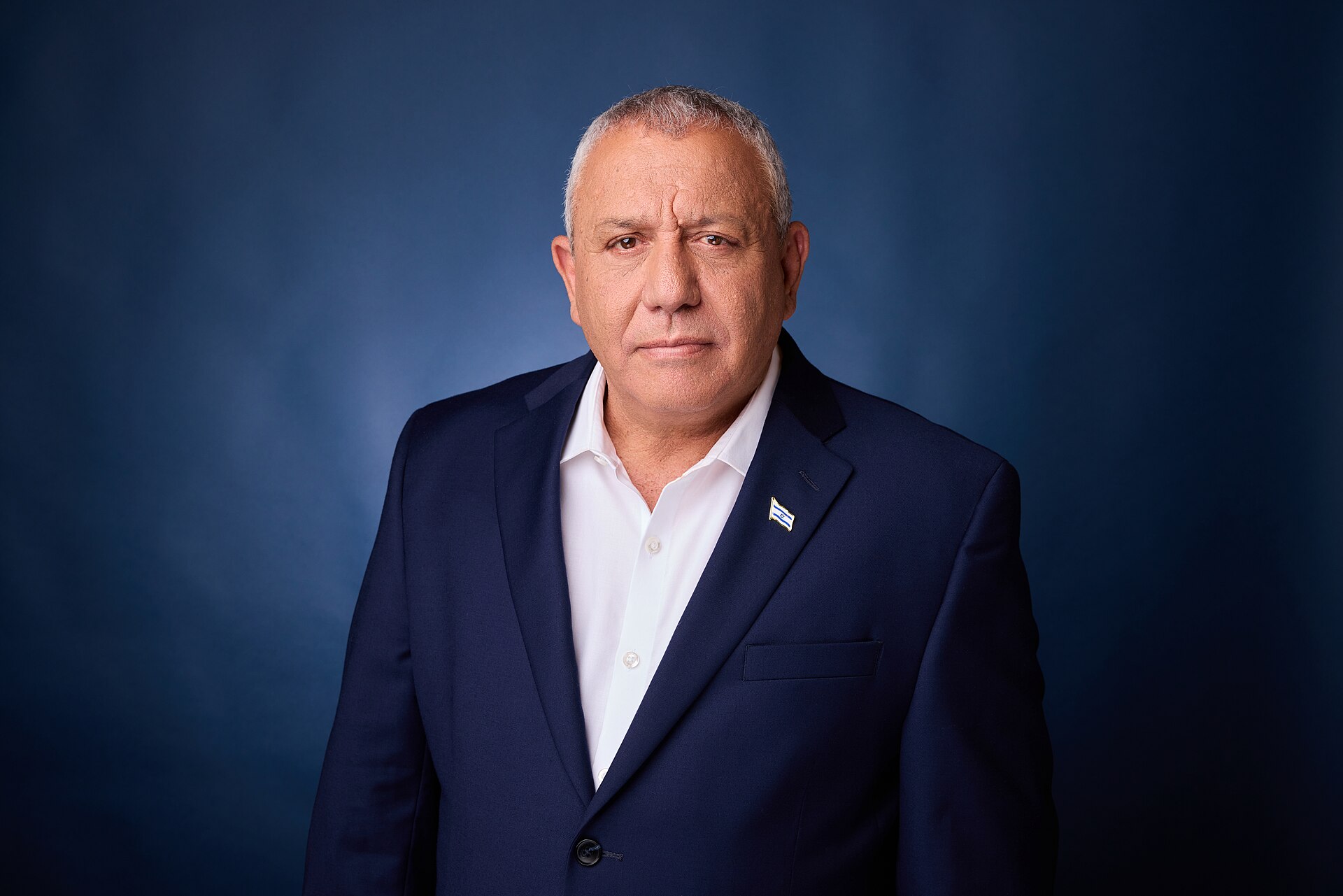
Benjamin Netanyahu has proposed a rotating prime minister arrangement that would place opposition leader Gadi Eisenkot in the top job first, followed by Netanyahu serving as alternate prime minister. The offer, announced on social media on Saturday, marks a significant shift in the negotiations to form a new Israeli coalition government.
Rotating Leadership Proposal
Netanyahu stated that his responsibility as a leader required him to set aside the principle of his party being the largest in the Knesset. He described the move as necessary due to the “magnitude of the existential danger” facing the country and the risk that a government formed without broad consensus might lack the capacity to address these threats.
Eisenkot, who was tasked by President Isaac Herzog with forming a government within 28 days, responded by inviting the caretaker prime minister to “genuine and accelerated negotiations.” The centrist Yashar party leader emphasized that his bloc had sent a detailed proposal to Netanyahu the previous Sunday but had received no response until this latest offer.
Eisenkot indicated that Likud had stalled talks over the past two weeks without putting forward concrete proposals. He stated he would assess the seriousness of Likud’s intentions over the next 24 hours.
Coalition Math and Political Deadlines
The October election left the Knesset, which has 120 seats, without a clear majority for any single bloc. Netanyahu’s right-wing alliance won 53 seats, while Eisenkot’s centrist Yashar party, along with three other Jewish opposition parties, secured 48 seats. Two Arab-led alliances, the United Arab List and the Joint List, won an unprecedented 19 seats combined, driven by a surge in turnout among Arab voters.
Despite their potential kingmaker status, all but one of the Jewish parties pledged before the polls not to work with Arab-led groups to form a government. This constraint has complicated efforts to build a stable coalition.
Eisenkot has made progress in securing the necessary seats. He has agreed to coalition deals with the Yisrael Beiteinu party and The Democrats. Naftali Bennett, leader of the Beyachad party and a former prime minister, also expressed support for a unity government led by Eisenkot. Bennett noted that Netanyahu’s willingness to join such a government was the right decision.
Historical Context and Next Steps
No political party in Israel has ever won an outright majority, meaning all governments have been coalitions. The period between 2019 and 2022 was marked by extreme political fragmentation, resulting in five separate elections as leaders struggled to cooperate.
The current deadline for forming a government is December 6. Eisenkot accused Likud of stalling ahead of this date, while Mansour Abbas, leader of the moderate Islamist Raam party, suggested his party recognized Hamas as a terrorist group. This move could potentially open the door for Raam to join a coalition aimed at unseating Netanyahu, although such a scenario remains complex given the existing pledges of other Jewish parties.
Eisenkot reiterated that negotiations would proceed based on the detailed proposal sent to Netanyahu last Sunday. The outcome of these talks will determine whether Israel avoids another round of elections and establishes a functioning government capable of addressing national security challenges.
Source: BBC
