



Reports indicate that Nvidia has ceased manufacturing the GB202 graphics processors for consumer-grade GeForce RTX 5090-series add-in-boards. This shift reportedly includes the ‘D’ variants intended for the Chinese market. The information stems from a leaked factory notice cited by leaker @hongxing2020, who is known for insights into the graphics card supply chain. Another prominent source, @Zed__Wang, confirmed the report, stating that the GB202 silicon will now be exclusively reserved for data center and professional graphics cards.
GB202 Silicon Redirected to Professional Markets
A message attributed to the factory states that Nvidia will no longer manufacture any RTX 5090 models. The notice further claims that the highest-end GeForce graphics card will become the RTX 5080 24GB, while the 16GB version of the RTX 5080 will be discontinued. This move aligns with Nvidia’s broader strategy to prioritize higher-margin products. The company can sell GB202 processors on professional graphics cards that command substantially higher prices than the consumer RTX 5090.
Nvidia’s recently introduced RTX Pro 5500 features the same 21,760 CUDA cores as the GeForce RTX 5090 but includes 84GB of GDDR7 memory instead of 32GB. This configuration targets lucrative professional visualization and AI applications. Meanwhile, the fully-fledged RTX 6000 Pro, equipped with 24,064 CUDA cores and 96 GB of memory, can sell for approximately $15,000. By discontinuing GB202-based GeForce products, Nvidia prevents its relatively inexpensive consumer cards from competing with its own professional accelerators in the AI sector.
Impact on RTX 5080 and Consumer Availability
If Nvidia has indeed stopped shipments of GB202 processors for consumer graphics cards, the availability of RTX 5090 boards will inevitably decline. While existing inventories held by add-in-board partners, distributors, and retailers may sustain availability for some time, prices for these cards are likely to rise. This strategic pivot does not necessarily sacrifice Nvidia’s position in the gaming market, as neither the GeForce RTX 5080 nor the RTX 5090 have direct rivals in their respective segments.
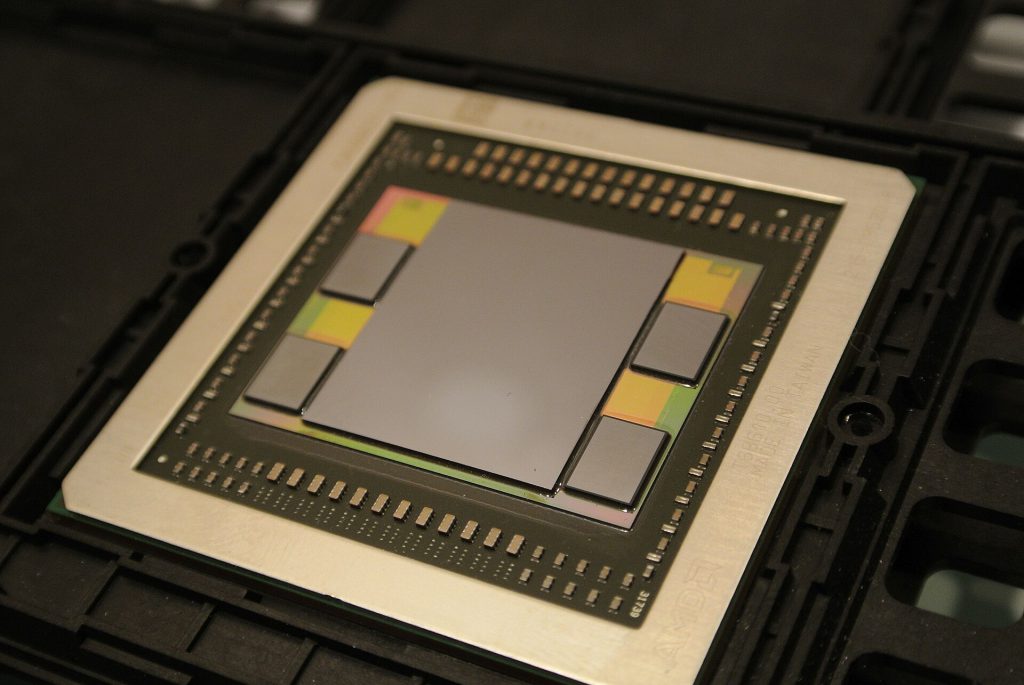
Nvidia may also be preparing to refresh its GeForce RTX 50-series lineup. Rumors have long suggested the development of GeForce RTX 50 Super graphics cards, including an RTX 5080 Super with 24GB of GDDR7 memory. Although their introduction was reportedly postponed due to memory supply constraints, the rumored GeForce RTX 5080 24GB could represent a revival of these plans. With no more GeForce RTX 5090 32GB on the market, the new product would have better access to memory supplies.
Nvidia is also developing its next-generation Rubin-based GeForce RTX 60-series GPUs. Recent rumors suggest these products will not arrive until late 2027 or even 2028. Consequently, if the reports about the discontinuation of the GeForce RTX 5090 are accurate, Nvidia could leave the enthusiast gaming market without a GB202-class flagship for a considerable period. This timeline suggests that enthusiasts seeking the absolute best graphics card may need to act quickly if they wish to secure a current-generation flagship before potential supply constraints tighten further.
Source: Tom’s Hardware
