


A new walking route in Snowdonia National Park is drawing attention for its ability to combine challenging mountain terrain with a deep dive into Welsh industrial history. The Llwybr Llechi Eryri, or Snowdonia Slate Trail, spans 83 miles in a loop that begins in Bangor and concludes in Bethesda. It links a series of abandoned slate quarries with some of the most scenic riverside and mountain paths in the United Kingdom.
Industrial Ruins and Mountain Peaks
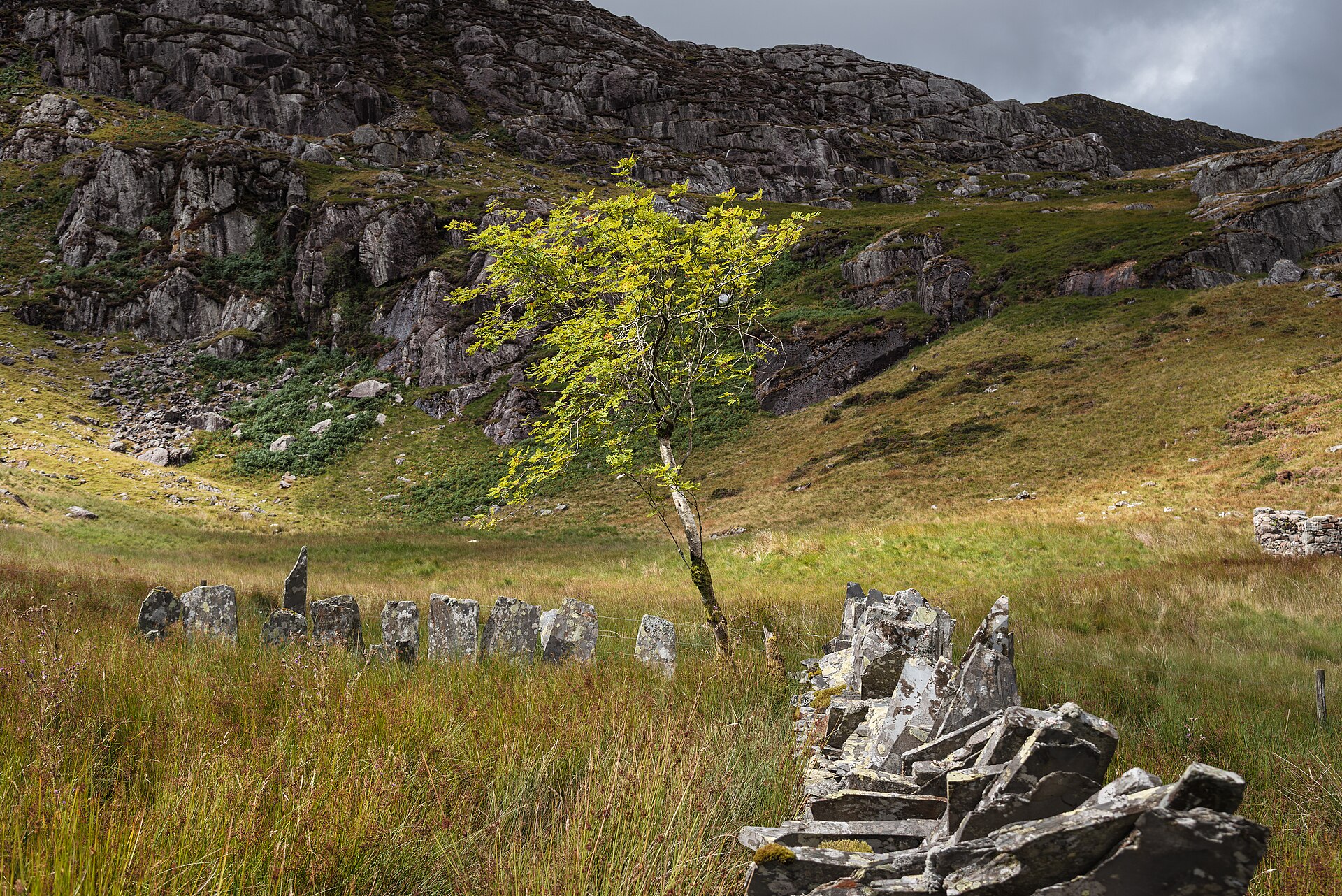
The trail offers a stark contrast between natural beauty and industrial decay. Hikers descending from tussocky hills toward the village of Y Fron encounter a deep lake-filled crater surrounded by fences made of lichen-covered slate slabs. The water takes on a dark, bruised hue, creating a dramatic backdrop for the route.
One of the first major stops is the Dorothea slate quarry. This vast, abandoned complex features railways, cottages, and deep chasms. The site includes tunnels and cuttings, with stone towers that rise like ancient temples. The craftsmanship is evident in the hand-fitted stones, which were constructed without mortar for heavy industrial use.
Slate production in the region began in earnest during the 1820s and reached its peak in the 1870s. Edward I is believed to have used Welsh slate for roofing his castles. By the late 19th century, the area was equipped with steam pumps and aerial cables. The last Cornish beam engine installed in the pits could pump 10 gallons of water per second from depths of 500 feet.
Challenging Paths and Historical Sites
The route heads east into the Welsh mountains, offering views of Yr Wyddfa, also known as Snowdon. The path occasionally follows the line of the Welsh Highland Railway into Beddgelert. This village serves as a common base for hikers, offering pubs, cafes, and outdoor gear shops.
On the second day, the trail merges with the Cambrian Way, a 298-mile long-distance path. Hikers follow the River Glaslyn, navigating crags with torrents below. The route climbs toward the Matterhorn-shaped peak of Cnicht. Despite weather forecasts predicting bad conditions, the sun often breaks through, offering views of the Irish Sea.
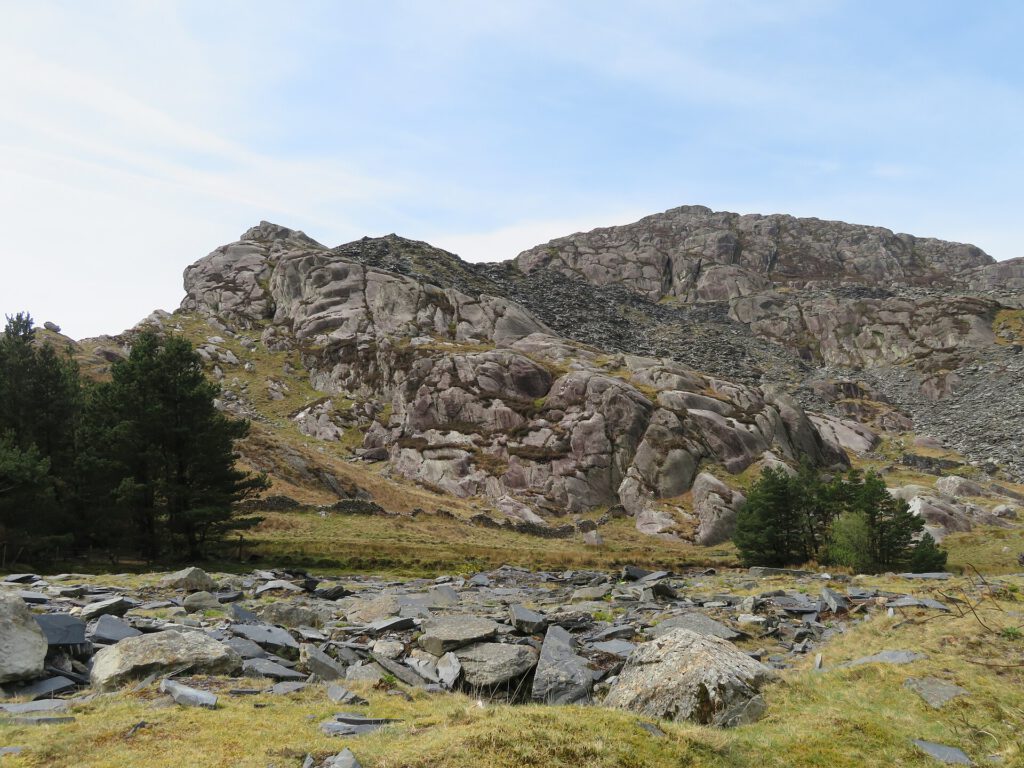
The descent leads into Cwmorthin quarry. Known locally as “the slaughterhouse” in the late 19th century due to fatal accidents, the site is dominated by heaps of spoiled stone. It took 10 tons of raw material to produce just one ton of marketable slate. The path continues through a desolate valley into Blaenau Ffestiniog.
Further along, the trail runs beside the River Cynfal. The river punches through a deep, mossy gorge overhung by ancient oaks. Local legend says the rock towers in the river were once the pulpit of a magician named Huw Llwyd. The 18th-century naturalist Thomas Pennant recorded that his voice could be heard ringing down the chasms at night.
Remnants of a Hard Life
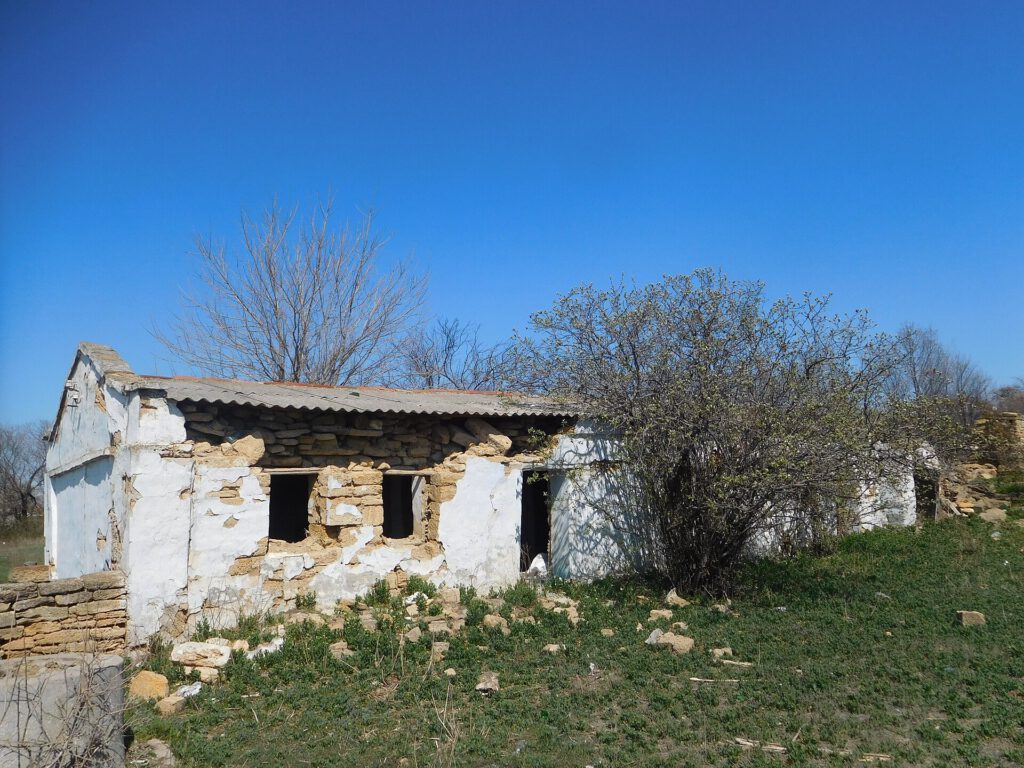
As the path climbs higher, the forest thins, revealing fragments of old quarry workings. In one abandoned cottage, a jacket still hangs on a nail, a silent reminder of the workers who left. Many Welsh slate workers emigrated to the United States due to poor pay and failed strikes. In 1901, workers in England sent a two-and-a-half-ton Christmas pudding to lift morale, but violent clashes with landowners eventually led to more departures.
The trail passes Rhiwbach quarry, which peaked in the 1860s. Miners lived in barracks that remain today. Farther down the valley, peregrine falcons nest near a waterfall above Cwm Penmachno. The church of St Tudclud in the village holds the Carausius Stone, believed to be the gravestone of a Roman commander who declared himself emperor of Britain and northern Gaul in AD286.
The final stretch joins the River Conwy, a beauty spot noted since the 17th century. The path ends in Betws-y-Coed, completing a journey that highlights both the natural and industrial legacy of the region.
Walkers’ Britain & Europe offers a seven-day self-guided version of the hike. The package includes six nights’ accommodation, breakfast, luggage transfers, and a digital navigation app. Prices start at £890 per person, with daily departures from April to October.
Source: The Guardian
