


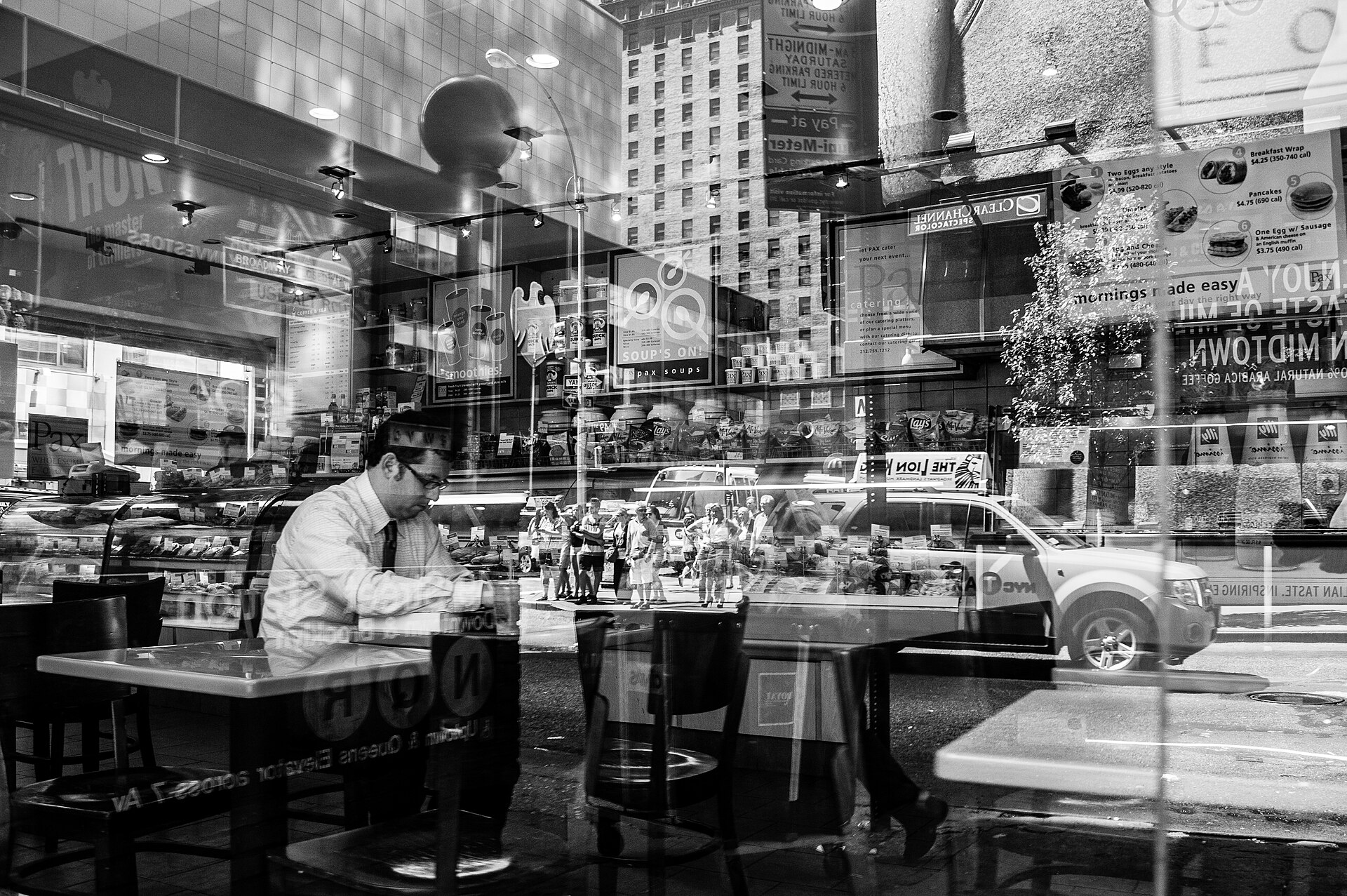
Booking a table for one is no longer just a fallback for business travelers or those without companions. It is becoming a deliberate act of independence and indulgence, according to industry experts and a growing number of diners across the United Kingdom.
Catherine Smith, a 23-year-old food enthusiast from Yorkshire, exemplifies this shift. She regularly books tables at high-end Mediterranean and other upscale restaurants, spending between £100 and £200 per meal. For Smith, the appeal lies in the freedom to choose a venue without compromising for friends who may have different dietary preferences, such as vegan or vegetarian diets.
“I think what is so special about solo dining is that you don’t have to wait for people to make those plans. You can go out and do them yourself,” Smith said. She describes the experience as a form of self-care and even “female liberation,” allowing her to enjoy peace, read, or journal without distraction.
OpenTable Data Shows 23% Growth in Solo Bookings
Online reservation platform OpenTable, which covers more than 5,000 restaurants in the UK, reports that solo dining is its fastest-growing category, despite currently representing the smallest proportion of total bookings. Data from January 1 to August 31 this year shows a 23% increase in solo bookings compared to the same period last year. The company did not provide the raw data to the BBC for independent verification.
Charles Banks, a food trends analyst and joint managing director of The Food People, notes that while eating alone is not a new behavior, societal changes have made it “almost aspirational.” He describes it as a “little pocket of independence, indulgence and self-care.” However, he warns that not all hospitality businesses have embraced the trend, with some viewing single diners as an inefficient use of table space.
Restaurants Adapt to Single Diners
The resistance to solo diners is not universal, but it exists. A survey by SoloTable, a website dedicated to identifying restaurants suitable for single diners, found that one in eight of 178 London restaurants surveyed did not accept online reservations from solo guests. Smith has personally experienced being turned away from establishments she wished to visit.
Conversely, some restaurants are actively redesigning their spaces to welcome single guests. Jungli, an Indian restaurant in Newcastle upon Tyne, has installed high tables and bar seats specifically to accommodate solo diners. Co-founder Yousaf Khalid also added charging points for devices and hired staff with “bigger personalities” who can engage customers in conversation while respecting those who prefer solitude.
The cultural acceptance of solo dining varies significantly by region. Nishi Singh, a solo dining advocate, noted that the practice was not widely accepted in Delhi, where strangers sometimes assumed she had been stood up. Her social media documentation of solo meals in London highlighted a global interest in the practice, with many people expressing a desire to dine alone but feeling too intimidated to try.
As the trend continues to grow, Smith believes that public perception will shift. “I think with time, people will see and will start to accept it as something that’s more normal,” she said. The industry is gradually responding, with more venues recognizing the potential revenue stream and the cultural value of providing a comfortable environment for those dining alone.
Source: BBC
