


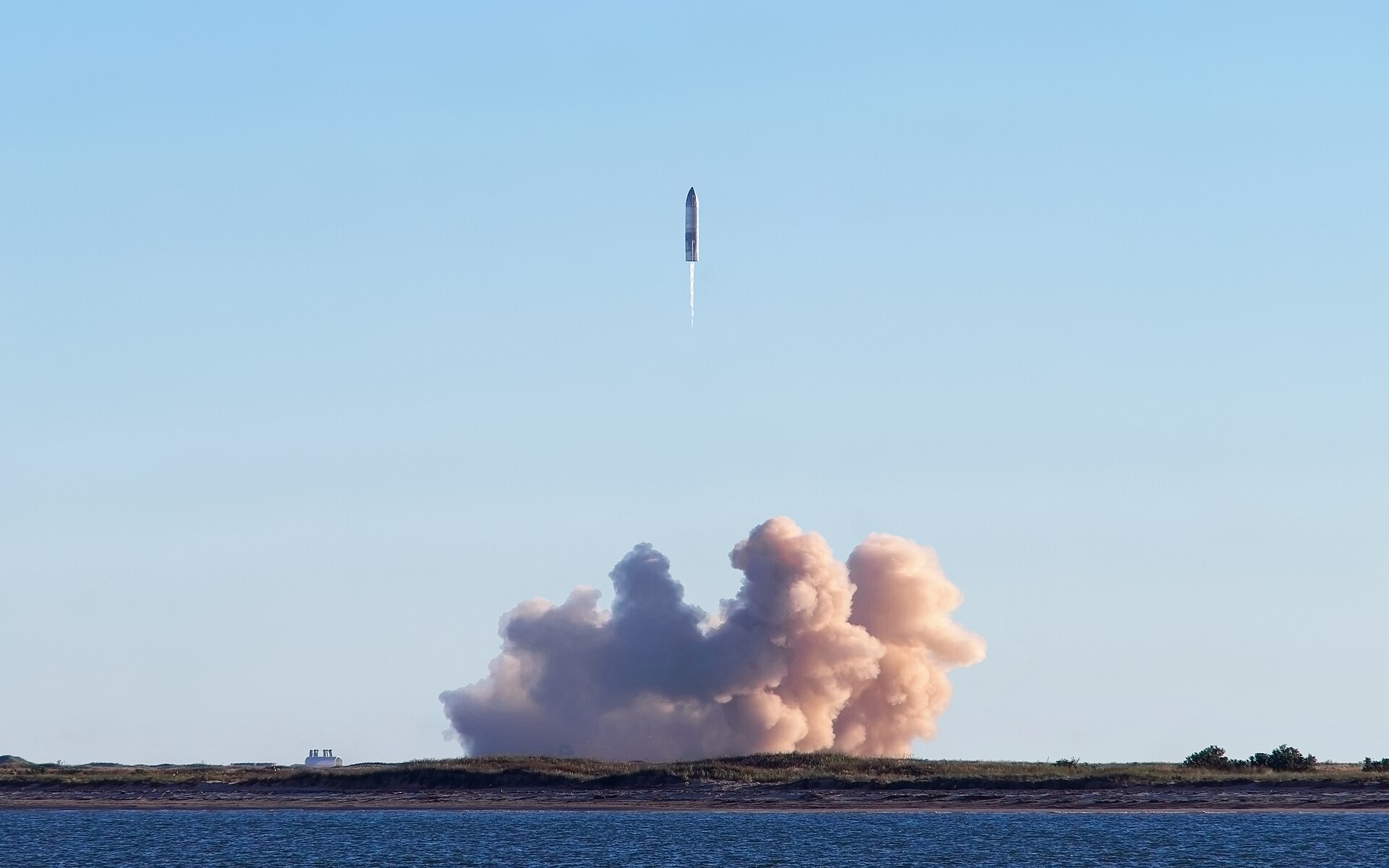
SpaceX has engineered the SpaceX Starship to be the largest and most powerful launch vehicle ever flown. When the two stages are stacked, the complete system reaches a height of 407 feet. This measurement exceeds the height of Hyperion, the tallest known living tree, and stands one-third taller than the Statue of Liberty including its pedestal. The rocket generates 18.1 million pounds-force of liftoff thrust, a figure that surpasses any previous launch system.
Super Heavy Booster and Engine Configuration
The lower section of the vehicle, known as the Super Heavy booster, measures 236.2 feet and provides the initial lift from the launch pad. This stage is powered by 33 Raptor engines that burn liquid methane and liquid oxygen. These engines produce the full 18.1 million pounds of thrust required to clear the launch tower. For comparison, NASA’s Space Launch System generates between 8.8 million and 9.4 million pounds of maximum thrust.
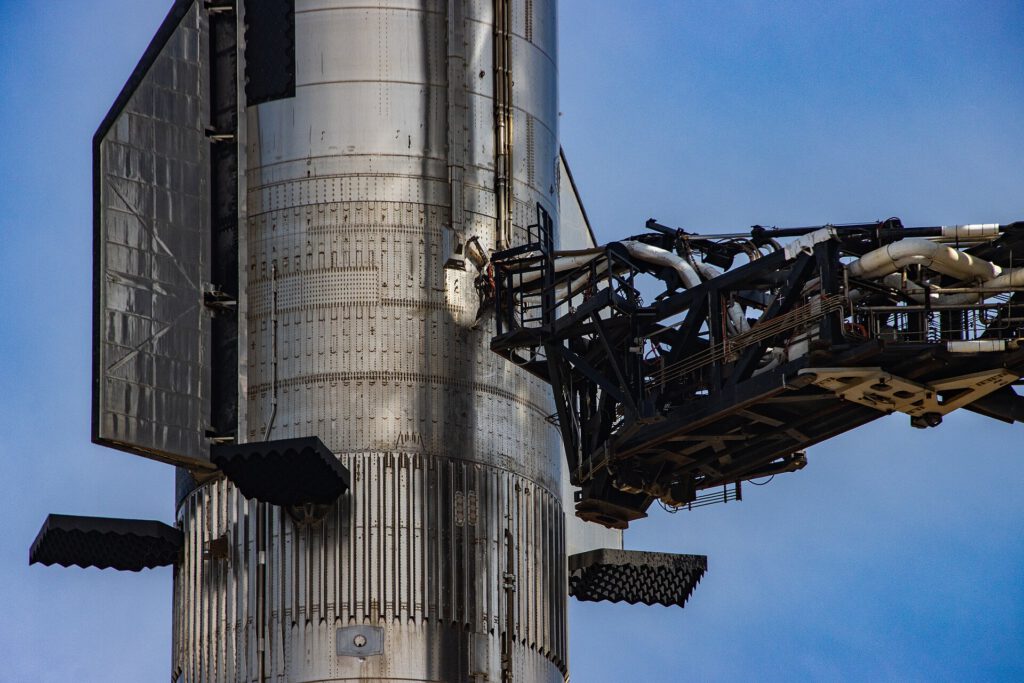
The Super Heavy booster carries a propellant capacity of 3,650 metric tons. During the first full-stack test launch in April 2023, the exhaust from the booster was powerful enough to shatter the concrete launch pad and scatter debris across 385 acres. That initial test vehicle was rated at 16.7 million pounds of thrust. The booster used for the September 28, 2026, launch features a slight increase in power output.
Upper Stage and Propellant Logistics
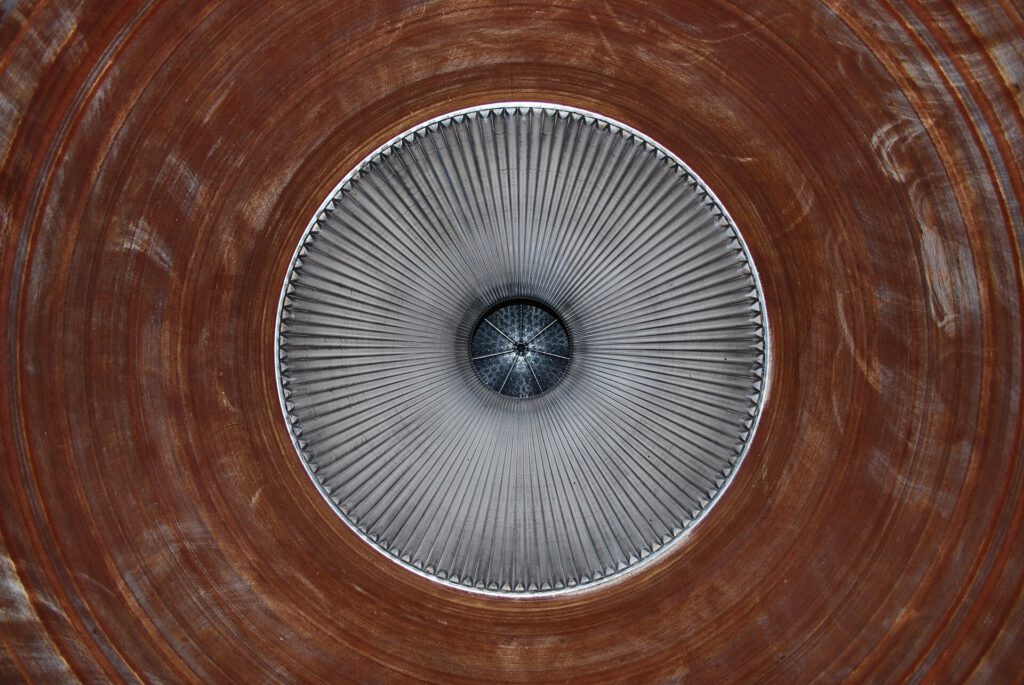
Above the booster sits the Starship spacecraft, which measures 170.6 feet. This upper stage is equipped with three standard Raptor engines and three Raptor Vacuum engines designed for operation in space. SpaceX lists the thrust for this stage at approximately 3.5 million pounds-force. The Starship holds an additional 1,600 metric tons of propellant, bringing the total fuel capacity for the entire vehicle to 5,250 metric tons.
Despite its massive size and power, the system relies on staging and efficient engine design to manage its weight. SpaceX intends to recover and reuse both stages to reduce costs. However, the vehicle still requires refueling in Earth orbit for deep space missions. NASA’s planned lunar lander burns a significant portion of its propellant just to reach orbit.
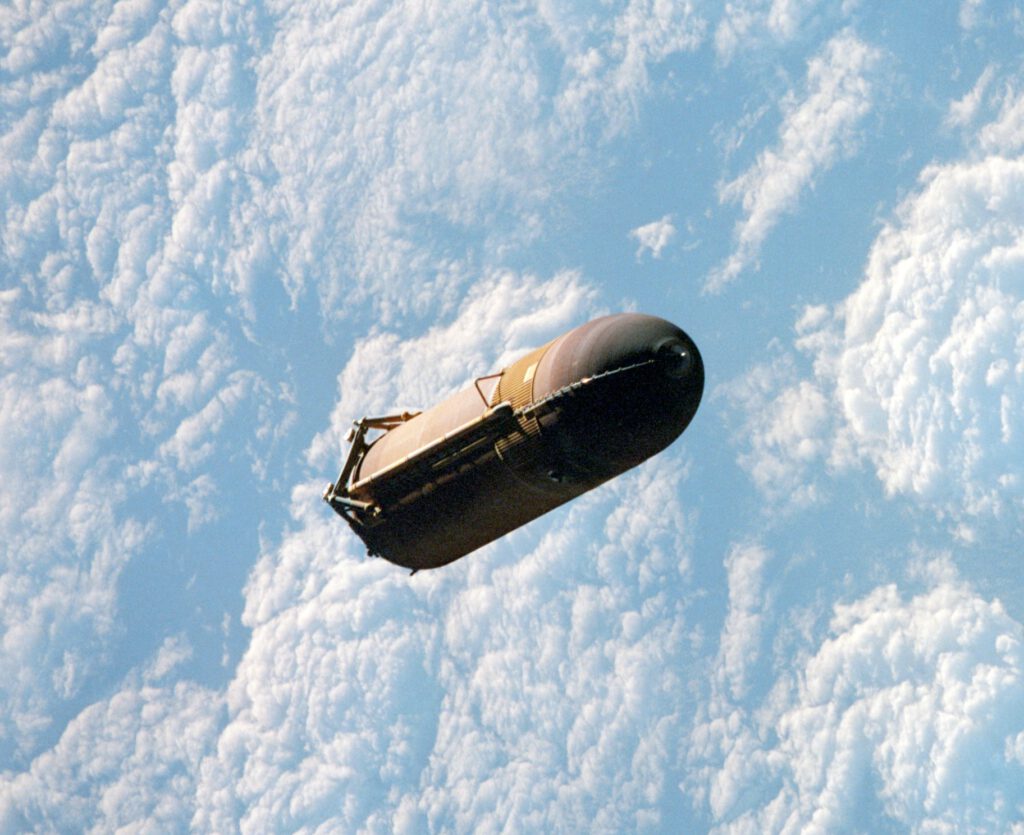
The operational plan for NASA’s Artemis program involves a complex refueling sequence. A propellant depot launches first, followed by tanker Starships that deliver fuel. The lunar lander launches last, docks with the depot, and takes on propellant. Crew members will later board NASA’s Orion spacecraft and meet the prepositioned Starship lander in Earth orbit. The lander will then transport two crew members to the Moon’s surface and back. Storing extremely cold propellants in space remains a major technical challenge that requires this elaborate support system.
Source: Engadget
