


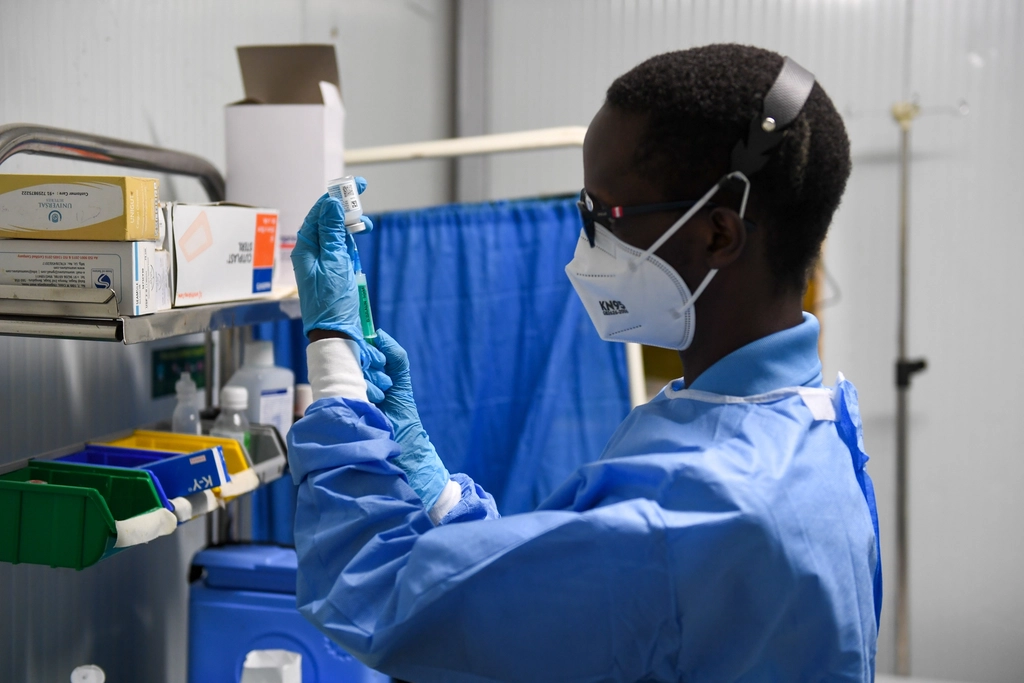
Uganda has initiated the first clinical trial in Africa for an mRNA vaccine designed to combat the Bundibugyo strain of the Ebola virus. The trial is being conducted by the state-run Uganda Virus Research Institute (UVRI) in partnership with the US-based pharmaceutical company Moderna.
The initiative comes as the Democratic Republic of the Congo (DRC) continues to grapple with a severe Ebola outbreak. According to government data released on Thursday, the outbreak, which began in mid-May, has resulted in at least 12,021 confirmed infections and 5,904 deaths.
Testing Safety in Children
The Ugandan trial marks a significant expansion in the testing scope for the vaccine. While Moderna began its first human trials in Canada in August, those studies focused exclusively on adults aged 18 to 65. The Uganda study is the first to evaluate the vaccine’s safety and its ability to trigger an immune response in children aged one year and older.
UVRI stated that the trial aims to enroll 224 volunteers. Richard Hatchett, chief executive officer of the Coalition for Epidemic Preparedness Innovations (CEPI), which is helping fund the vaccine, highlighted the urgency of including younger participants.
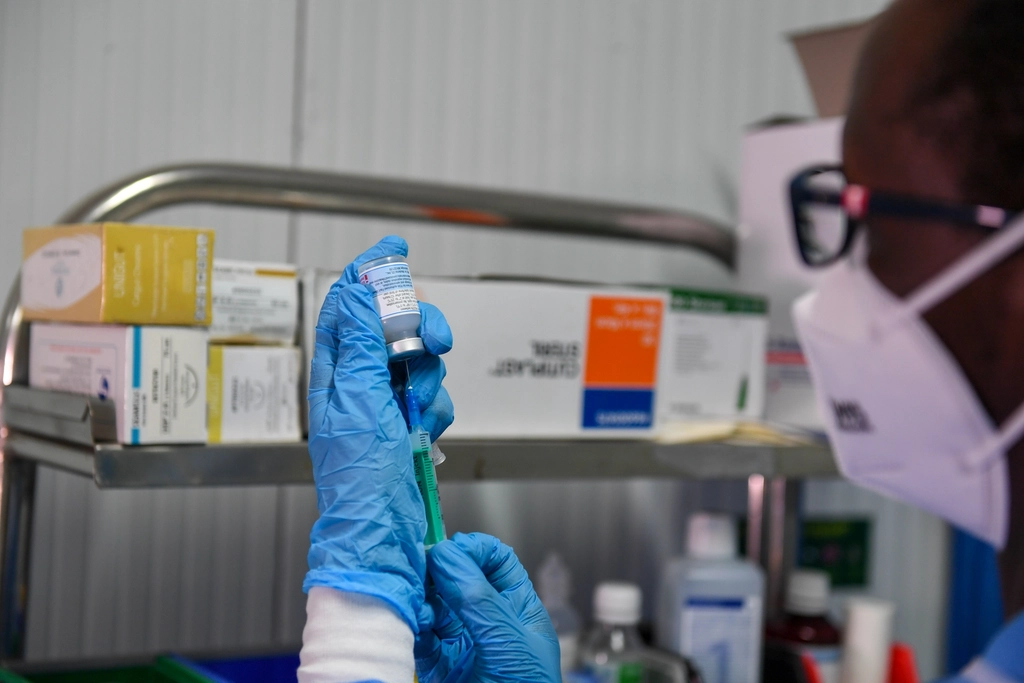
“Children are often among those hardest hit when Ebola strikes, yet they are too often the last to benefit from new vaccines,” Hatchett said.
Uganda itself declared its own Ebola outbreak over on July 28. The Ministry of Health reported that the country had recorded 20 infections and two deaths during that previous incident.
Parallel Vaccine Efforts in DRC
While the mRNA vaccine trial proceeds in Uganda, other efforts are underway to address the current crisis in the DRC. A different candidate vaccine, the ChAdOx1 adenoviral vector developed by India’s Serum Institute and the University of Oxford, is scheduled to begin testing in the DRC on Monday.
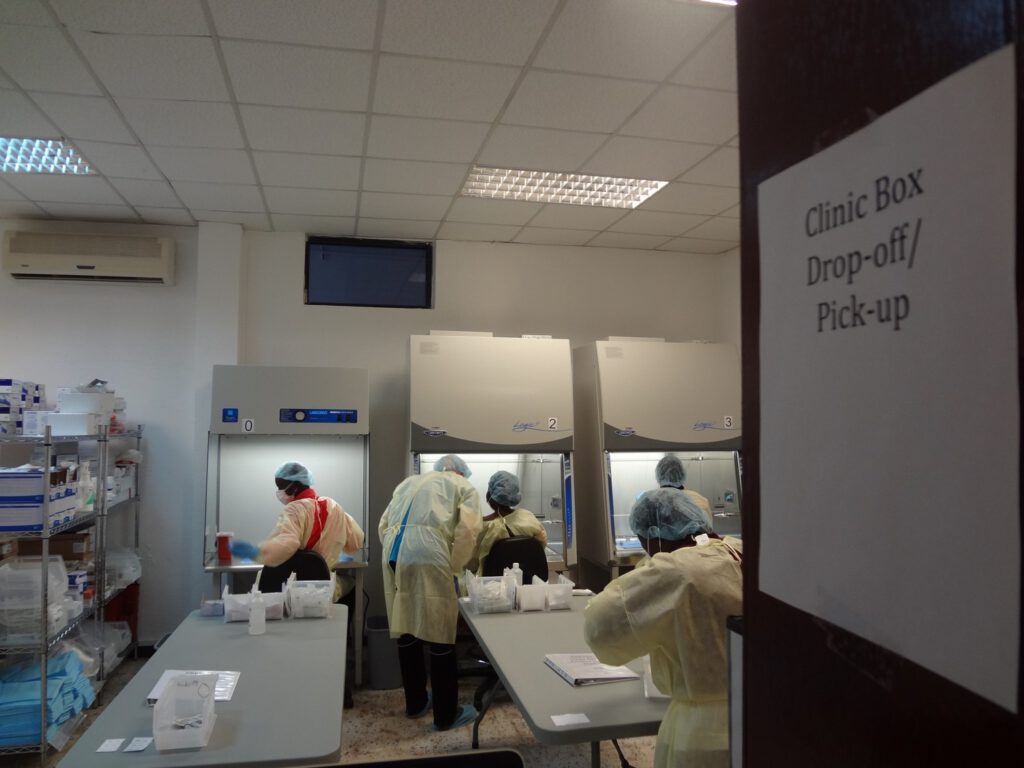
Gavi, the Vaccine Alliance, is preparing for potential deployment of the ChAdOx1 vaccine. Last week, Gavi signed a purchase commitment with the Serum Institute for 1.5 million doses. The organization plans to have “hundreds of thousands” of doses ready to deploy if the trials prove successful and receive approval from the World Health Organization and the DRC government.
Emanuele Capobianco, Gavi’s director of global health security, expressed hope that the trials would conclude in early 2027. He noted that if the results are positive, the purchase deal could accelerate deployment by several months.
The launch of the mRNA trial in Uganda provides a critical testing ground for a technology that has shown promise in other viral outbreaks. By focusing on the Bundibugyo strain, which is less common than other Ebola variants, the study aims to ensure that protective measures are available for all forms of the virus.
Source: Al Jazeera
