


Global health authorities have officially revoked the United States’ measles elimination status, confirming that the highly contagious virus is now endemic in the country. The decision by the Pan American Health Organization (PAHO) marks the end of a 26-year period during which the US was considered free of continuous measles transmission.
The announcement coincides with the worst measles outbreak in the nation since 1991. As of November 2026, health officials have recorded more than 5,400 cases and eight deaths. The loss of elimination status signifies that the virus is no longer just a threat from international travelers but is actively spreading within US communities.
Political Controversy and Vaccine Hesitancy
Public health experts and medical organizations have pointed to widespread misinformation and political confusion as primary drivers of the crisis. The American Medical Association described the loss of elimination status as a “deeply troubling and entirely preventable setback for our nation.”
The outbreak has intensified scrutiny of the current administration’s approach to public health. President Donald Trump and Health Secretary Robert F. Kennedy Jr. have spent nearly two years challenging the safety and administration of vaccines. In a recent statement, Trump called for the measles, mumps, and rubella (MMR) combination vaccine to be split into separate shots, claiming without evidence that the combined vaccine could be lethal.
Dr. Annie Andrews, a Democratic senator-elect and pediatrician, highlighted the real-world impact of these policies. “As a pediatrician, I saw firsthand how decisions made in Washington hurt our children and families,” Andrews said. “Nothing makes that clearer than the loss of our measles elimination status.”
High-profile epidemiologists have been even more critical of Kennedy’s leadership at the Department of Health and Human Services. Some experts have characterized his work as “malpractice” and compared the situation to a “crime scene,” citing the direct link between policy confusion and declining vaccination rates.
A Regional and Global Trend
While the US faces significant challenges, experts caution against placing all blame on the current administration. The MMR vaccine has been the target of misinformation for over two decades, including efforts by Kennedy before his appointment to the White House.
Noel Brewer, a behavioral scientist at the University of North Carolina at Chapel Hill, noted that the US is part of a broader North American trend. “There is a profound problem with measles in all three North American countries,” Brewer said. He explained that large outbreaks in the US have been exported to Canada and Mexico, with cases subsequently returning to the US.
Canada lost its own measles elimination status in 2025 but has recently stopped transmission for 60 days, a milestone that PAHO Director Dr. Jarbas Barbosa da Silva Jr. called the “good news” in the region. The UK and several European nations have also recently lost their elimination status due to similar declines in vaccination coverage.
“What we’re experiencing is not a United States specific thing,” said David Margolius of the Big Cities Health Coalition. “Instead, there is a global surge in cases, global decline in vaccination rate.”
Consequences for Public Health
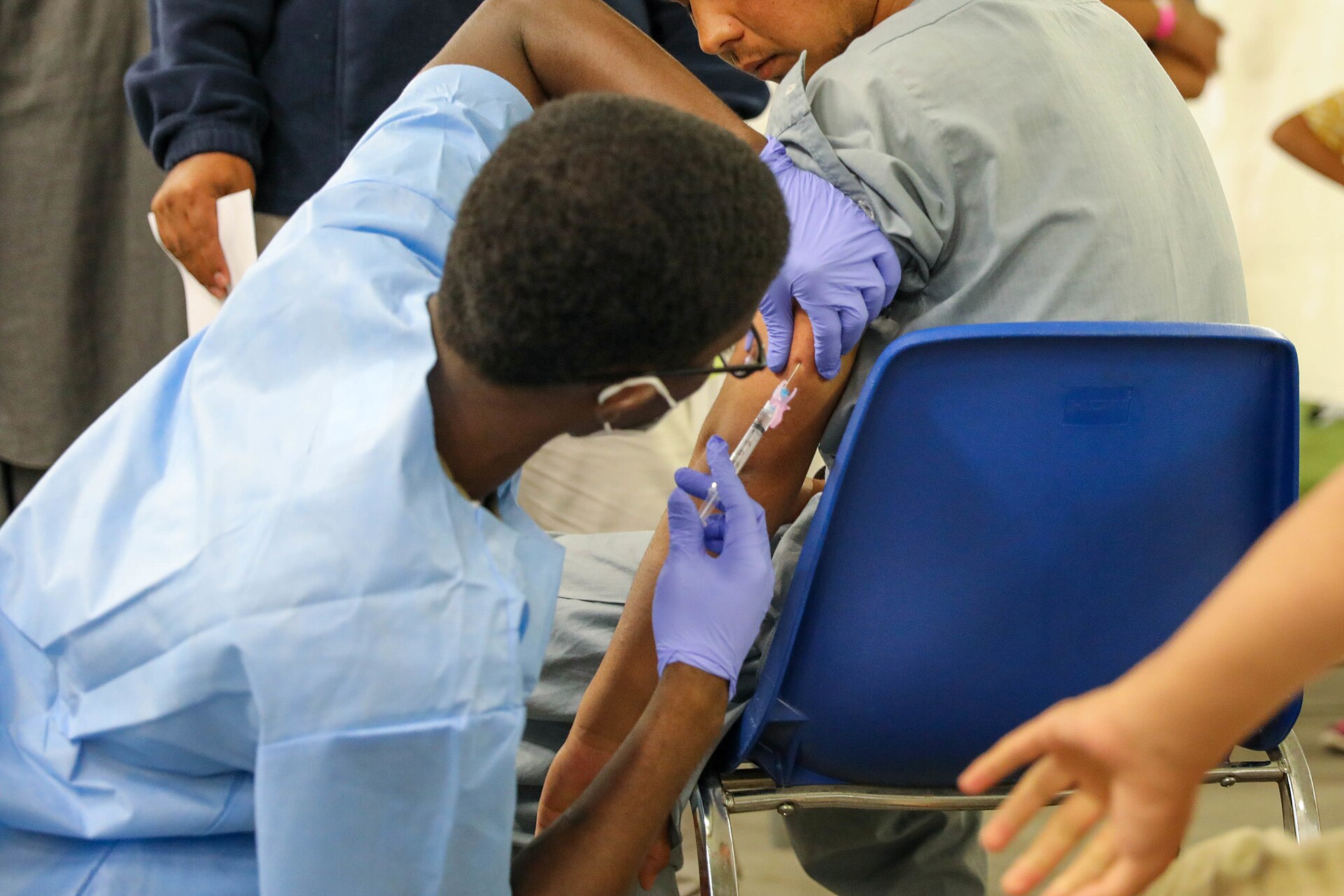
The reclassification of measles as endemic in the US carries immediate risks for the public. Americans are now at higher risk of infection and may be required to produce decades-old vaccination certificates or face quarantine periods of up to 21 days.
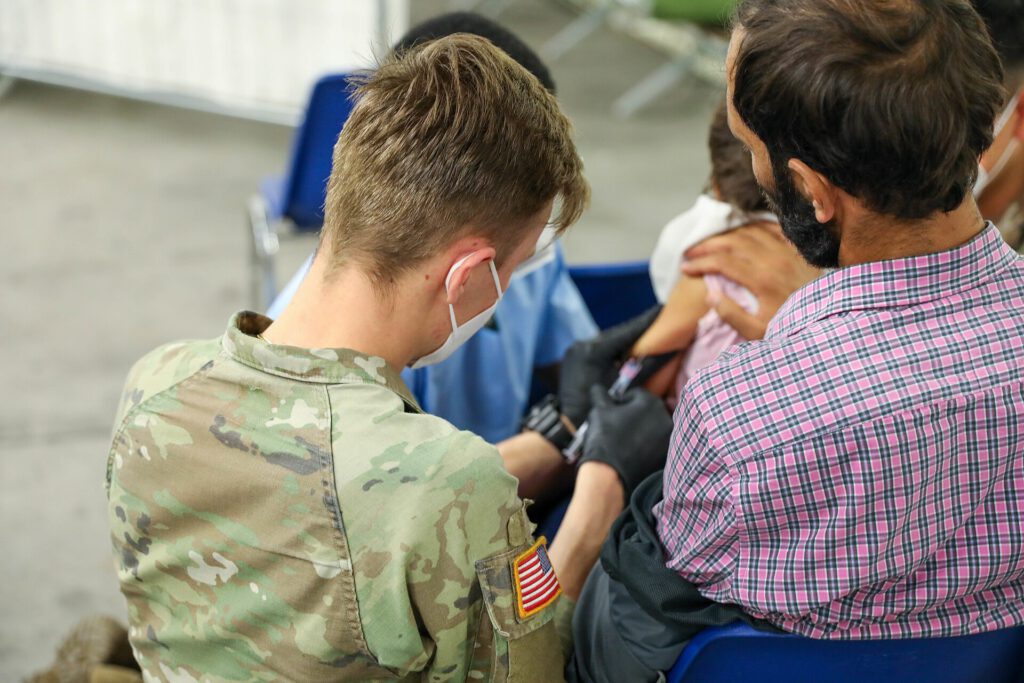
“Now is the time to go and find that evidence, because now this is a real day-to-day life thing that could happen to you,” Margolius said. The Big Cities Health Coalition, representing health departments serving 47 million Americans, called the announcement a “profoundly sad moment for our country” and urged targeted campaigns to reach under-vaccinated communities.
Reversing the trend will require a coordinated national effort. Brewer emphasized the need for an integrated plan with specific tasks assigned to named parties. He called on the Centers for Disease Control and Prevention and the president to speak out forcefully in favor of vaccination, while urging Congress to allocate additional funding for outbreak response.
Source: The Guardian
