


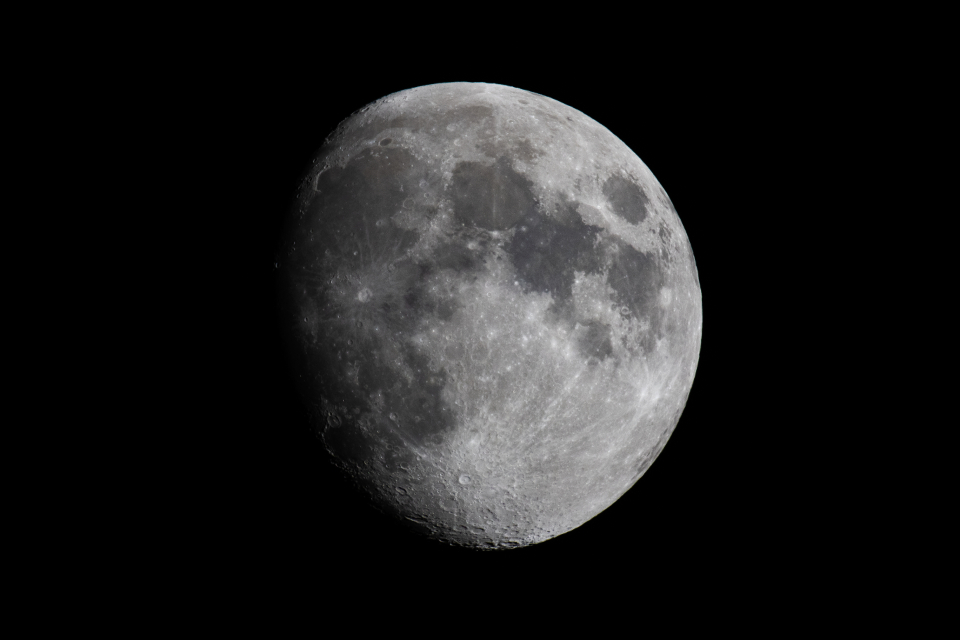
The United States, Russia, and China are accelerating plans to place nuclear reactors on the moon, a move that could sustain long-term human presence but also introduces new risks of radioactive contamination. According to Al Jazeera, scientists warn that while these reactors are essential for powering mining operations and bases, the potential for a mishap remains a significant concern.
Technical Specifications and Timelines
NASA announced in January that it aims to develop a lunar reactor by the end of 2030. The agency’s Lunar Reactor 1 is designed to produce 20 kilowatts of electricity and operate for five years without maintenance. The unit is compact, weighing under 6,000 kilograms, and fits within a rocket compartment measuring 3.7 meters long by 5.5 meters wide.
Russia and China are collaborating on a similar project with a target completion date of 2036. Their reactor, named Selena, is expected to generate 10 kilowatts of power and run for a decade. It will be lighter than the American design, weighing between 1,100 and 1,300 kilograms to facilitate a softer landing on the lunar surface.
Both nations plan to keep the reactors switched off during transit to minimize radioactive risk until they reach the moon. The reactors will be transported via robotic spacecraft that use rocket engines for a slow, controlled touchdown.
Powering Lunar Mining and Bases
The primary driver for these nuclear systems is the need for reliable energy in the moon’s permanently shadowed craters at the south pole. Solar power is insufficient in these regions, as sunlight reaches any given spot for only half the month, leaving panels dark for about two weeks. Batteries and diesel generators are also impractical due to the high cost of launching fuel from Earth.
Simon Middleburgh, director of Bangor University’s Nuclear Futures Institute, told Al Jazeera that nuclear energy is the obvious choice for providing the steady power flow required by a moon base. He noted that three or four reactors working together would likely be needed to support both mining operations and human habitation.
The reactors will power the extraction of frozen water trapped in lunar craters. This water can be processed into drinking water, breathable air, and rocket fuel. While the US, Russia, and China focus on water ice, tech billionaire Elon Musk has expressed interest in mining minerals like aluminum, titanium, and silicon for satellite manufacturing.
Safety Concerns and Legal Framework
The history of space nuclear power is mixed. The Soviet Union launched over 30 nuclear fission reactors into Earth orbit between the late 1960s and 1980s to power spy satellites. The US spent $20 billion on advanced space nuclear programs over 70 years but has not successfully launched a reactor since a 1965 experiment that failed after 43 days due to a non-nuclear electrical breakdown.
Accidents can have severe consequences. In 1978, the Soviet satellite Kosmos 954, carrying a nuclear reactor, crashed in northern Canada, scattering radioactive material across 124,300 square kilometers. Middleburgh stated that an accident on the moon would likely result in extremely localized contamination, unlike the widespread impact on Earth.
Legal questions also persist. The 1967 Outer Space Treaty bans countries from claiming the moon but does not prohibit nuclear power in space. Antonino Salmeri of the Lunar Policy Platform noted that reactors are lawful if they follow principles of peaceful use and avoid harmful contamination. However, a report from his organization highlights a gap in liability rules for long-term hazardous equipment on celestial bodies.
Sean Duffy, the US transportation secretary, stated in August that the US is in a race to the moon with China. The geopolitical tension is heightened by recent US announcements of deploying weapons into orbit, which experts believe are likely communications jammers rather than kinetic strike systems.
Whichever country establishes a reactor near the best water ice sources may effectively claim a safety zone. Salmeri explained that while this does not create territorial rights, the presence of a radioactive source would deter other nations from entering the area.
Source: Al Jazeera
