


Readers of The Guardian have weighed in on a longstanding musical tradition: why national anthems almost always sound orchestral. The consensus points to historical necessity rather than artistic preference. Most anthems were composed before the invention of recorded or amplified music, which dictated the instruments available for their performance.
Pre-Recording Era Constraints
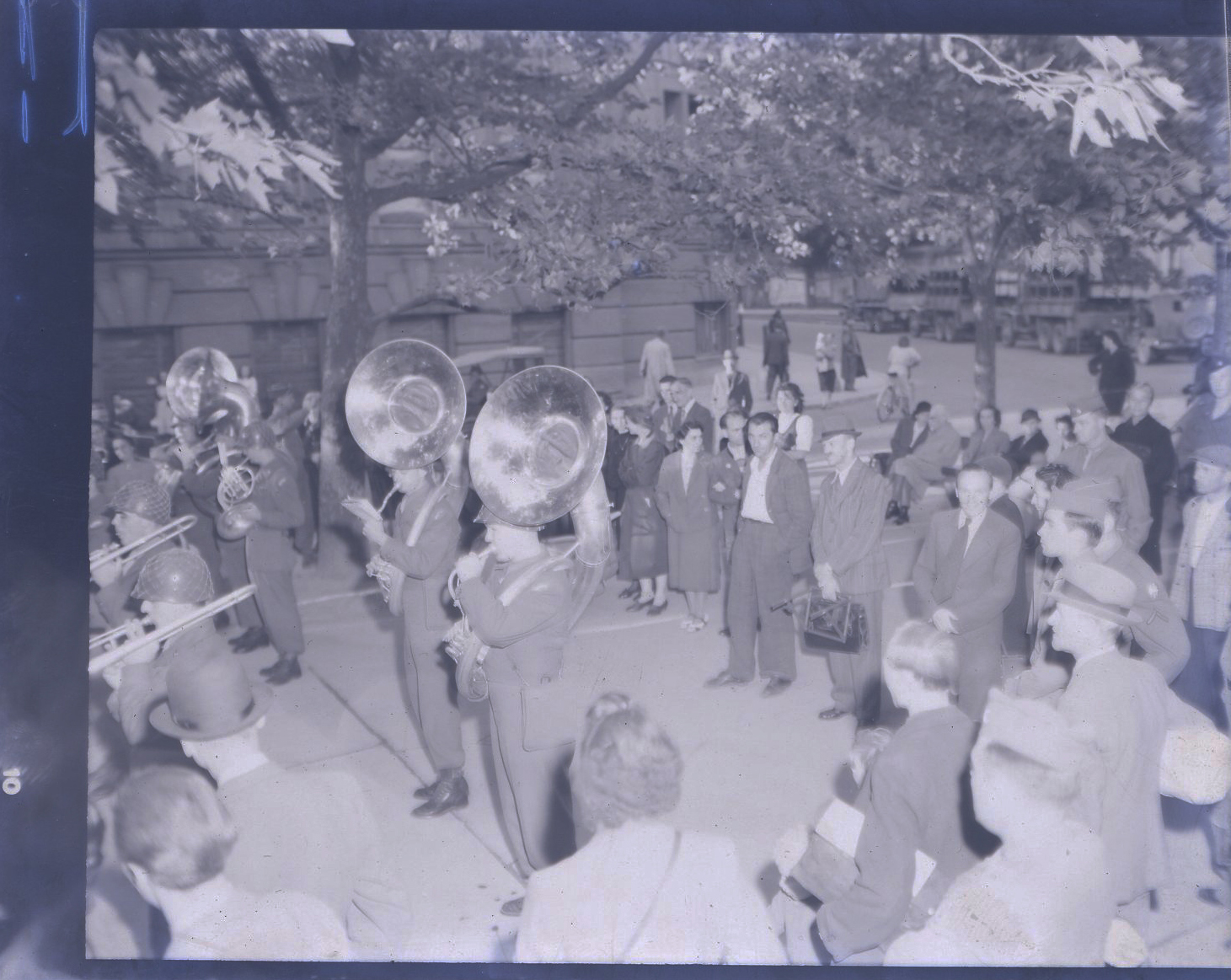
Longstanding national anthems were written in an era when electronic amplification did not exist. They were designed to be played outdoors or in large halls where sound needed to carry without microphones. This requirement practically demanded large assemblies of portable instruments. Military bands, heavily staffed with brass players, were the primary ensembles capable of meeting these acoustic needs. If an anthem could not be played by such a group, it likely would not have survived as a national symbol.

Consequently, the sonic identity of these songs is tied to traditional woodwind, stringed, and drummed instruments. Most also feature lyrics intended for group singing. This choral structure, often harmonized for soprano, alto, tenor, and bass parts, was designed to allow untrained masses to join in unison. The melody of Britain’s “God Save the King,” for example, is deliberately simple to facilitate this mass participation.
Military and Folk Origins
The orchestral sound is less a specific genre choice and more a reflection of military and folk origins. Many anthems have roots in court dances, religious hymns, or marching songs. The American anthem began as a drinking song, while the Chinese anthem originated as a film theme. The first modern anthem, La Marseillaise, dates back to the French Revolution and was intended to rally troops.
Some readers note that the term “anthem” itself often derives from words meaning “song of praise” in various European languages. This religious and martial heritage explains the prevalence of brass and pipes. The weight of convention has kept these arrangements in place, creating a cycle where new anthems are often written to fit the existing orchestral mold.
Modern Alternatives and Criticism
Despite the dominance of orchestral arrangements, some modern anthems offer different textures. Niger’s 2023 anthem, L’Honneur de la Patrie, has been described as fitting for a sci-fi movie theme. Syria’s unofficial 2024 anthem, Fī Sabīli al-Majd, evokes a whimsical late-19th-century western caper. These examples suggest that the orchestral standard is not immutable.
Critics also point out that many traditional anthems are considered “dire” by modern standards. The contrast between the stirring energy of La Marseillaise and the slow, dirge-like pace of “God Save the King” highlights the varying emotional impacts of these songs. Some argue that the British anthem fails to mention the country or its people, focusing instead on the monarchy.
Other cultural songs, such as Scotland’s “Flower of Scotland,” were written in the 1960s and performed by pipe bands or football fan choirs rather than orchestras. These examples show that national identity can be expressed through diverse musical forms. The preference for orchestral arrangements remains a historical artifact rather than a universal rule for national expression.
Source: The Guardian
