


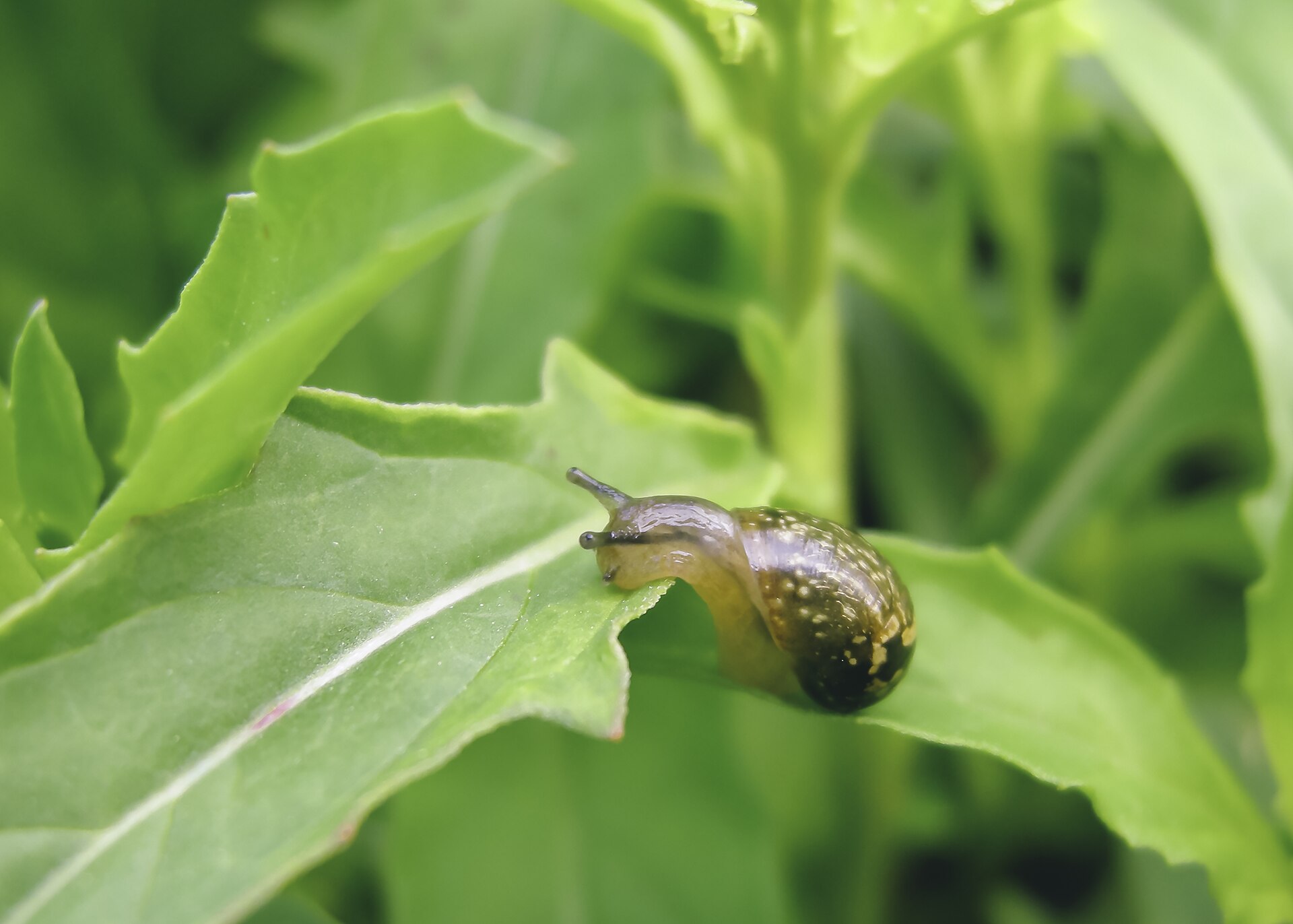
It might sound like a joke, but snails do eat mail. The comedian Jimeoin shared this reality after moving to Australia, where he found a gastropod consuming his post. He told the snail, “You stupid snail, you’re supposed to eat lettuce, not letters.” This is not an isolated incident. Ecologist Simon Mustoe confirmed he received a letter from Sir David Attenborough that was eaten by snails. A BBC report also documented the closure of a Northumberland Royal Mail postbox because gastropods were munching the mail. Desperate residents on forums for the Australian hardware chain Bunnings have claimed snails have a real appetite for postal letters and can eat a whole letter in two days.
Why Gastropods Munch Paper
Dr John Stanisic, known as the Snail Whisperer and an honorary research fellow at the Queensland Museum, explains that letters are processed vegetable matter, which makes them an attractive food source for snails. This behavior is not limited to postal items. Stanisic recalled setting up snails in a Chinese takeaway container for a photoshoot for the Australian science program Catalyst. He returned the next day to find they had escaped and eaten the front page of his running sheet.
Snails are ancient creatures that have been around for 350 million years. They include diverse species such as the Mount Kaputar pink slug, the giant African snail, which can grow to the length of an adult human’s forearm, and the golden-haired snail. Ecologist Simon Mustoe notes that snails consume waste, a role critical for ecosystems. He suggests they may have even helped prevent the late Devonian mass extinction by eating the surge in plant evolution that occurred at that time.
Dr Isabel Hyman from the Australian Museum emphasizes their importance in the food web. She states that mammals and birds need a flourishing ecosystem, which relies on invertebrates like snails. Australia has about 2,500 native species, including the rosy wolf snail, the red triangle slug, and the leopard slug. Stanisic describes them as complex animals that have their behavior down to a T.
The snails eating mail are likely the common garden variety introduced from Europe 120 years ago. Native Australian snails do not thrive in disturbed habitats. These introduced snails seek refuge in letterboxes during humid conditions. Moisture is vital for their survival. They produce mucus to create slime trails for movement and a slime network over their bodies to pump out moisture and stay active.
Safe Ways to Deter Snails
While common garden snails are considered pests in Australia, experts urge a mindful approach to controlling them. Dr Hyman suggests feeding them to blue tongue lizards rather than using poisons. Mustoe warns that snail pellets can kill natural predators, including birds, mammals, insects, toads, turtles, and wild turkeys. These pellets can also kill pets, with reports of French bulldogs dying after eating them.
To stop snails from eating mail without harming innocent bystanders, Hyman recommends a two-pronged approach. Copper tape provides an effective barrier by creating an uncomfortable electric charge when the snail’s mucus contacts the metal. This can be combined with creating a sharp angle, which snails dislike crawling over. Sand can be placed around letterboxes, as it is uncomfortable for snails to slither over. Other suggestions include diatomaceous earth, coffee grinds, or crushed eggshells.
Stanisic notes that snail baits are effective but will kill native snails as well. They should not be used if your property borders undisturbed habitat like bushland. Products containing iron are also safe options for pets and wildlife, though they will still kill native snails. Mustoe takes a pragmatic view, stating there is no magic bullet against animals that have evolved for hundreds of millions of years. He suggests humans need to be more resilient by cleaning their letterboxes and checking their mail regularly.
Source: The Guardian
