


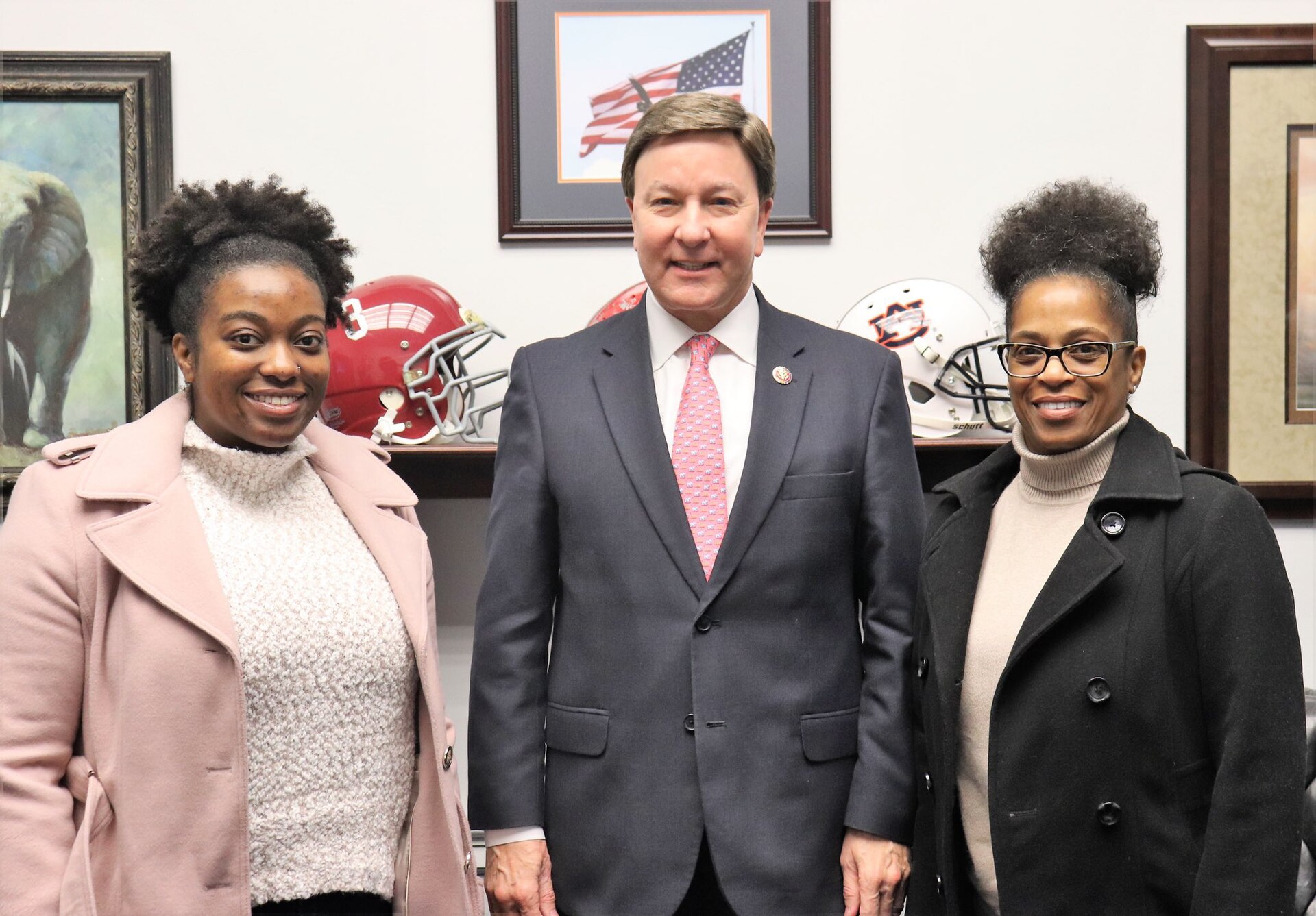
Congresswoman Haley Stevens has endorsed Republican Mike Rogers for the US Senate in Michigan, a move that shatters the fragile unity of the state Democratic Party just days before the midterm election. The endorsement serves as a direct rebuke of her former primary rival, Democrat Abdul El-Sayed, and signals the collapse of a brokered truce that had kept the party nominally united.
Stevens announced her support for Rogers in a video posted to X on Sunday. The video was filmed after she attended an event with the Republican candidate at the Perfecting church in Detroit. The choice of venue, a predominantly Black congregation in the city’s North End, underscored the symbolic weight of her defection from the party line.
Feud Over Israel Policy
The public split between Stevens and El-Sayed had been brewing for months, rooted in their divergent views on Israel. Stevens, a staunch supporter of Israel, had made her appearance at El-Sayed’s campaign events conditional on his denouncing a campaign advertisement by an outside group. That ad had blamed US support for Israel for the rising cost of living in Michigan.
El-Sayed refused to denounce the ad, accusing Stevens of reopening debates that had been settled during the primary. The disagreement escalated to the point where El-Sayed’s campaign formally disinvited Stevens from closing events. Debbie Dingell, a Michigan congresswoman, later told CNN that she had informed Stevens that the joint appearance was not working and that there was nothing to be gained by the two candidates being in the same place.
Despite the disinvitation, Stevens proceeded with the event with Rogers. In her statement, she expressed support for Rogers’s purported future investment in Black businesses, a pivot that drew immediate criticism from Democratic leaders who viewed the move as a betrayal of working-class interests.
Democratic Backlash and Campaign Fallout
The reaction from the Democratic establishment was swift and severe. Neera Tanden, a former senior adviser to President Joe Biden, condemned the move on X, calling it a betrayal of everything Stevens had fought for in her career. Michigan Democratic Party Chair Curtis Hertel stated that Stevens had abandoned the party’s values by campaigning with a candidate he described as a loyal vote for Donald Trump’s agenda.
The fallout extended beyond political rhetoric. Reports indicated that several staff members from Stevens’s campaign resigned following the endorsement. Her longtime chief of staff, Justin German, and communications director, Logan Basch, were among those who left, according to CNN correspondent Manu Raju. The departures highlighted the deep personal and professional rifts caused by the endorsement.
Senate Majority Leader Chuck Schumer issued a statement on Sunday affirming that Senate Democrats were united in their support for El-Sayed. Schumer described Rogers as a tool of Donald Trump and billionaire donors, while condemning the racist and Islamophobic attacks directed at El-Sayed by Republicans. He emphasized that Democrats were revulsed by the false attacks and the fearmongering tactics employed by the opposition.
Stevens’s personal life also came under scrutiny. Her fiancé, Jason Turkish, has been publicly condemning El-Sayed while supporting Rogers. Turkish, who is also vocally pro-Israel, has donated heavily to Democrats in the past but has also contributed to Republican candidates this year, including Senator Susan Collins. His public stance added another layer of complexity to the political drama unfolding in Michigan.
The endorsement leaves El-Sayed in a precarious position as he heads into the final stretch of the campaign. While he retains the support of the national Democratic leadership, the loss of a prominent local figure like Stevens could impact turnout in key demographics. The race remains one of the most fiercely contested Senate contests of the cycle, with both candidates vying for the swing state’s crucial electoral votes.
Source: The Guardian
