


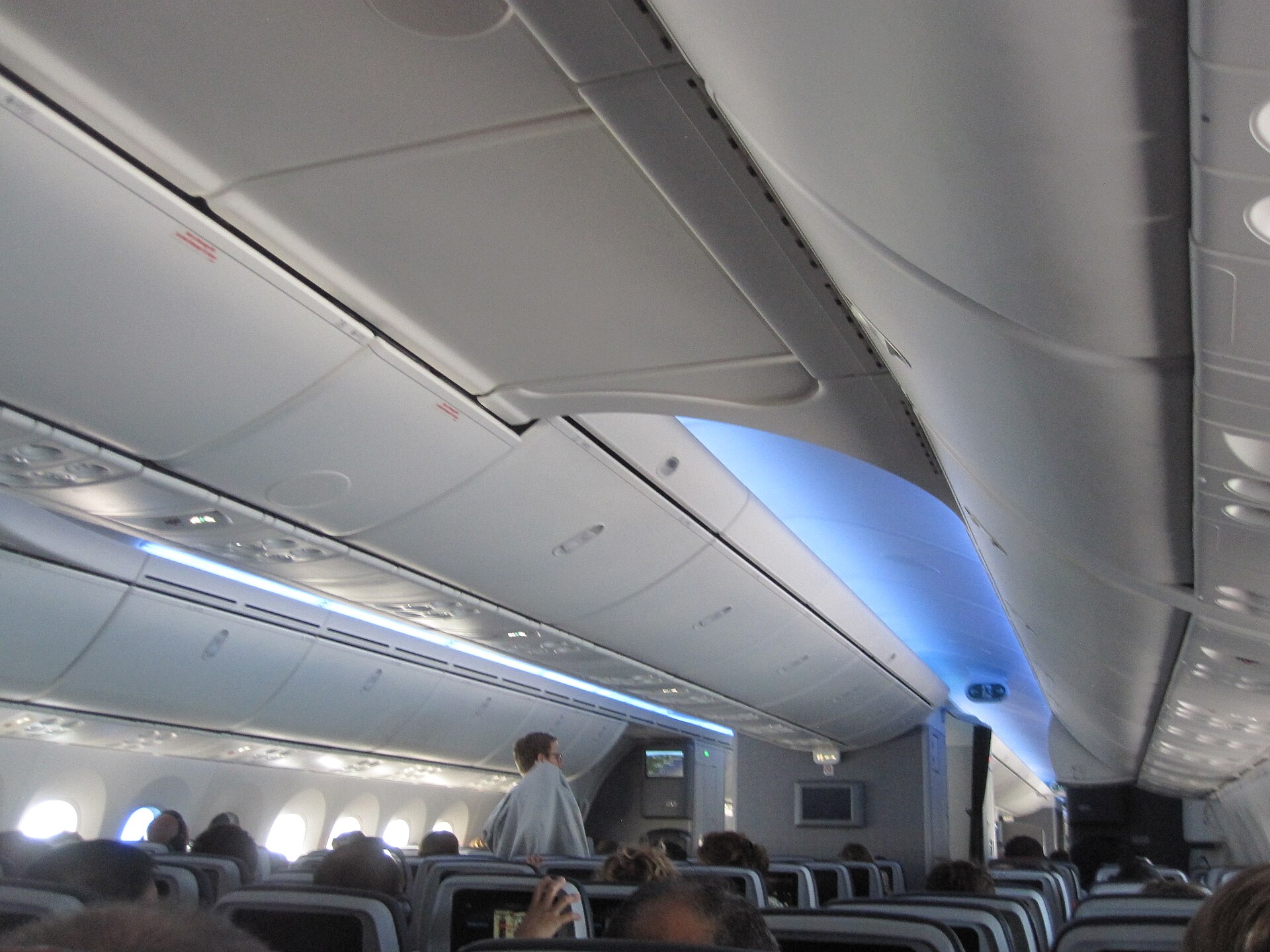
American Airlines is reportedly planning to replace the passenger windows on its oldest Boeing 787 Dreamliners. The move addresses a persistent issue with the aircraft’s innovative dimming technology, which has suffered significant wear due to passenger behavior. The decision follows reports from aviation insider JonNYC, though American Airlines has not yet provided immediate details on the scope of the initiative.
Damage from Button Misuse
The Boeing 787 Dreamliner, which entered service with American Airlines in 2015, features large electrochromatic windows that allow passengers to adjust light levels with the touch of a button. These windows replaced traditional physical shades, offering a modern alternative that can darken nearly completely. However, the system relies on an electrical current passing through a gel layer to change opacity, a process that takes time to react.
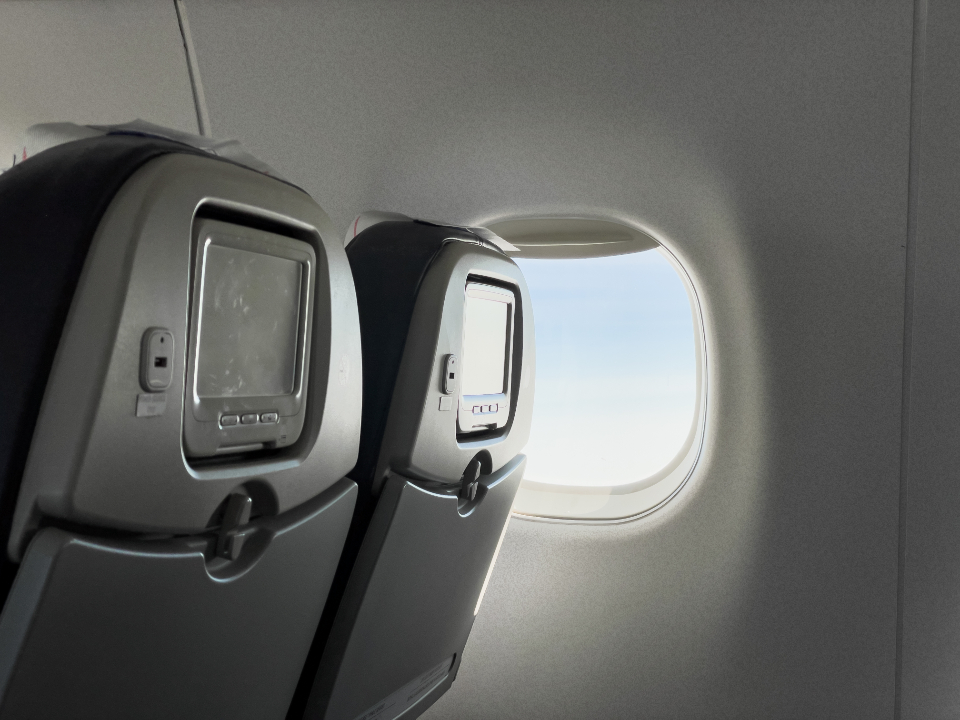
Passengers often misunderstand the delay in response, leading them to press the dimming buttons repeatedly in rapid succession. This habit causes excessive wear on the electronic components. Flight attendants can also lock the windows during overnight flights, but passengers are not always informed when the controls are disabled. This lack of communication leads to further frustration and repeated button pressing when the system does not respond instantly.
The cost of repairing this damage is substantial. Replacing a single window dimmer unit can cost up to $5,000. With a fleet of 70 Dreamliners, the cumulative expense of these repairs has likely prompted the carrier to consider a full replacement strategy for its oldest aircraft.
Fleet Details and Window Technology
American Airlines operates a combined fleet of 37 Boeing 787-8s and 33 Boeing 787-9s. The first -8 model arrived in early 2015, followed by the -9 variant in May 2016. The most recent Dreamliner delivered to the carrier was a 787-9 registered N852ML on April 12, 2025. The airline has 19 additional 787s on order and is evaluating the potential addition of the Airbus A330neo to its long-haul fleet.
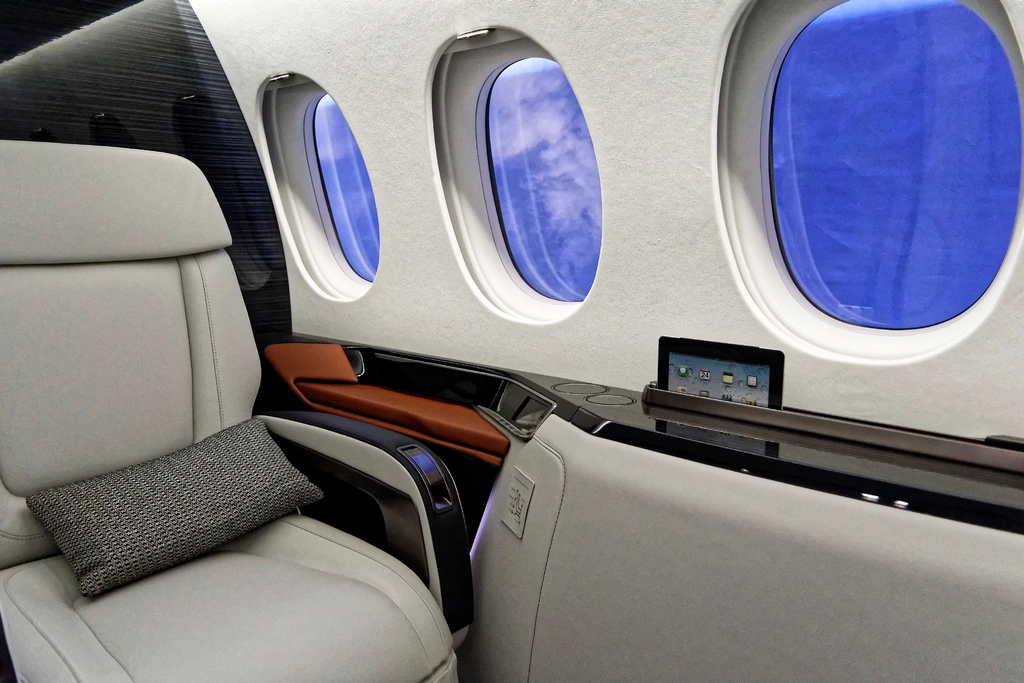
The windows themselves are among the largest in commercial aviation, measuring 10.7 inches wide by 18.4 inches high. They consist of three layers: a structural outer hull glass, an interior plastic dust cover, and a center electrochromatic panel. The center panel contains the gel that darkens when voltage is applied. While early versions could not achieve a full blackout, technology updates have since improved the speed and darkness level of the dimming function.
Other US carriers are also expanding their presence in the widebody market. United Airlines operates all three 787 variants, while Delta Air Lines recently placed a firm order for 30 787-10s. Alaska Airlines began receiving 787-9s in 2025 and is installing new lie-flat business class suites. Southwest Airlines is rumored to be considering the 787 for its first international long-haul flights, which would make it the only top-five US carrier without the aircraft if it proceeds without an order.
Source: Simple Flying
