


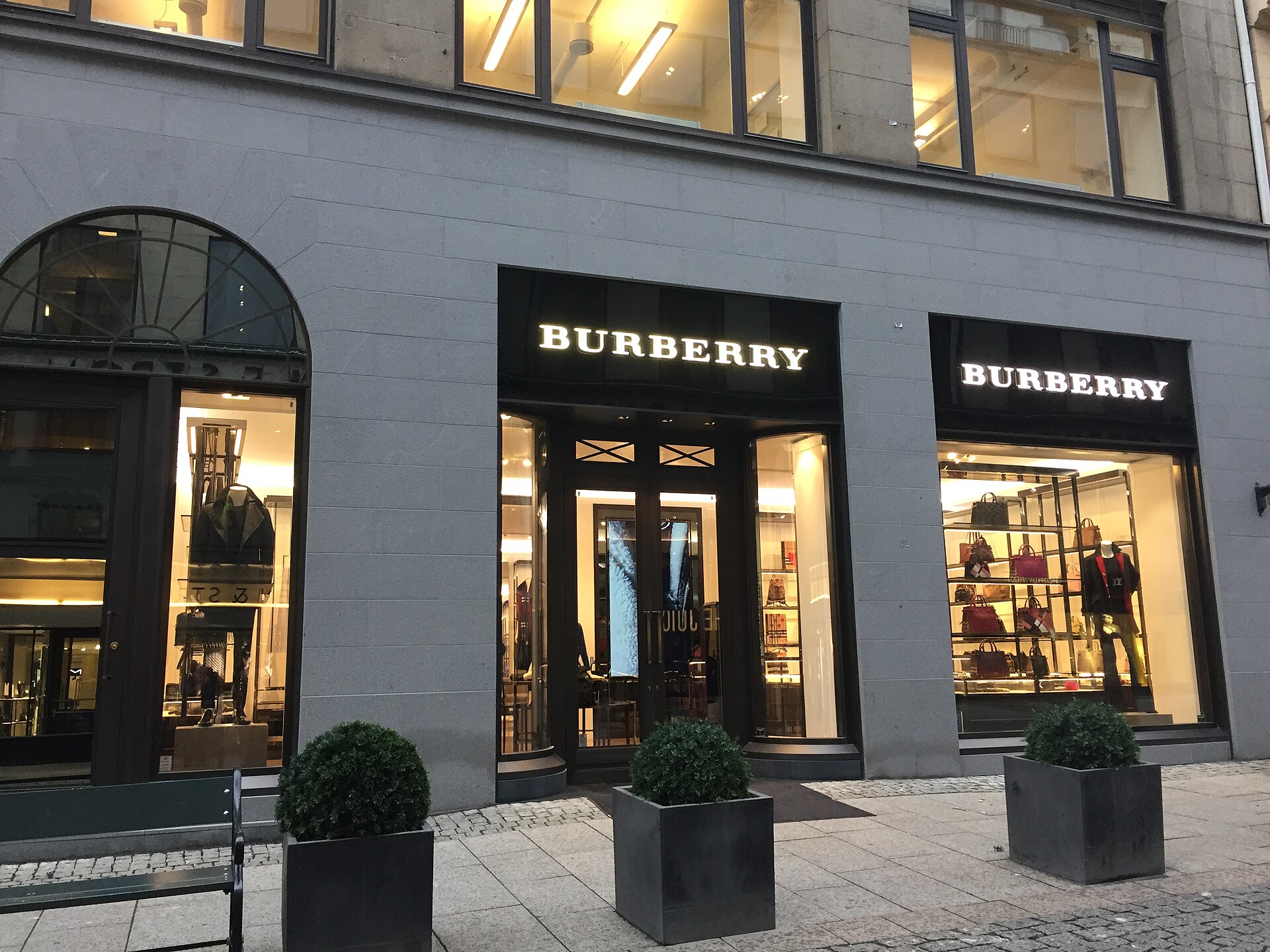
Burberry has returned to profitability after posting a £19m pre-tax profit for the six months ending September 26, a sharp reversal from the £48m loss recorded during the same period last year. Total sales climbed 6% to £1.1bn, outperforming a difficult global luxury sector.
Joshua Schulman, the chief executive, stated that the brand’s strategy is working. He attributed the growth to strong online and wholesale performance, particularly in China and the United States. Schulman noted that the brand has successfully navigated a challenging luxury market by focusing on its core products.
Strategic Pricing and Product Focus
The turnaround follows a two-year effort under the Burberry Forward strategy to return the brand to its historical position in the luxury market. Schulman described a “pyramid of pricing” approach that balances accessible items with high-end goods. This includes cotton-cashmere socks starting at £85 and scarves from £195, alongside top-tier leather coats and bags that can exceed £9,000.
Key products driving sales include lightweight jackets, tropical gaberdine raincoats, and the Cotswold range of leather bags featuring the brand’s signature check. Schulman said this mix resonates with customers who are experiencing fatigue with exorbitant pricing elsewhere in the industry.
“Our strategy of having great value for money is resonating strongly with Chinese customers,” Schulman said. He added that Burberry’s more democratic approach compared to some European peers has helped maintain universal appeal.
Regional Performance and Local Spending
Sales in China surged 15%, while the Americas saw a 14% increase. In contrast, sales in Europe and the Middle East fell 1%, partly due to the impact of the Iran war. Schulman highlighted a shift in consumer behavior where local spending is holding up even as global tourism declines.
While tourist spending has dropped, affecting discount outlets, flagship city center stores in locations like London continue to perform well. Schulman pointed to locally relevant marketing efforts, such as special products for China’s Valentine’s Day and the upcoming Lunar New Year, as key drivers of this local demand.
“It is no secret global tourism is down but the local customer has been spending in their respective regions,” Schulman said. He described this as a trend observed throughout the year.
Schulman acknowledged that the luxury business is cyclical. While he noted that nobody has a crystal ball regarding future customer spending habits, he expressed confidence that the current strategy positions the brand well for the next phase of the cycle.
Source: The Guardian
