


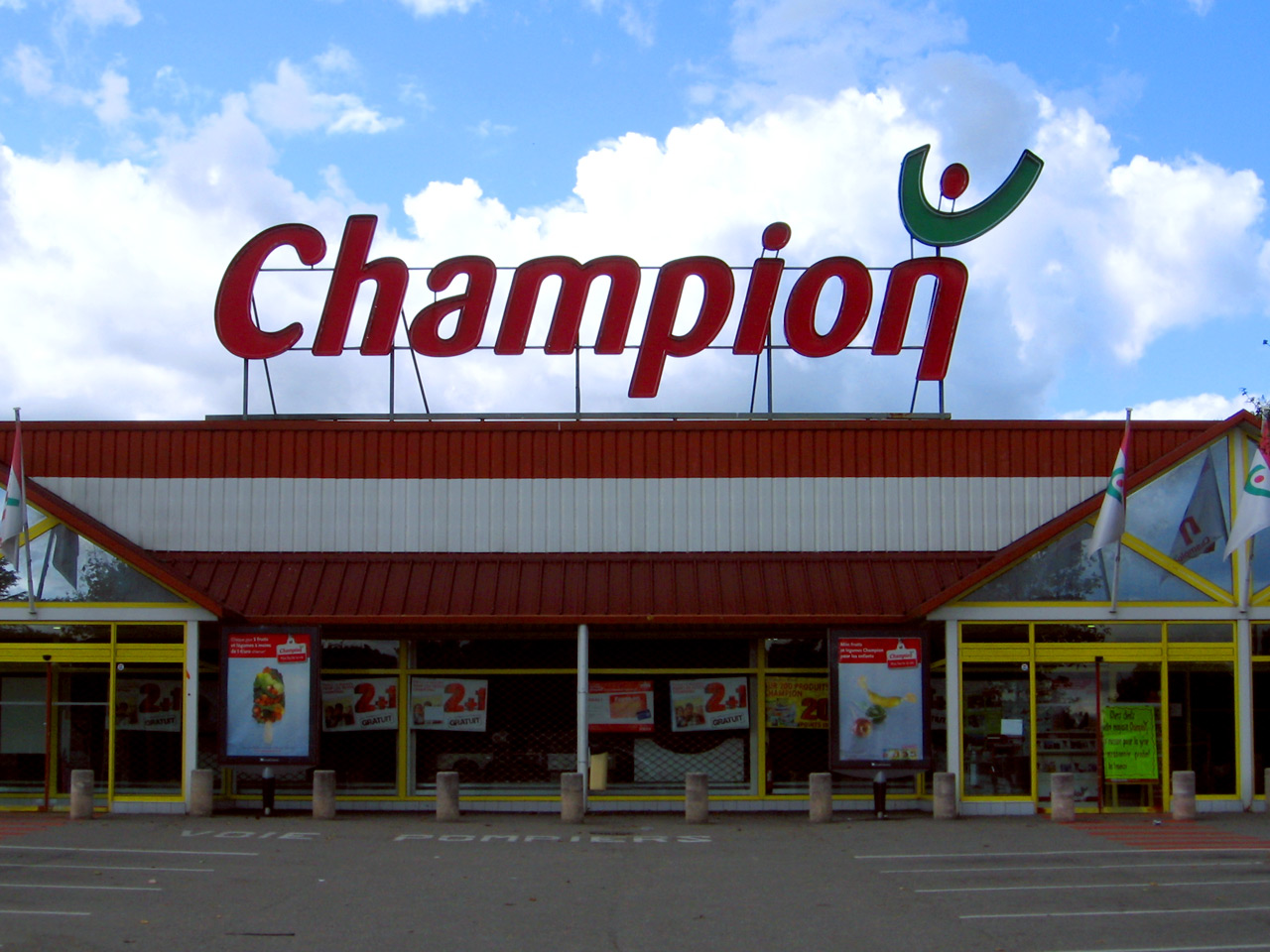
Hackers remotely overrode temperature controls in hundreds of French supermarkets last Sunday, causing food to spoil and triggering fires in some stores. The cyberattack pushed freezers and fridges to extreme heat levels, creating a massive waste crisis and raising alarms about the security of connected retail infrastructure.
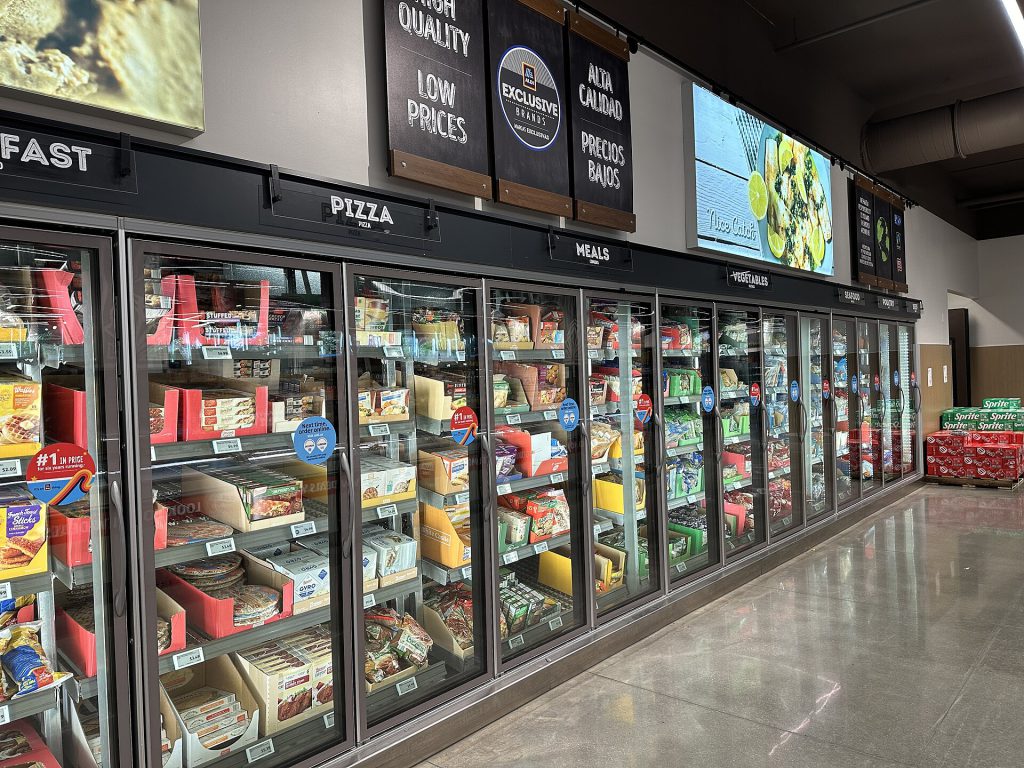
Shortly before midnight, digital thermostats controlling cold aisles across the country began to flicker. The attackers had hijacked the systems, raising temperatures from as low as -27C to well over 50C. Over the next several hours, the food inside the units defrosted and began to cook. Staff arriving early to restock shelves reported a blast of hot air when opening the doors. One supermarket in Normandy reported freezers pushed to 80C.
Widespread Damage and Fires
The scale of the incident became clear as reports emerged from multiple major chains. Up to 700 stores were affected, including locations operated by Intermarché, Coopérative U, Carrefour, Leclerc, and Monoprix. Dominique Schelcher, president of Coopérative U, confirmed that 80 of its 2,000 supermarkets were targeted. He described the event as unprecedented and extremely serious.
In some locations, the extreme heat caused equipment to fail catastrophically. Fires broke out in certain stores, triggering sprinkler systems and resulting in water damage. Workers at an Intermarché in Issy-les-Moulineaux described the scene as a catastrophe. They had to throw away all spoiled inventory and worked until nearly midnight on Monday to reorder and restock shelves.
Security Flaws and Potential Sabotage
Investigations indicate the hackers pirated controllers supplied by the Danish company Danfoss. Most supermarket cold aisles are connected to the internet for remote maintenance, which provided an entry point. Initial findings suggest the attackers disabled alarm systems or extended defrost programs to avoid detection. Danfoss stated that the affected units were running outdated firmware and had recommended updates or replacements for obsolete systems.
Experts suggest the attack may have been political sabotage. Gérôme Billois, a partner at cybersecurity firm Wavestone, noted that the attack could be the work of activists proving their skills or state actors aiming to destabilize the country. He pointed to Iran and Russia as known actors capable of such operations. The goal, he said, would be to instill fear and convey that the government is falling apart.
Cybersecurity specialist Marta Rybczyńska found that many of the targeted freezers were running default passwords. She noted that some units had not been supported by manufacturers for years, while newer models lacked firmware updates. This mirrors a similar incident in the US in August, where connected freezers at military commissaries went into unscheduled defrost cycles.
France’s Cybersecurity Record
The incident adds to France’s reputation as the most hacked country in Europe. According to Upguard, France has the highest volume of records exposed by hackers in the region. In the last three years, the health system, the jobseekers agency France Travail, and the economy ministry have all suffered breaches. The Paris public prosecutor’s office has opened an investigation.
Gérôme Billois criticized France for falling behind in cybersecurity, noting the country has not yet adopted the EU’s Cyber Resilience Act. This legislation would introduce mandatory security for internet-connected devices. Supermarket executives have shifted blame to unnamed refrigeration contractors, but Billois emphasized shared responsibility between retailers, contractors, and software providers.
No group has claimed responsibility for the attack. Thierry Cotillard, CEO of Intermarché, estimated losses could reach tens of millions of euros. He stated that these costs are unlikely to be covered by insurance. Detectives from the anti-cybercrime unit are working to identify the perpetrators, though experts warn this could take weeks or months due to the hackers’ ability to hide their tracks.
Source: The Guardian
