


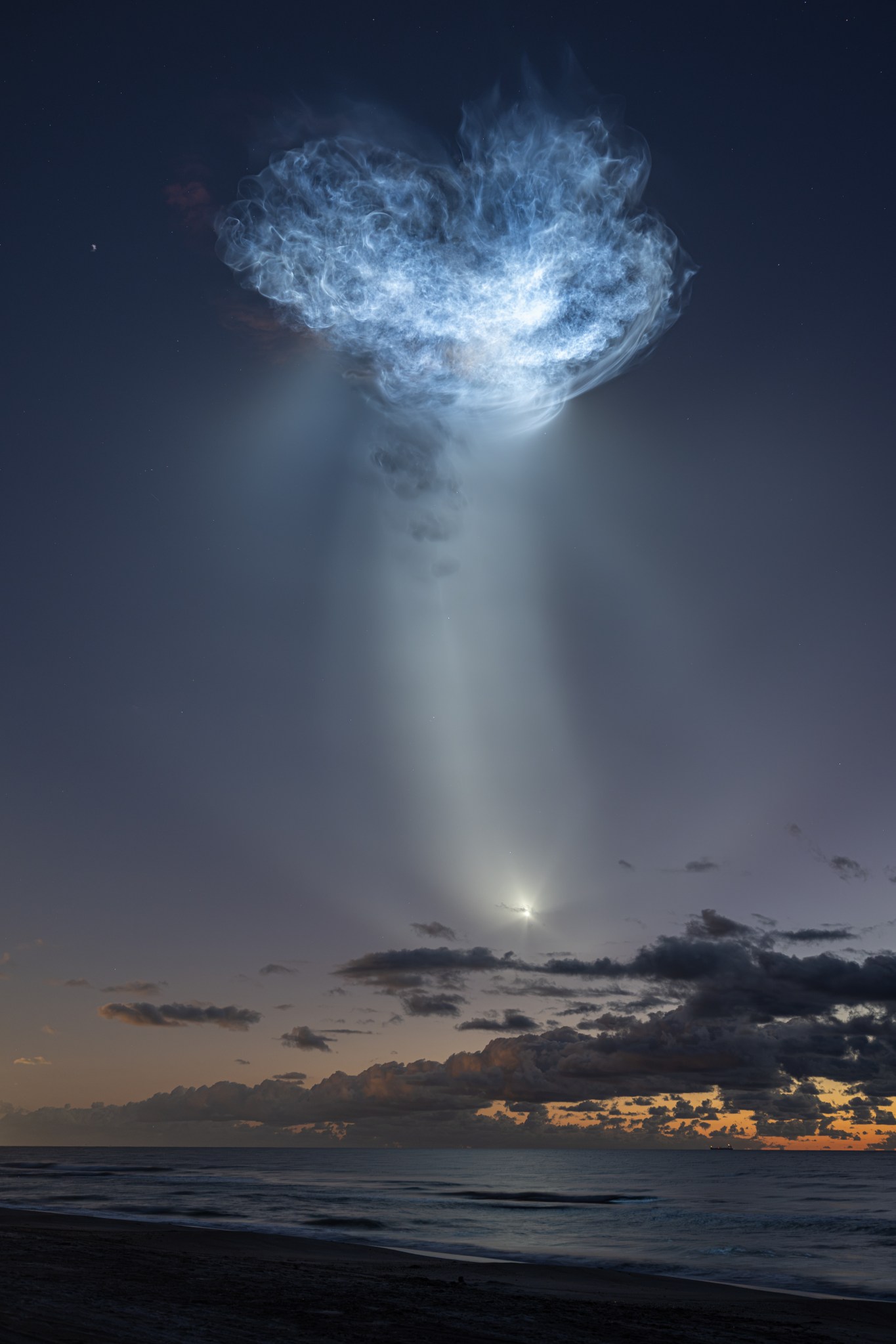
SpaceX launched its 35th Commercial Resupply Services mission for NASA on Oct. 13, 2026, sending a Dragon spacecraft to the International Space Station. The Falcon 9 rocket lifted off at 6:33 a.m. EDT from Space Launch Complex 40 at Cape Canaveral Space Force Station.
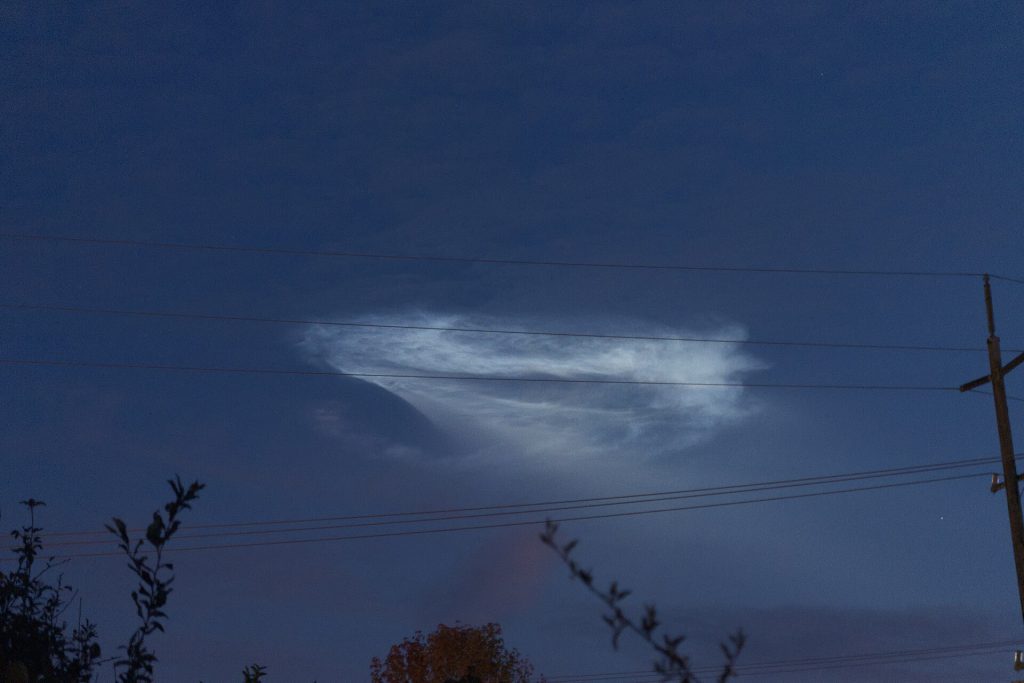
The launch produced a striking visual phenomenon known as a “jellyfish.” Sunlight illuminated the exhaust plumes of the rocket near sunrise, creating a glowing shape that resembled a jellyfish. This effect occurs when the rocket’s exhaust becomes brightly lit against the dark sky. The plumes were visible across the eastern United States.
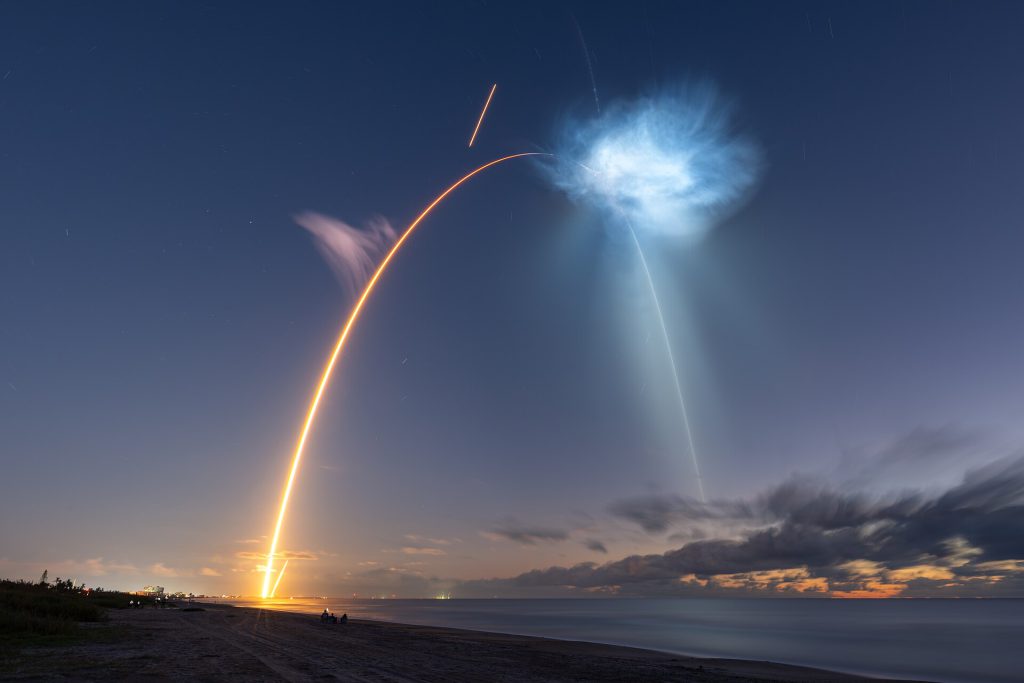
SpaceX CRS-35 Mission Details
The uncrewed Dragon spacecraft carried scientific investigations, supplies, and equipment to the orbiting laboratory. This mission marks the 35th time SpaceX has delivered cargo to the station under its contract with NASA. The launch was part of an ongoing effort to support research and operations aboard the International Space Station.
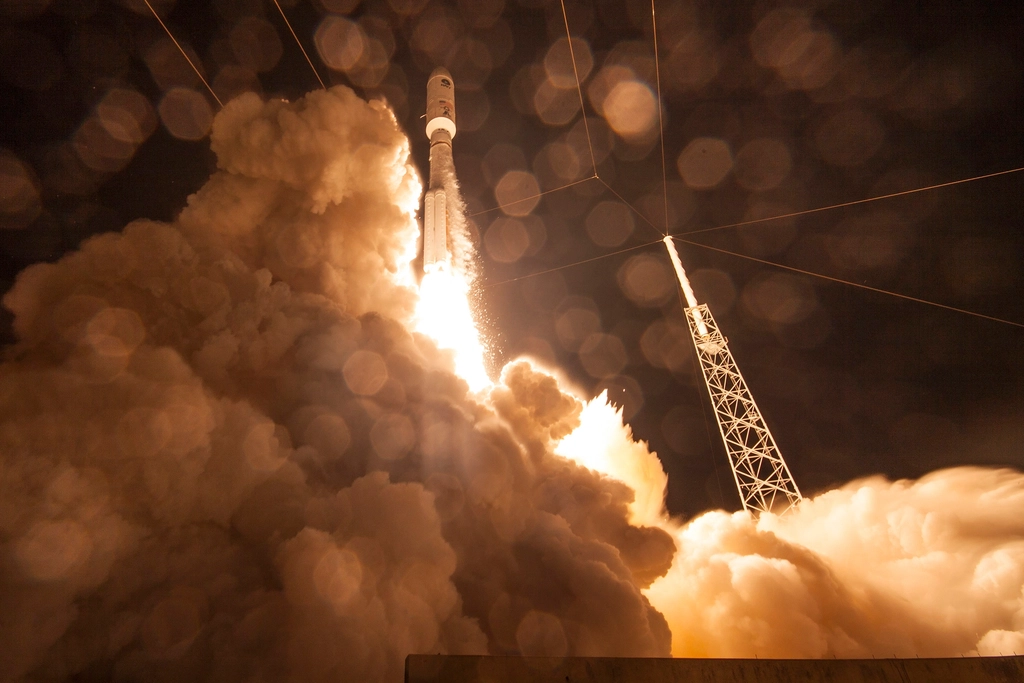
The rocket’s trajectory and the timing of the launch allowed for widespread visibility of the exhaust trail. Observers in the eastern part of the country could see the illuminated plume as the rocket climbed into orbit. The visual display highlighted the power of the Falcon 9 vehicle as it carried its payload toward space.
Dragon Spacecraft Rendezvous
The Dragon spacecraft is scheduled to rendezvous with and dock to the International Space Station on Oct. 15. Coverage of the docking process begins at 9:15 a.m. EDT. The spacecraft will approach the station and attach to one of its docking ports to deliver the cargo.
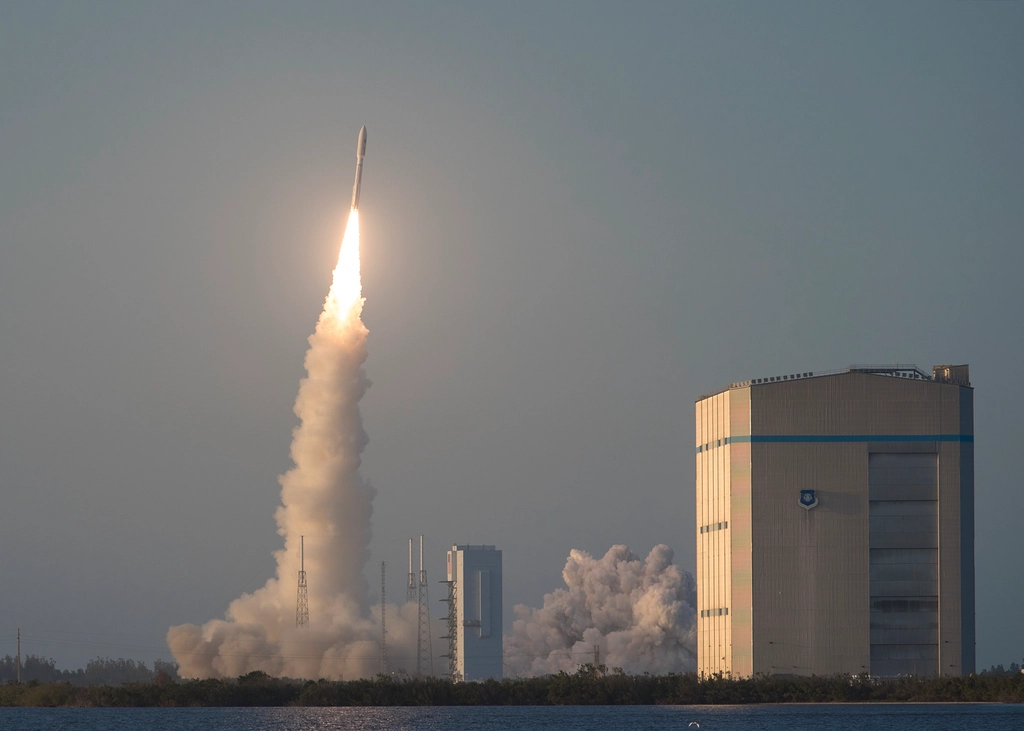
This mission continues the regular supply chain between Earth and the space station. The cargo includes items needed for daily operations and scientific experiments. The successful launch and subsequent docking are critical for maintaining the station’s research capabilities.
The CRS-35 mission adds to the growing list of SpaceX launches supporting NASA’s presence in low Earth orbit. The company has established a reliable schedule for these resupply flights, ensuring the station remains stocked with necessary materials.
Source: NASA
