


Britain is filled with locations that evoke a sense of unease, making them ideal destinations for those seeking a thrill during the Halloween season. From derelict structures to submerged villages, these sites offer a mix of history, mystery, and natural eeriness.
The Racton Monument and Pontsticill Reservoir
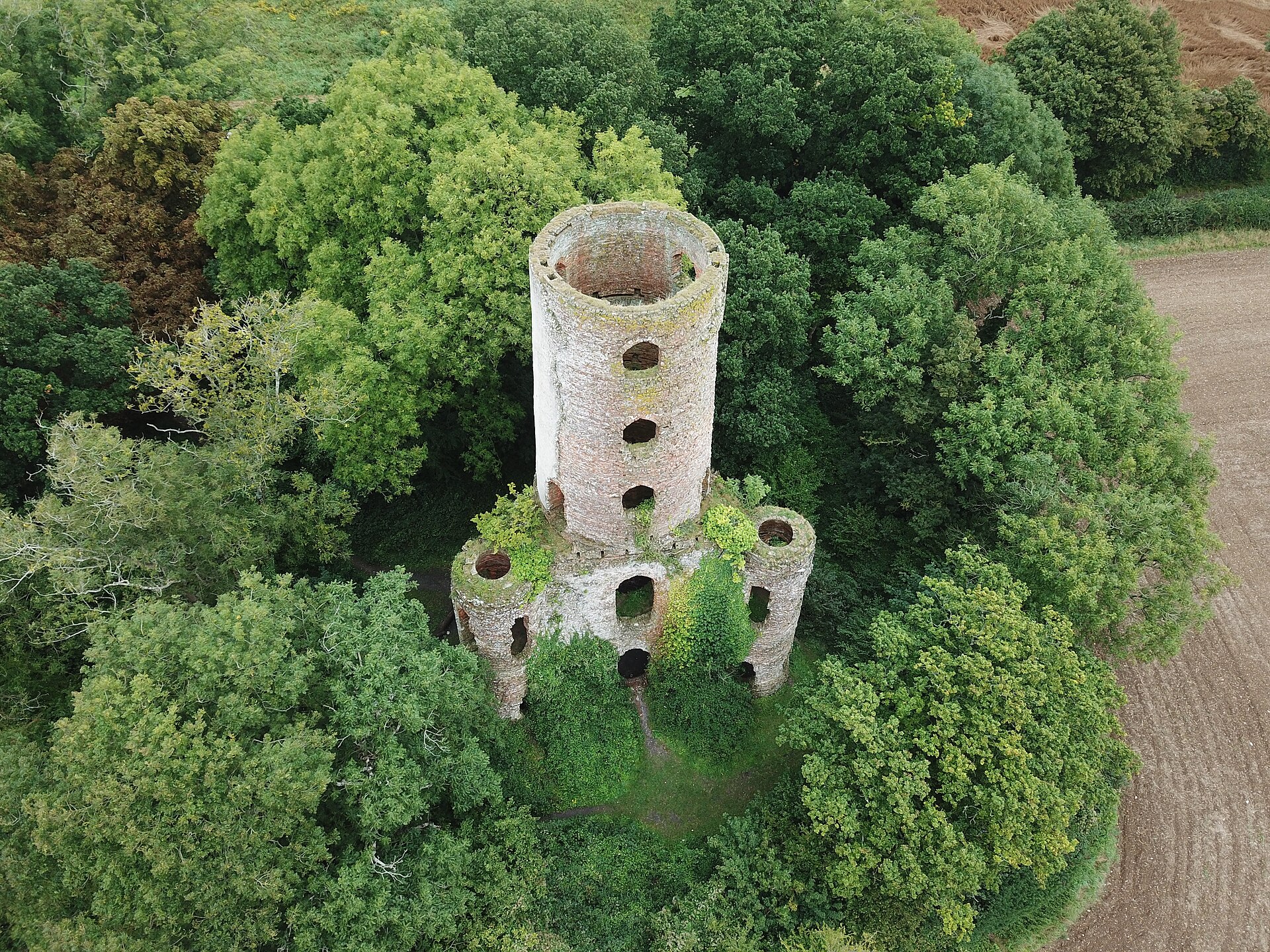
Outside Chichester in Sussex stands the Racton Monument, a 24-metre tall redbrick and flint folly. Commissioned by George Montagu Dunk, the second Earl of Halifax, in the 18th century, its original purpose remains a mystery. Some believe it was a summerhouse, while others think it served as a viewing point for ships entering the Solent. The site is now roofless and unsafe to enter, but visitors can view it from nearby footpaths. Local legends speak of a ghostly woman and sudden bursts of manic laughter, leading to numerous paranormal investigations.
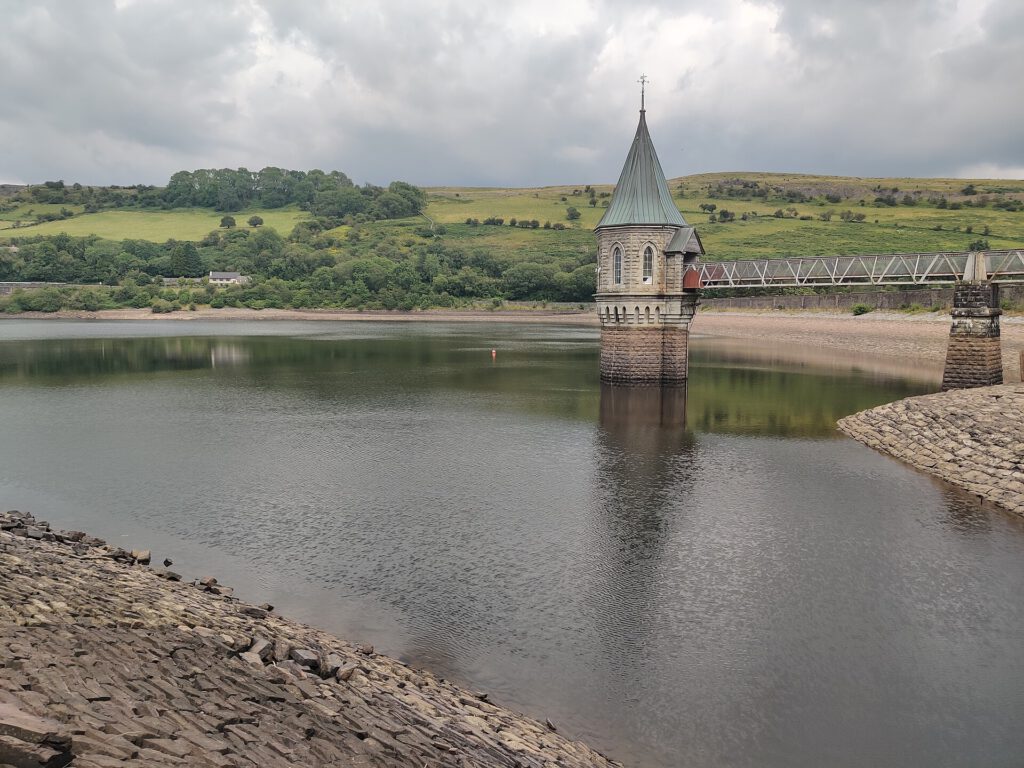
In south Wales, the Pontsticill reservoir in the Bannau Brycheiniog (Brecon Beacons) national park offers a different kind of chill. Completed in 1927, it holds up to 15.5 billion litres of water. Its bell-mouth spillway resembles a giant plughole or the event horizon of a black hole. During droughts, the remains of a submerged village, including a 15th-century church, can resurface. The reservoir gained cinematic fame as a setting in Richard Ayoade’s 2010 film, Submarine.
Chetney Marshes and Kelvedon Hatch Bunker
Chetney Marshes in north Kent is a marshy outpost with place names like Deadman’s Island and Slaughterhouse Point. The area is home to decaying barges and boats that are difficult to distinguish from the marsh itself. While Historic England identifies them as former Thames barges, older maps suggest they may have been Victorian prisoner transport ships. The site offers an atmospheric, otherworldly walk.
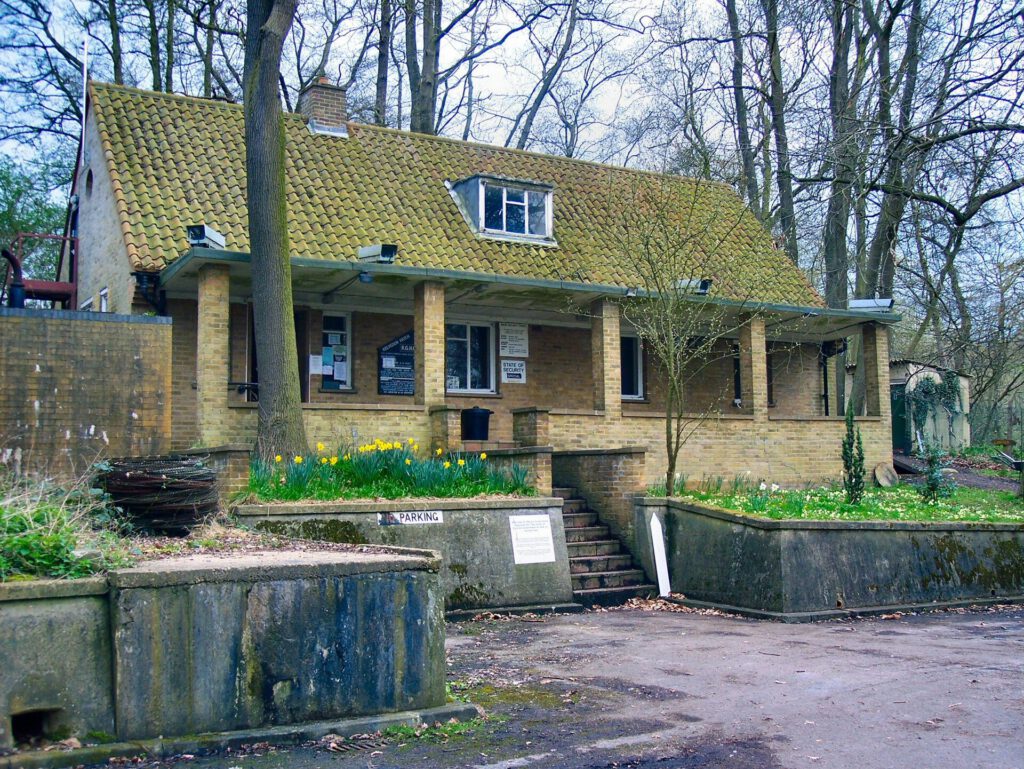
For a taste of Cold War history, the Kelvedon Hatch bunker in Essex is a must-visit. Built in the early 1950s, it was designed to house up to 600 people, including the prime minister, in the event of a nuclear attack. The surface structure looks like an ordinary bungalow, but it leads to a three-storey underground shelter the size of 25 homes. It now operates as one of the world’s largest Cold War museums.
Singing Ringing Tree and Hodge Close Quarry
On a Pennine hill overlooking Burnley, the Singing Ringing Tree is a sound sculpture by architects Mike Tonkin and Anna Liu. Standing three metres tall, it is made of galvanised steel pipes tuned to various pitches. On windy days, the pipes create a discordant harmonic sound. The artwork is part of a series called Panopticons, but unlike the original concept of a prison, it is designed to be seen by many.
In the Tilberthwaite valley between Coniston and Langdale, Hodge Close is an abandoned slate quarry on National Trust land. Abandoned in the 1960s, the site features cave tunnel openings and a dark pool that resemble a skull. Fans of the Netflix series The Witcher may recognise the location, though it is harder to spot in person than on screen. Industrial remains litter the site, giving it a post-civilisation feel.

Crossbones Graveyard and Cateran Hole
Just south of the River Thames, near Shakespeare’s Globe theatre, lies Crossbones graveyard. Once outside the city’s legal boundaries, it was a pauper’s graveyard for medieval sex workers and others not suitable for Christian burial. An estimated 15,000 people are buried there. It is now a garden of remembrance, open to the public for guided walks and talks.
On Bewick Moor, about four miles north of Eglingham, is Cateran Hole. Used by bandits to hide smuggled goods, this 35-metre-long underground chamber is difficult to find. The steps leading down are notoriously hard to locate, and there are no safety barriers or lighting. Visitors must be cautious as they walk into the increasing darkness.
Quorum Stone Faces and Normanton Church
In the Galloway Hills, near Newton Stewart, a drystone wall features a series of stone faces carved by artist Matt Baker in 1997. Known as Quorum, the heads have become part of the landscape, with lichen forming new eyebrows. The artwork is located near The Eye, a 10-metre tall cone sculpture on the banks of Black Loch.
St Matthew’s church in Normanton, Rutland, stands on a promontory in Rutland Water. Built in the 1820s, it was scheduled for demolition when the reservoir was created in the 1970s. A public campaign saved it, and it is now open on scheduled days. On misty mornings, the church appears to rise from the water, creating a striking visual.
These locations, detailed in Dave Hamilton’s Weird Guide and Wild Ruins, provide a range of spooky experiences for visitors across Britain.
Source: The Guardian
