


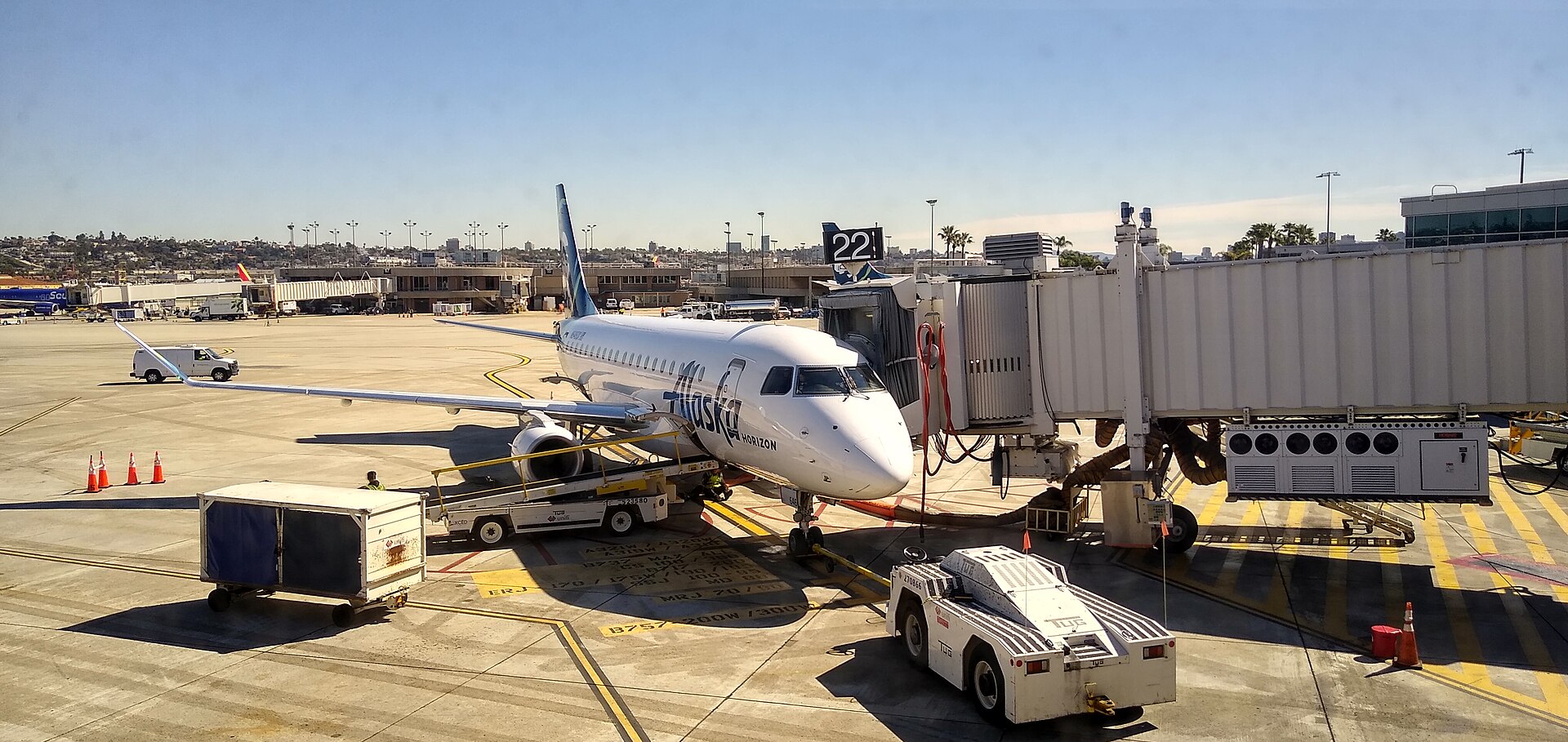
Alaska Airlines is redirecting its expansion efforts toward Portland and San Diego as its primary hub at Seattle-Tacoma International Airport approaches physical limits. Chief Commercial Officer Andrew Harrison stated that the carrier intends to route more connecting passengers through its Oregon hub while reserving Seattle slots for local travelers. This strategic shift comes as the airline navigates rising fuel costs and intense competition from Delta Air Lines on the West Coast.
Portland and San Diego Expansion Plans
Harrison outlined the carrier’s approach during an investor day presentation, noting that Seattle-Tacoma is expected to reach full capacity by 2032. The airport is currently undergoing a multi-billion-dollar renovation project that includes expanding Concourse C, which houses a significant portion of Alaska’s operations. Harrison identified the primary method for managing this constraint as shifting connecting traffic to Portland. He described this move as the biggest lever available to the airline for maintaining network efficiency without overburdening the Seattle facility.
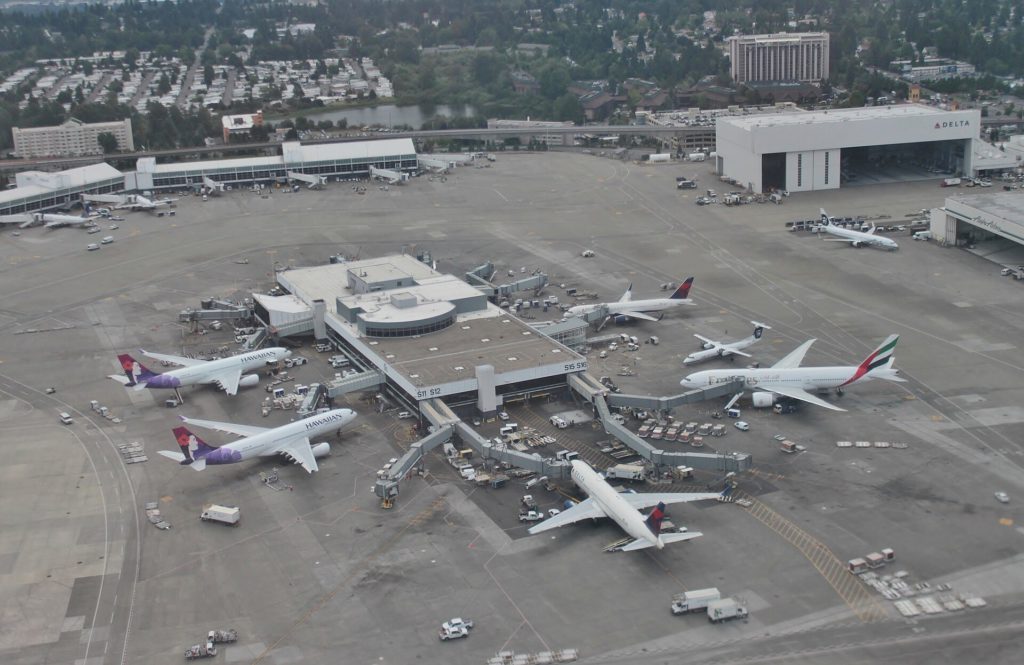
The carrier also sees significant potential in San Diego. Alongside Portland, San Diego serves as a key growth point for Alaska as it seeks to reduce its reliance on the congested Seattle market. The airline aims to balance local demand in Seattle with the needs of passengers transferring between flights, a task that becomes increasingly difficult as slot availability shrinks.
Fleet Upgrades and International Targets
Alaska Airlines is simultaneously upgrading its fleet to improve profitability and passenger experience. The carrier is introducing the Boeing 737 Max 10, which features 188 seats and lie-flat business class seats. This aircraft will replace older models on select routes, allowing the airline to offer premium services without increasing the total number of flights. Harrison also mentioned the Boeing 737 Max 7, which carries 124 passengers, as part of the strategy to optimize seat density and operational efficiency.
These domestic adjustments support a broader international strategy. Since acquiring Hawaiian Airlines in 2024, Alaska has pursued a full-service global approach. The airline has raised its target for international destinations to 15 by 2030, up from an earlier goal of 12. This expansion includes a new dedicated premium economy cabin and an increase in business class offerings across the fleet. Harrison indicated that Asia will be a major focus for this growth, building on existing routes to Seoul and Tokyo.
The push into international markets faces headwinds from high fuel prices, which CEO Ben Minicucci stated wiped out profits for the first half of 2026. The airline has suspended its 2026 financial guidance as a result. Despite these challenges, Harrison remains confident in the carrier’s ability to dominate the West Coast through premium investments. He noted that Paine Field, a facility in Everett, Washington, offers additional opportunities for operational flexibility as the airline continues to refine its network.
Source: Skift
