


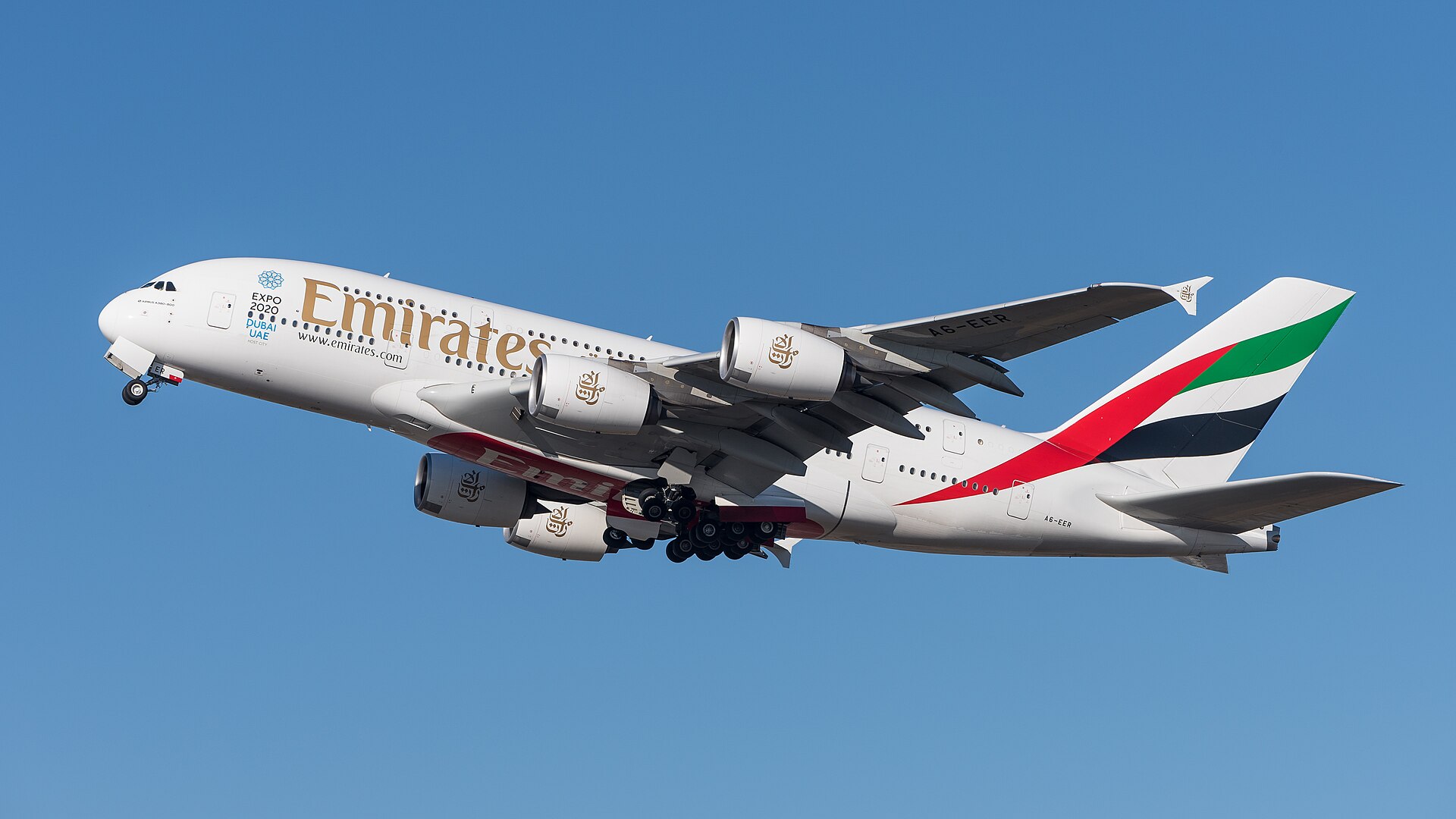
Emirates has removed the Airbus A380 from nine major destinations that previously featured regular or semi-regular services. The Dubai-based carrier is withdrawing the double-decker aircraft from these routes over several years, reflecting changing commercial requirements and network adjustments. The changes are part of a broader strategy to concentrate A380 capacity on high-demand international hubs while undertaking a $5 billion fleet modernization program.
Discontinued A380 Destinations
Analysis of historical schedules identifies nine destinations that previously received meaningful A380 operations from Dubai International Airport (DXB) but are absent from the airline’s planned network through July 2027. Kuwait International Airport (KWI) leads the list of discontinued routes, accounting for 1,535 departures. The service to Kuwait now operates with Boeing 777-300ERs and Airbus A350s.
Hamburg Airport (HAM) ranks second with fewer than half the departures of the Kuwait route. The airline also withdrew A380 service from Muscat International Airport (MCT), which had briefly held the title of the world’s shortest scheduled A380 route. The withdrawal from Doha Hamad International Airport (DOH) followed the 2017 diplomatic crisis between the UAE and Qatar, a suspension that remains in effect.
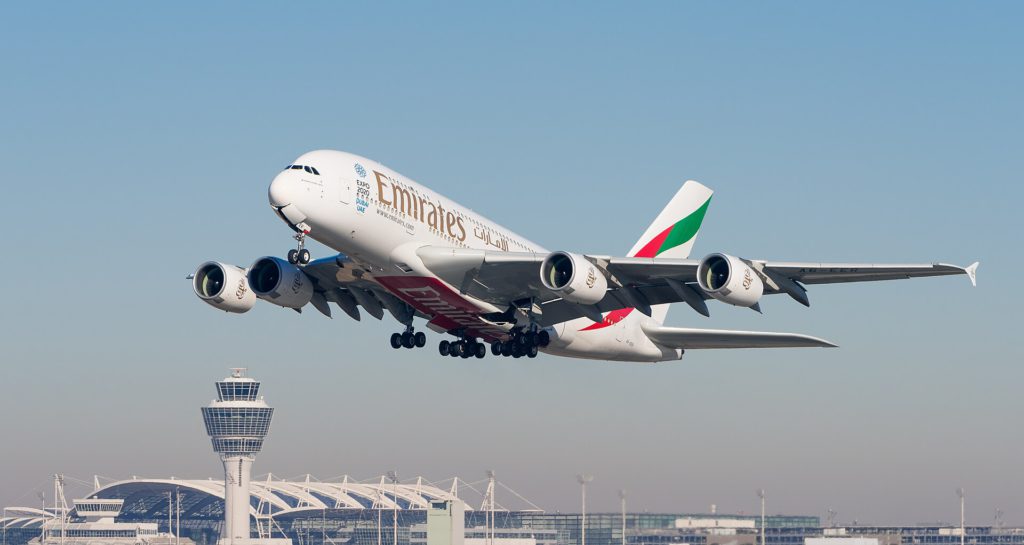
For American travelers, the removal of the A380 from Dallas/Fort Worth International Airport (DFW) and Boston Logan International Airport (BOS) is particularly notable. Dallas welcomed the aircraft in October 2014, while Boston received it during peak periods starting in June 2019. Both cities now operate with smaller aircraft, leaving only five US cities with Emirates A380 service.
Fleet Modernization and Capacity Shifts
Emirates is investing $5 billion to upgrade 219 aircraft, including 110 A380s and 109 Boeing 777s. By July, the airline had completed 47 A380 refurbishments, introducing Premium Economy, redesigned cabins, and upgraded entertainment systems. Each aircraft undergoing refurbishment leaves revenue service for approximately a month, creating temporary fleet-planning constraints.
The airline is also reducing capacity on its highest-density A380s. Fifteen two-class aircraft are being converted from 615 seats to 569 seats, adding 56 Premium Economy seats while expanding Business Class. This shift has reduced the average number of seats per scheduled A380 departure from approximately 518 in 2025 to 506 in 2026.
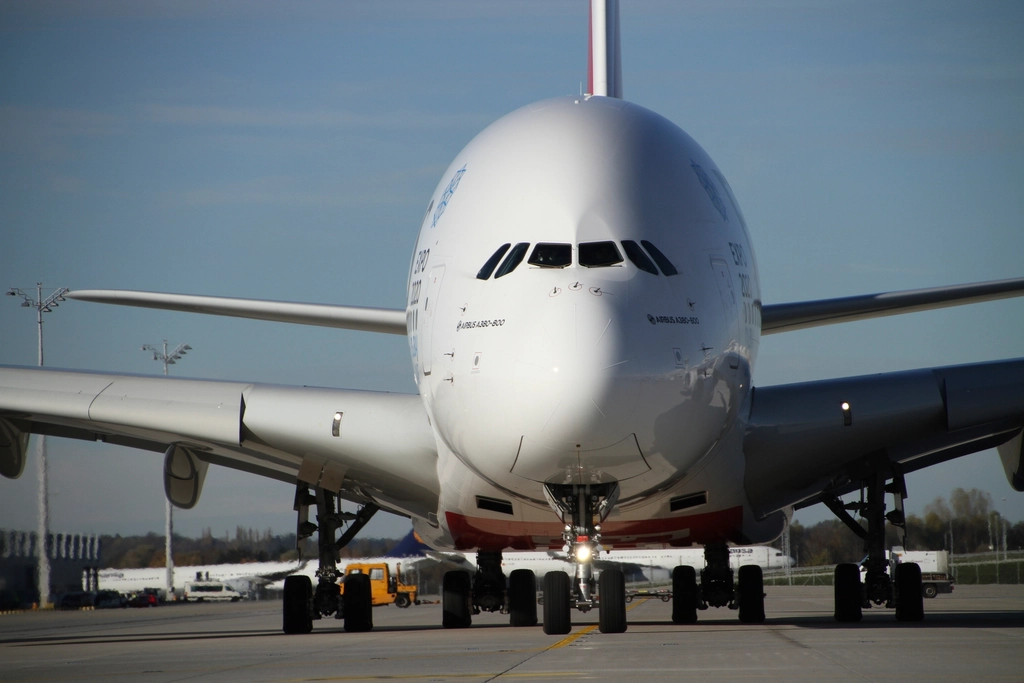
Scheduled A380 departures from Dubai are falling substantially in 2026. Current full-year schedules indicate 24,300 departures, a 15.4% reduction compared with last year. Available seats have declined even faster, dropping 17.4% to 12.29 million. Regional conflict has contributed to the disruption, primarily in the first half of the year, with Emirates temporarily replacing A380s with smaller aircraft or reducing frequencies across multiple destinations.
Despite these reductions, Emirates continues to deploy the A380 on high-demand routes. London Heathrow Airport (LHR) dominates the planned schedule with 1,638 departures through July 2027, equivalent to six daily flights. The airline uses the large aircraft to maximize passenger numbers without securing additional runway slots. Other major hubs like Bangkok, Paris, New York, Sydney, Hong Kong, and Singapore also retain significant A380 capacity.
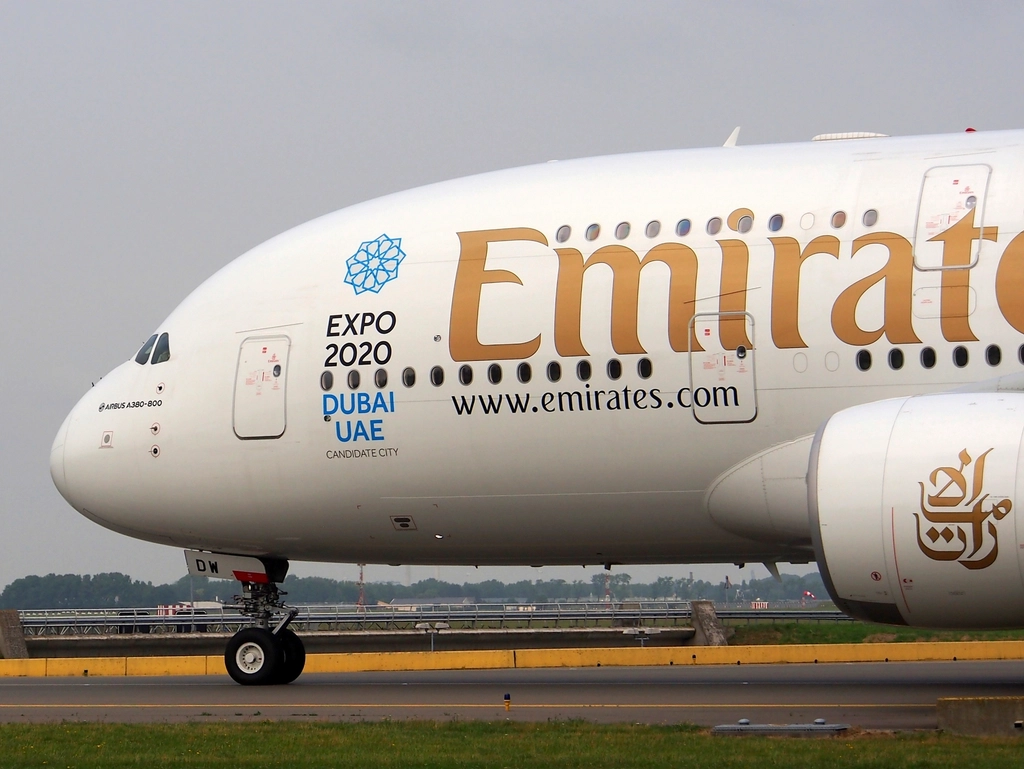
The A380 remains important for connecting traffic and religious travel. Cairo International Airport (CAI) and Jeddah Airport (JED) demonstrate that the aircraft is not exclusively for long-haul routes. Jeddah attracts considerable religious travel associated with Hajj and Umrah, while Cairo benefits from substantial business and leisure demand. These markets allow Emirates to deploy high-capacity aircraft on comparatively short sectors where passenger volume justifies the size of the plane.
Emirates is scheduled to operate its A380s to four additional destinations during July compared to June. The airline’s commitment to the type for years to come is evident in its ongoing modernization efforts, even as it accepts temporary disruption to improve long-term competitiveness.
Source: Simple Flying
