



European Trade Commissioner Maros Sefcovic arrived in Beijing on Thursday to begin high-stakes negotiations with Chinese officials, aiming to address a widening trade imbalance that has become a central point of friction between the two economic powers. The discussions come as the European Union faces a daily trade deficit with China exceeding €1 billion, a figure that has prompted calls for more assertive policy measures from within the bloc.
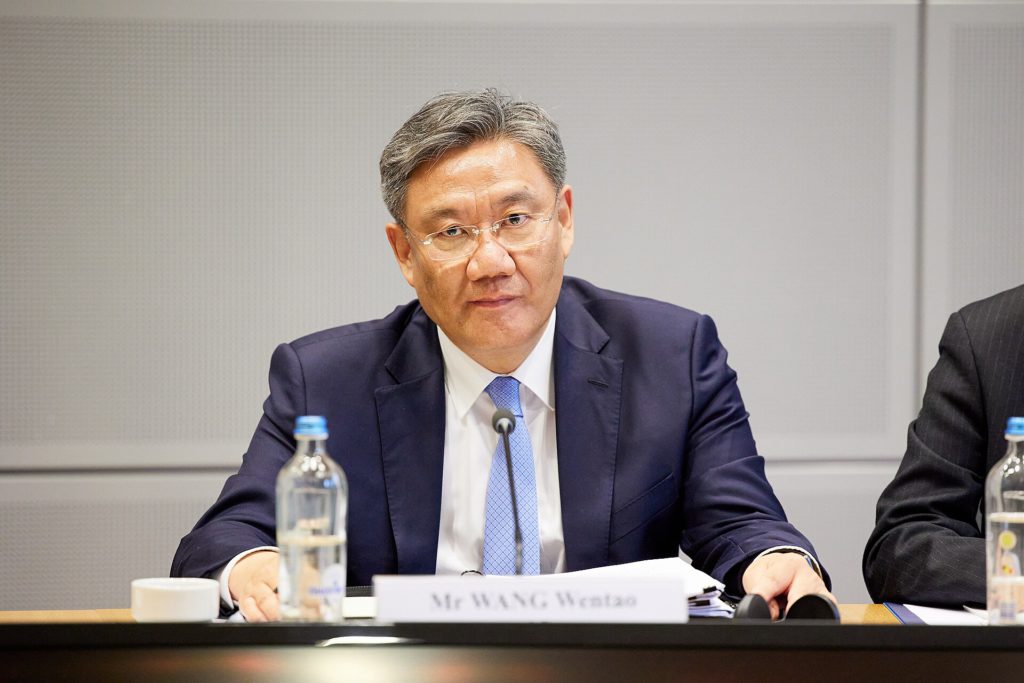
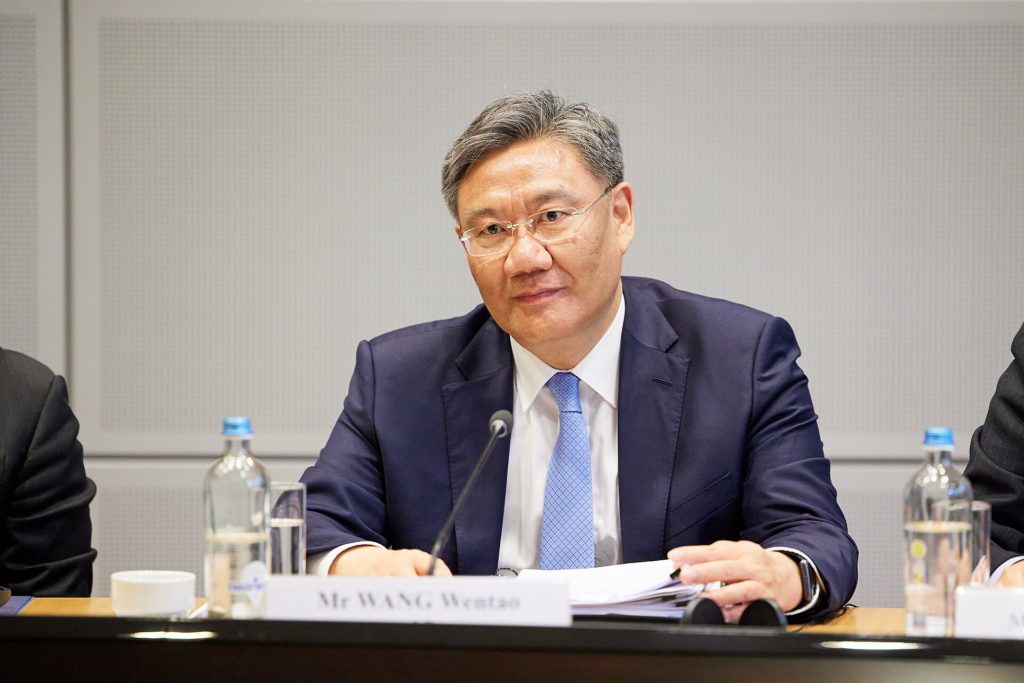
Sefcovic is scheduled to meet with Chinese Commerce Minister Wang Wentao over two days. The agenda focuses heavily on the structural trade imbalance and Beijing’s recent restrictions on the export of rare earths and other critical minerals. These minerals are essential for the production of electric vehicles, renewable energy technologies, and advanced electronics, making the export curbs a significant concern for European manufacturers.
Hybrid Car Imports and Export Curbs
A key sticking point in the negotiations involves the surge of Chinese hybrid vehicles in the European market. According to reports from the Financial Times, China has rejected a European Union request for voluntary limits on these exports. The EU had hoped to secure a mutual agreement to cap the flow of Chinese hybrid cars, but Beijing has declined to participate in such voluntary measures.
Instead, European diplomats are now exploring the possibility of implementing a unilateral cap on hybrid imports from China. This shift in strategy reflects the EU’s growing frustration with what it perceives as unfair competitive advantages held by Chinese automakers. The European Commission is seeking a mechanism to protect its domestic auto industry while avoiding a full-scale trade war.
Political Pressure and New Trade Instruments
The talks are taking place against a backdrop of intensifying political pressure within the EU. A majority of lawmakers recently passed a non-binding resolution calling for a tougher trade stance toward Beijing. This sentiment was reinforced by French President Emmanuel Macron and German Chancellor Friedrich Merz, who urged the bloc to prepare a “credible instrument” capable of rapid retaliation against economic aggression.
This proposed instrument would not target any specific country but would grant the European Commission the authority to respond to trade distortions within days. German officials have compared the potential tool to the Section 301 tariffs imposed by the United States or China’s own restrictions on critical minerals. The measure is expected to be discussed at an EU leaders’ summit next week in Brussels.
Beijing has already signaled its opposition to such moves. The Chinese commerce ministry warned that China would offer a “resolute response” to safeguard its industries if the EU proceeds with restrictions. In a statement, the ministry urged Paris and Berlin to avoid “protectionist” measures, arguing that they would ultimately harm the economies of France and Germany.
European Commission President Ursula von der Leyen has previously stated that the trade imbalance has reached a tipping point. She emphasized that Europe would use every available tool to rebalance the relationship with China. Sefcovic has indicated that he aims to secure tangible results by October, along with a commitment that can be presented to EU leaders.

The negotiations also occur as G20 finance leaders, excluding China, have agreed to act against “non-market” distortions that exacerbate global imbalances. Beijing argues that discussions over economic imbalances and overcapacity are often used as a pretext for protectionism. As the talks proceed, the outcome will likely influence the direction of EU trade policy for years to come, particularly as the bloc grapples with internal economic challenges and external geopolitical pressures.
Source: Al Jazeera
