


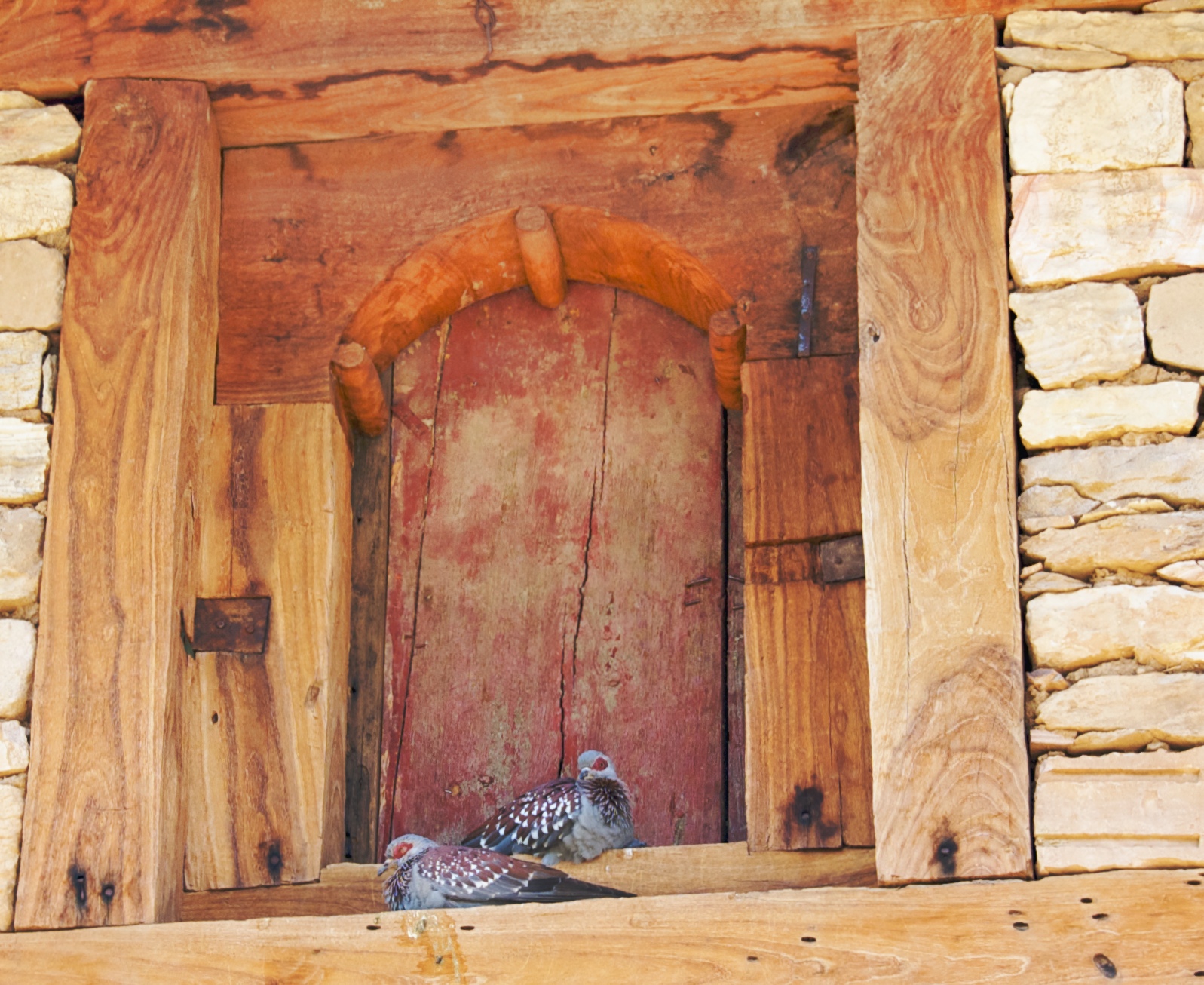
A young girl in Somerset spent her spring holidays trapped in a psychological battle with a single pigeon. What began as a charming encounter with a bird on a windowsill quickly devolved into a weeks-long ordeal that darkened her home and altered her daily routine.
The Toast Offering
The incident occurred shortly after dawn during the school break. The eleven-year-old was awake early, eating toast and watching television in the living room of a top-floor house in a quiet village. Pigeons are not common in this part of Somerset, so sightings were rare and usually appreciated. The view from the window was mostly sky, making any bird visit a notable event.
A pigeon landed on the exterior windowsill. It pressed its body against the glass, displaying two dark wing bars and a navy-tipped tail. The child was immediately drawn to the bird. She paused her television and slowly opened the sash window. The pigeon did not move. Holding a piece of toast, she broke off a corner and tossed it onto the sill. The bird picked it up with its beak. She named the bird Percy and spoke to it.
The next morning, Percy returned before breakfast. The child opened the window and offered more toast. This time, the bird hopped from the outside sill to the inside one. Eye contact was maintained for a duration that felt longer than normal. Suddenly, the child heard her mother approaching in the corridor. She tried to shoo the bird away, but Percy dodged her and hopped onto a log basket. After flapping around the room for a few seconds, he flew back outside.
The Unblinking Gaze
As the child turned back to the room, she saw Percy still there. He was holding the crust but not eating it. He was looking directly at her. She realized she had made a mistake. The bird was not just visiting; he was watching.
The following morning, Percy appeared again. The child did not open the window. She sat with her back to him, but she could see his outline reflected on the television screen. He was solid and motionless. He pecked at the glass before eventually flying off. He returned the next day. And the day after that.
After a few days, the child stopped entering the living room. However, the bird kept coming. For the rest of the week, her mind drifted toward the pigeon. Small tasks became impossible. Conversations lost their thread as thoughts returned to Percy. She decided she had to confront the situation. She walked slowly down the landing, passing the bathroom and her sister’s bedroom, until she reached the living room doorway.
She got down on her knees and peered around the door frame. Her logic was that if she was low enough, the bird would not see her. She was wrong. Percy was still there, still looking at her.
A Darkened Home
Two weeks later, the child and her sister had upended their lives. They stopped watching television. They drew the curtains and closed the shutters. They commando-crawled into the kitchen to remain unseen. Their flat became dark and tomb-like. The spring holidays, usually a time for relaxation, were defined by fear and avoidance.
It was only as Easter passed and they began preparing to return to school that they realized the siege might be over. Percy was gone. The family returned to morning television and toast. The incident left a lasting impression. Several years later, when another pigeon landed on a windowsill, the child shut her eyes and waited for it to fly away.
Source: The Guardian
